When a Malaysian field rep walks into a partner's office with a clipboard and seven forms, three things happen the manager never sees. The forms fill imperfectly because the rep is rushed.
The data lands in the office three days later because the rep is back in territory. And the version everyone references is the one nobody can find at quarter-end.
Digital document tracking removes all three by design. The form gets captured at the visit, the data syncs to the cloud platform in seconds, and the audit trail builds itself for every record the rep touches.
Table of Contents
Why Field Sales Carries Paper at All
Paper persists in field sales for a simple reason: every transaction with a partner generates a record someone has to keep.
Attendance, visit reports, orders, stock counts, claims, leave applications, performance reviews. A rep handles ten or more document types in a week. Until the SFA platform absorbs each one, paper is the only neutral handoff between the field and the office.
Ten Documents That Belong in the App
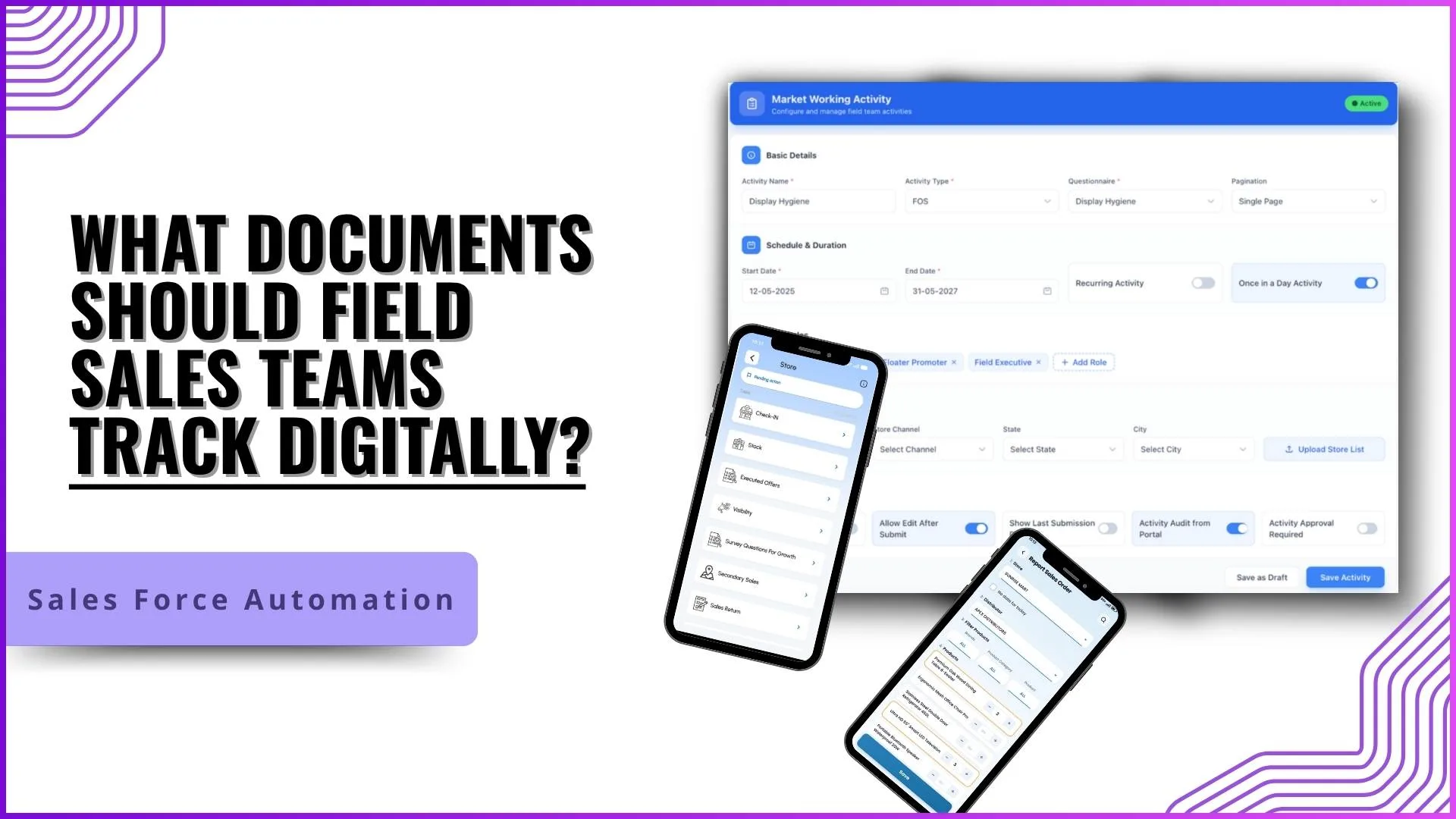
Ten document categories cover the bulk of what a Malaysian field sales team carries:
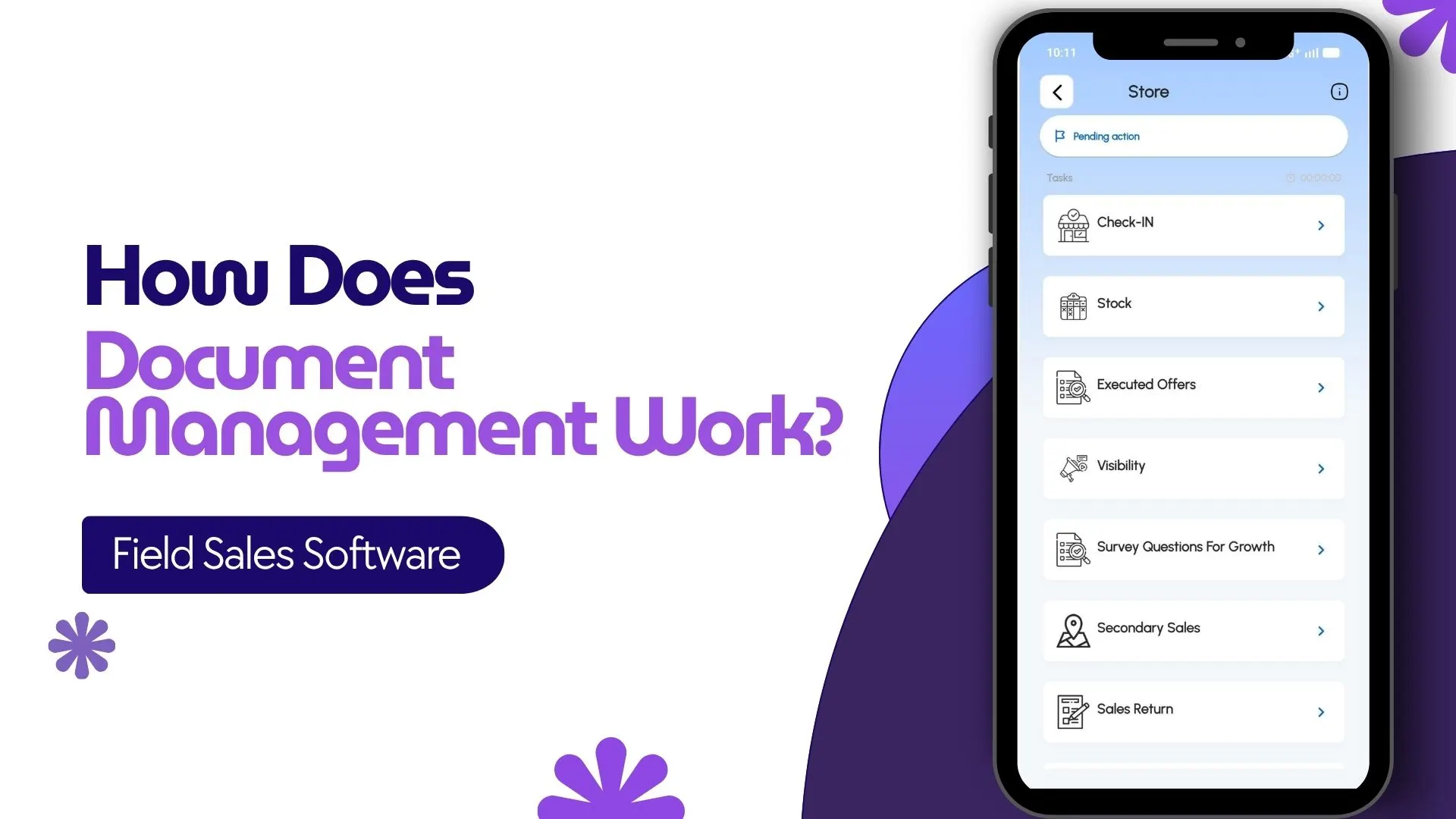
- Attendance Records. Check-in, check-out, and inter-visit movement, all stamped with geo-location and time.
- Market Visit Reports. Visit objective, customer interaction notes, outcome, and next-step capture inside the visit screen.
- Sales Orders and Order Sheets. Order capture at the partner's counter, with SKU validation against the live stock position.
- Stock and Inventory Records. Counts during the visit, posted directly to the cloud ledger.
- Survey and Questionnaire Responses. Brand surveys, customer feedback, and audit responses, captured against the visit.
- Photo Proof Documents. Shelf photos, retailer signage, damaged-stock evidence, geo-tagged at capture.
- Claims and Expense Documents. Fuel claims, customer-entertainment receipts, and travel expenses uploaded from the same app.
- Leave and HR Records. Leave applications, attendance regularisation, and training records, all logged inside the app.
- Team Performance Reports. Manager-issued reviews, peer ratings, and supervisor commentary tied to the rep's profile.
- Quality Check and Approval Records. Compliance approvals, audit overrides, and exception sign-offs routed automatically by rule.
Where Digital Tracking Pays Off Quickest
Not every document pays back the digitisation cost on day one. Three categories pay back faster than the rest: attendance, visit reports, and claims.
Attendance closes the supervisor's most asked question instantly. Visit reports replace the daily phone call. Claims compress the reimbursement cycle from weeks to days.
How 1Channel SFA Runs Document Digitisation for Malaysian Field Teams
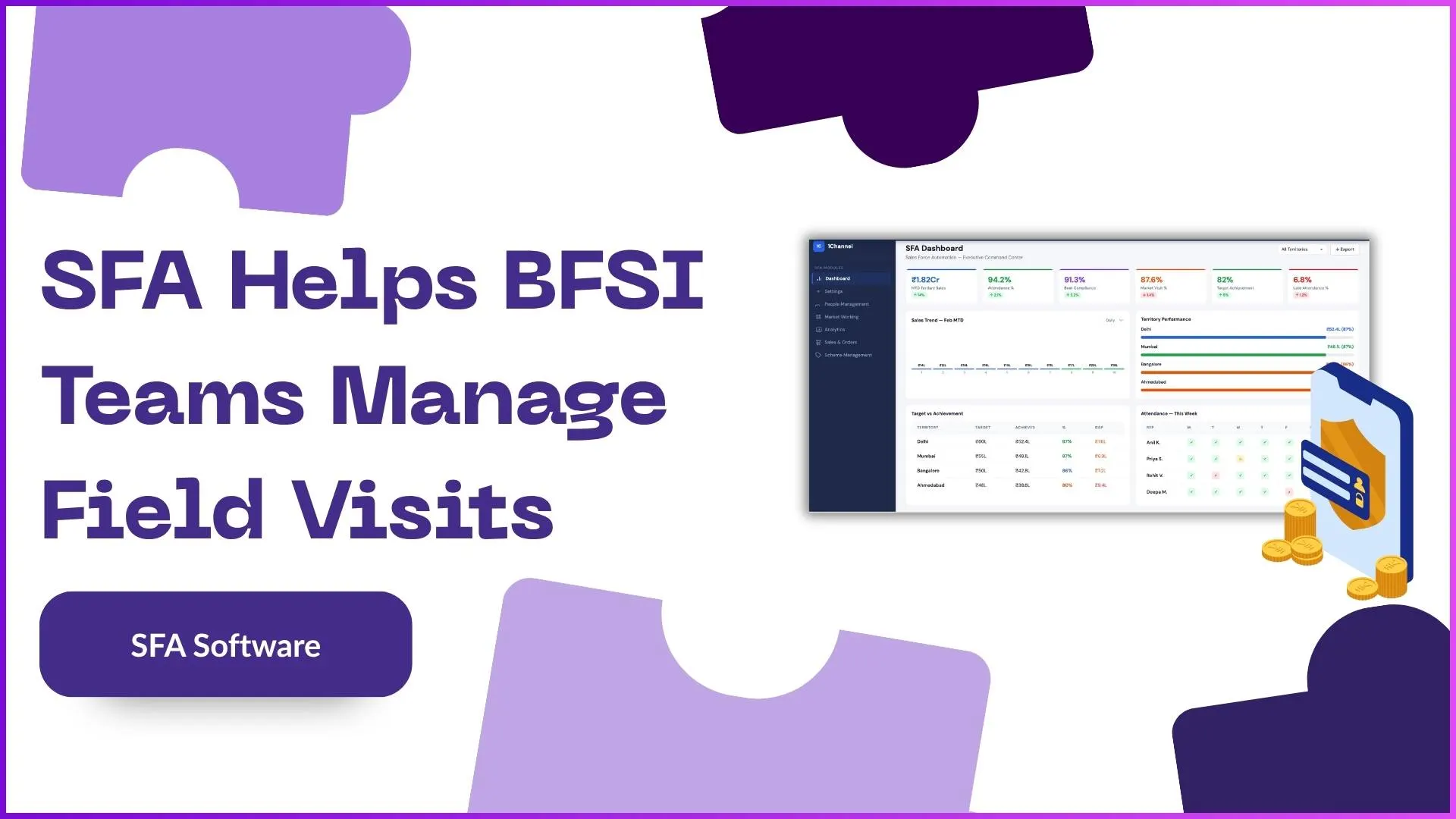
1Channel SFA absorbs every field document into its cloud Sales Force Automation suite. The rep captures the form on the app; the platform validates the fields; the manager reads the record without chasing a paper trail.
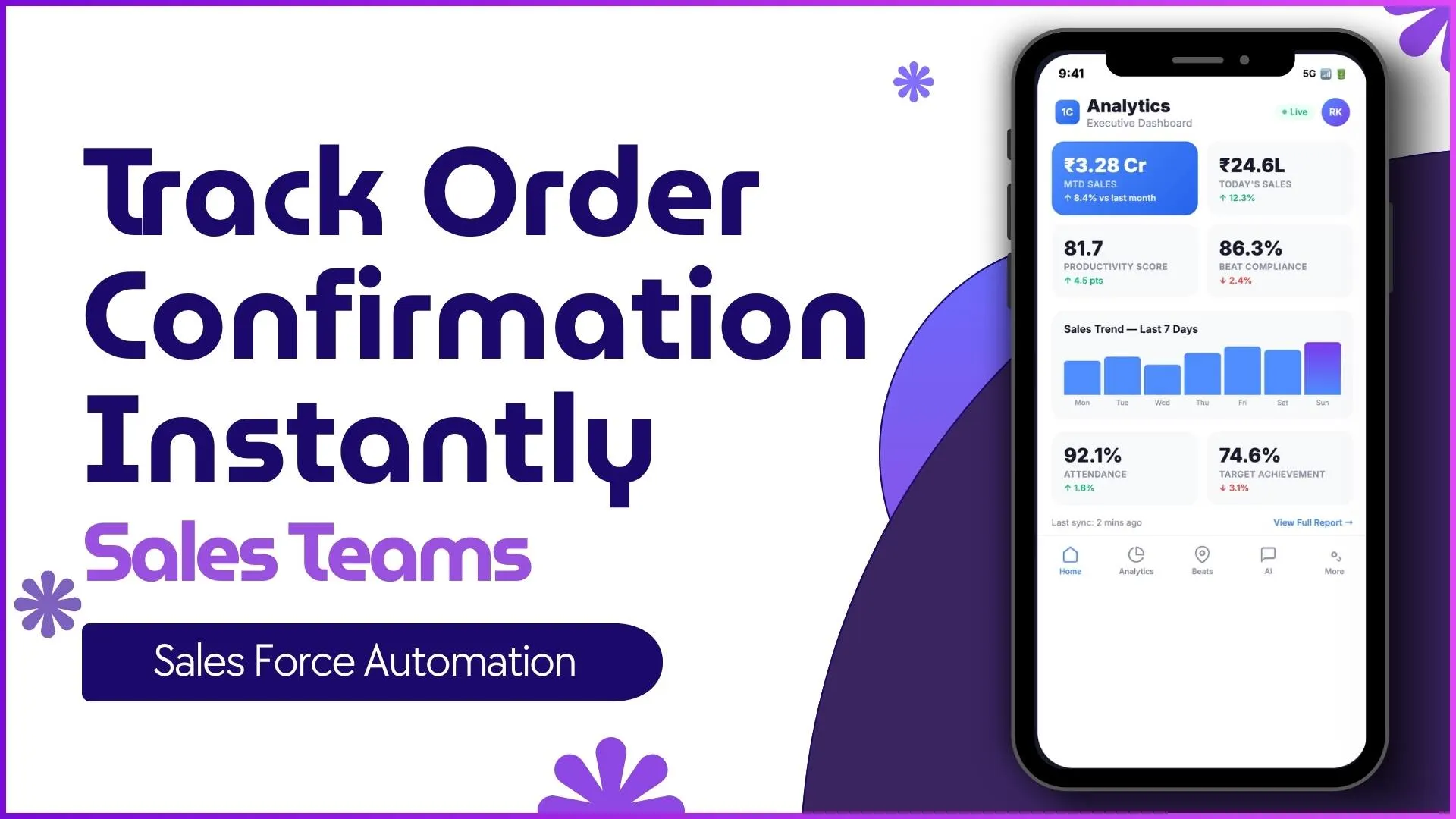
1Channel's AI engine watches the document stream for anomalies. A rep whose visit report quality has dropped, a region where claim submissions are spiking, or a beat where stock counts are drifting from baseline: all surface as soft alerts.
New document templates, validation rules, approval flows, and audit triggers go live the same day they are approved, with an automated dry-run preview against the existing field structure.
Explore Sales Force Automation
1Channel's cloud SFA platform digitises every field document with AI-driven validation and automated approval routing.
Explore Sales Force Automation →Key Takeaways for the Operations Team
Four points to carry into the digitisation programme:
- Pick the first three documents by payback, not by complexity. Attendance, visit reports, and claims pay back in weeks. Start there; stack the rest behind them.
- Field templates are a one-time investment with a recurring return. Spend two weeks getting the template right; pay it back every visit for the next two years.
- Validation rules are the difference between digital and digitised. A digital form that accepts garbage data is worse than the paper one. Build the rules first.
- Audit trails matter more than reports. The reporting layer changes every two years. The audit trail is what regulators, partners, and auditors ask for; design for it from day one.