A loyalty program that just credits points to a private wallet is doing half the job. The partner sees their own number but has no signal whether the number is good, average, or behind the rest of the channel.
Without that comparison, motivation flatlines. The points feel real only at redemption. The earning cycle in between runs on faith.
Leaderboards close the gap. They make the partner's standing visible against peers, and they turn the silent earning cycle into a continuous performance signal.
Table of Contents
What a Leaderboard Actually Does Inside a Loyalty App
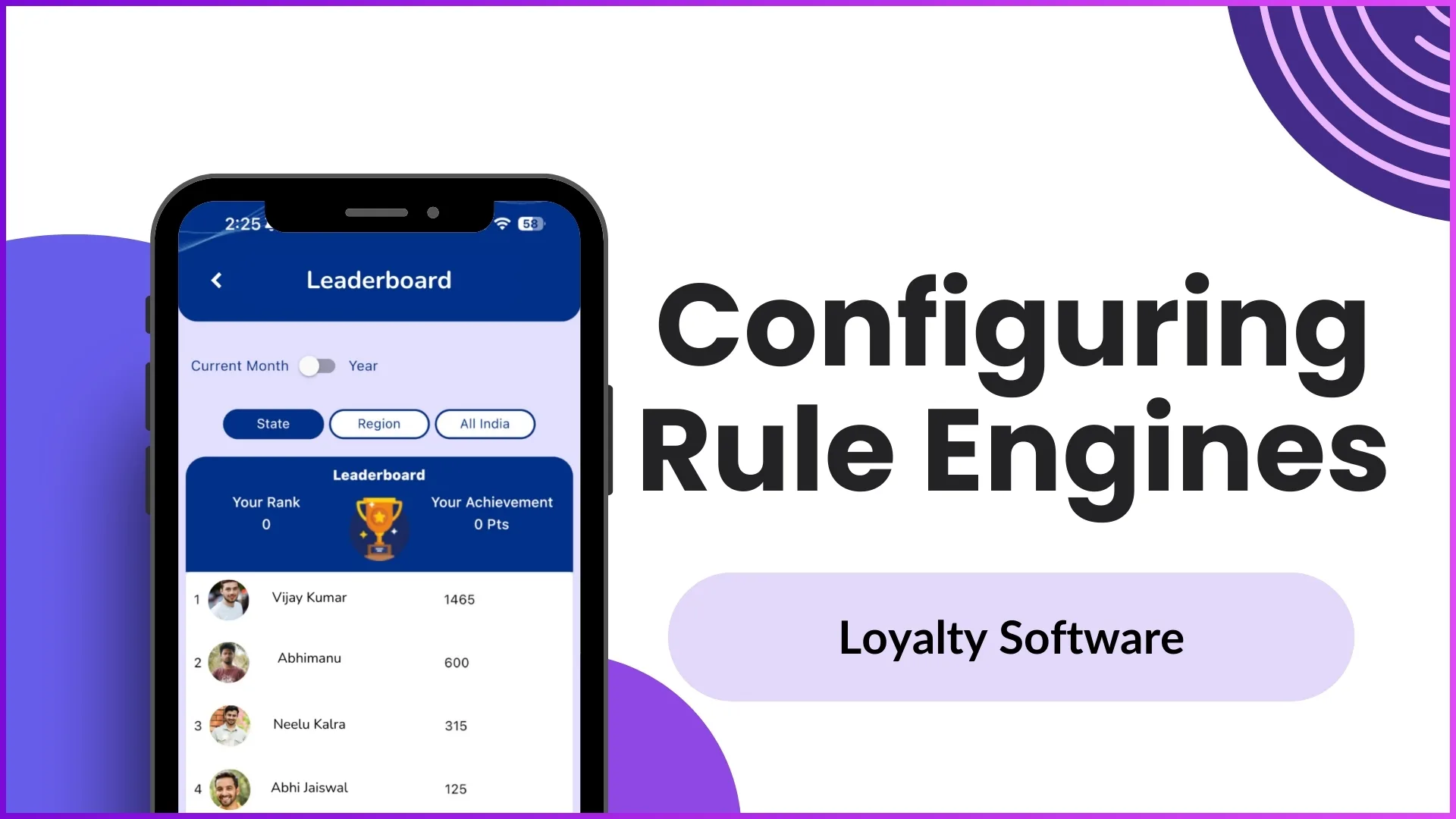
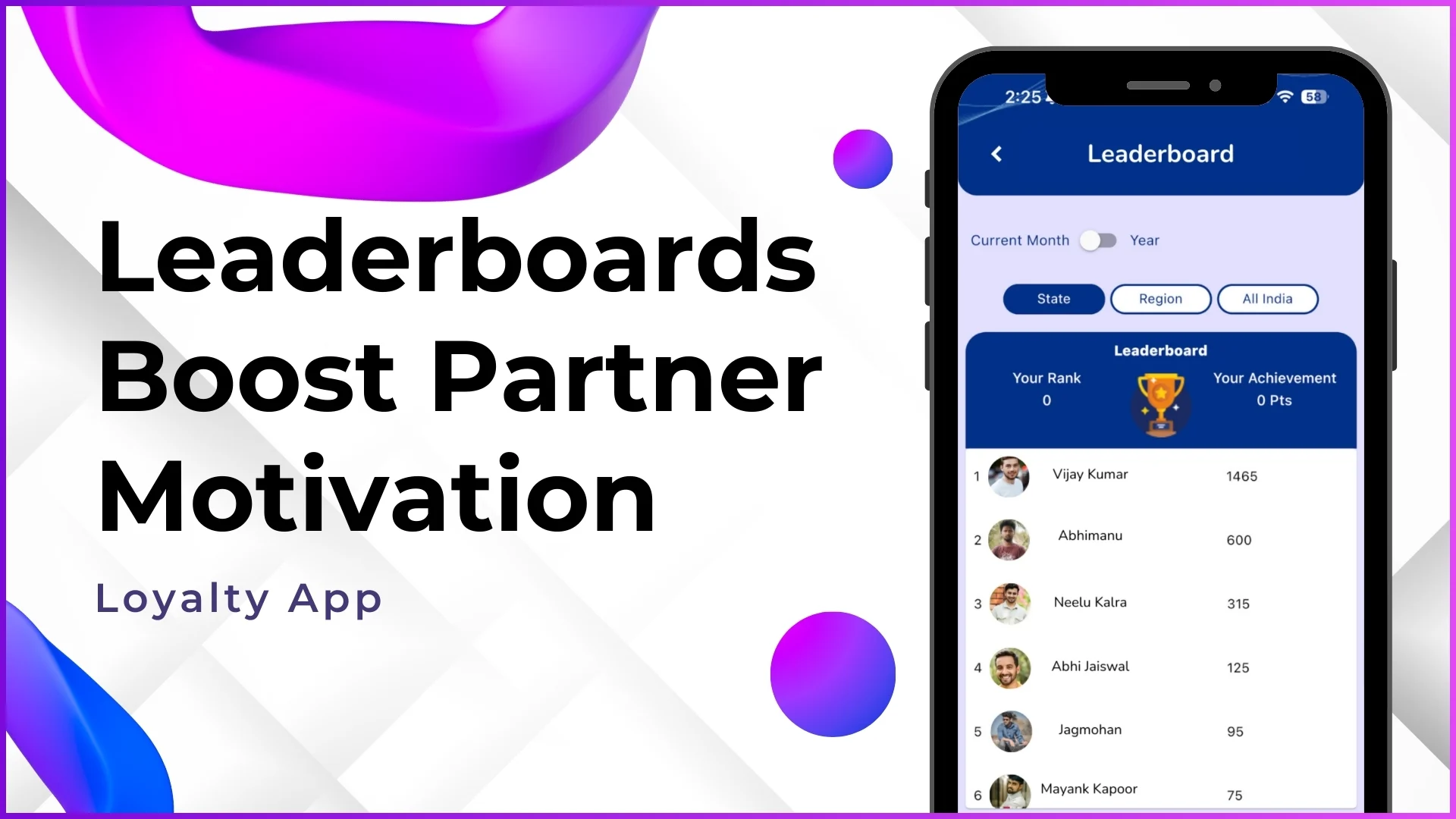
A leaderboard is a ranked view of partner performance against a chosen metric, surfaced inside the loyalty app. Points earned this month, transactions logged this quarter, tier progress for the cycle: depending on what the program optimises for.
On the cloud platform, the leaderboard updates automatically as new events land. The partner refreshes the app and sees their rank move, sometimes within the same minute as their last transaction.
Five Design Decisions That Decide If the Leaderboard Works
Five decisions separate a leaderboard that drives motivation from one that gets ignored after week two:
- Pick a metric the partner can move. Ranking by absolute revenue penalises smaller partners and demotivates the middle quartile. Rankings by activity, growth rate, or scheme adherence give every partner a path to the top.
- Segment the leaderboard by peer group. A single national rank flattens out the regional context. State-level, channel-level, or tier-level leaderboards keep the comparison meaningful.
- Reset the cycle on a cadence partners care about. Monthly resets keep the leaderboard fresh; quarterly resets reward sustained performance. Year-long boards lose energy by Q2.
- Show the partner a path, not just a position. Display the gap to the next rank and the points needed to close it. A static rank is information; a rank with a path is motivation.
- Tie recognition to the top, not just the reward. Public recognition, a digital badge, or a feature in the brand newsletter often matters more than the marginal reward. The partner is competing for status as much as for ringgit.
Where the Leaderboard Ties Back to Points and Rewards
A leaderboard works best when it sits inside the same loyalty workflow that earns and redeems points. The partner sees their rank when they open the app to check the balance, not as a separate destination they have to navigate to.
The integration also lets the program pair leaderboard standing with reward acceleration. A partner who climbs into the top 10 of their segment unlocks a 1.5x point multiplier for the rest of the cycle, for instance.
How 1Channel Runs Leaderboards for Malaysian Loyalty Programs
1Channel runs leaderboards through its cloud Loyalty Management module. Every qualifying event posts to the same ledger that drives points, and the leaderboard updates automatically against the configured metric.
1Channel's AI engine watches engagement patterns by segment. A leaderboard whose middle quartile is disengaging while the top stays active gets flagged, so the operator can tune the metric or split the segment before the program loses energy.
Configuration runs through the admin console. Operators define the metric, the segmentation, the cycle, and the recognition rules. Changes go live with an automated dry-run report, so the operator previews the impact across the last 30 days of data before activation.
Explore Channel & Influencer Loyalty
1Channel's cloud channel and influencer loyalty platform runs leaderboards with AI engagement monitoring and automated configuration.
Explore Channel & Influencer Loyalty →Outcomes Brands Watch For After Launch
Programs that move from private wallets to visible leaderboards see operating metrics shift in measurable ways:
- Daily active partner count climbs. Partners open the app more often when they have a rank to check and a peer comparison to read.
- Earning velocity improves at the middle quartile. Partners who saw themselves as average gain a reachable target and lift their behaviour.
- Top-performer retention strengthens. Public recognition holds the top partners against poaching offers from competitor programs.
- Operations reads engagement signal faster. The leaderboard exposes which segments are slipping before quarterly reviews surface it.
- Reward spend gets sharper. Leaderboard-tied multipliers concentrate spend on the partners who are actually moving, instead of spreading it thin across passive accounts.