Loyalty programs are no longer just about rewarding participants. Modern loyalty platforms generate valuable business intelligence that helps brands understand engagement, monitor program performance, measure reward effectiveness, and improve partner participation.
However, collecting loyalty data is only the first step. The real value comes from tracking the right metrics through a well-designed loyalty dashboard.
Whether your loyalty program serves retailers, influencers, contractors, plumbers, architects, fabricators, or other channel partners, having visibility into key performance indicators (KPIs) helps brands make informed decisions and maximize program ROI.
In this article, we'll explore the most important loyalty dashboard metrics every brand should track and why each one matters.
Why Loyalty Dashboard Metrics Matter
A loyalty platform captures activities such as enrolments, purchases, sales transactions, QR code scans, nominations, reward redemptions, and engagement activities.
Without proper dashboards, this data remains underutilized.
A well-structured loyalty dashboard helps brands:
- Measure program growth
- Monitor active participation
- Track reward liabilities
- Analyse redemption behaviour
- Evaluate engagement levels
- Identify high-performing members
- Improve program effectiveness
For example, if a brand notices growing enrolments but declining transaction activity, it may indicate that members are joining the program but not actively participating.
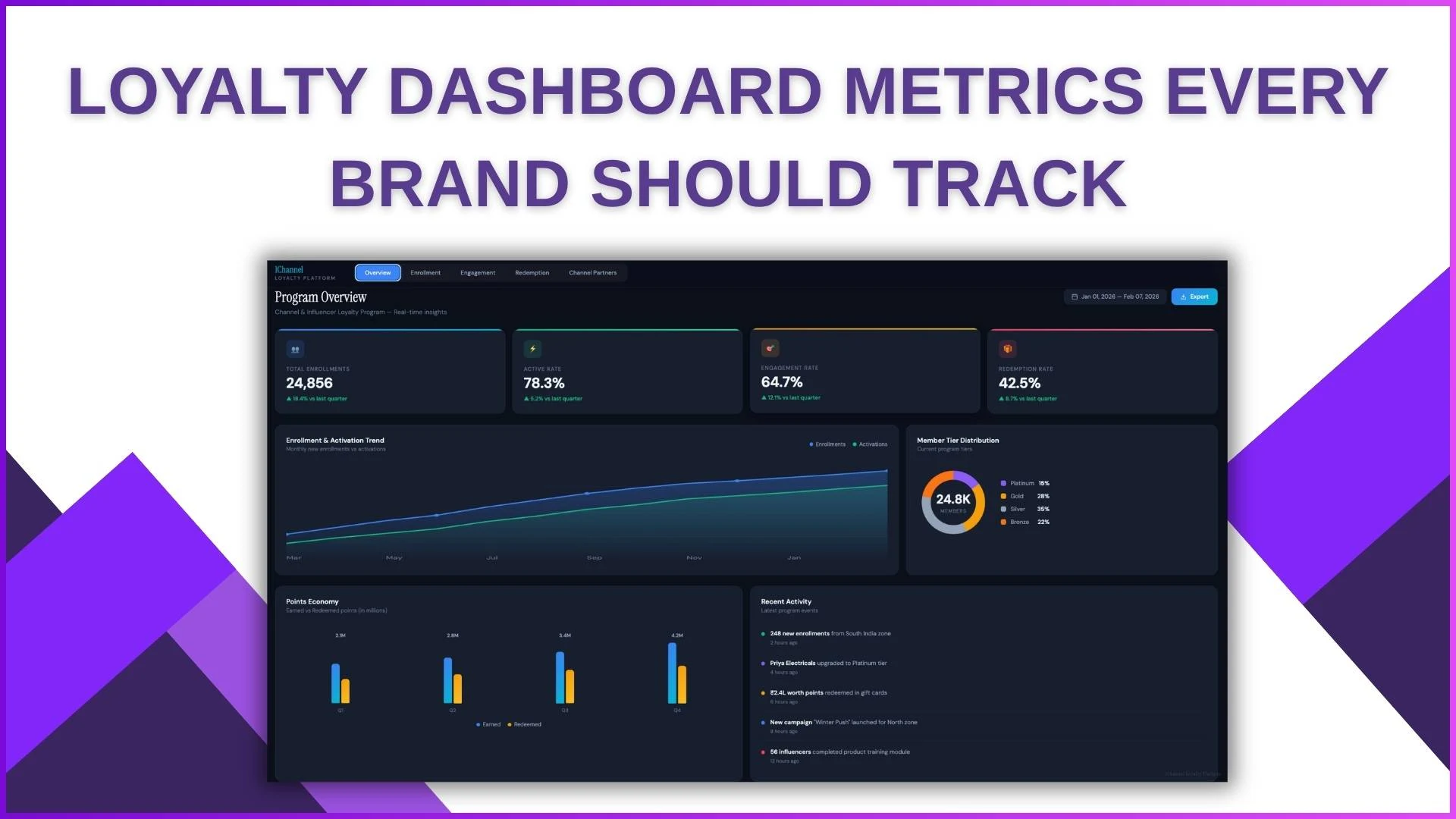
1. Member Growth
Member growth is one of the most fundamental loyalty metrics.
It shows how many participants are joining the program over a specific period.
Why It Matters
A growing member base indicates increasing program adoption and stronger channel engagement.
What to Track
- Total registered members
- New enrolments by month
- Growth trends over time
- Enrolment source
Example
A loyalty program may allow members to join through:
- Self-registration
- Backend enrolment
- Sales team nominations
- API integrations from external systems
Tracking which enrolment channel generates the highest number of members helps brands optimize onboarding efforts.
2. Active Members vs Inactive Members
Not every enrolled member actively participates in the program.
A critical dashboard metric is understanding the difference between active and inactive users.
Why It Matters
A large member base means little if participation levels remain low.
What to Track
- Active members
- Inactive members
- Never-active members
- Monthly participation rates
Example
A dashboard may categorize members as:
- Active: Members who recently completed transactions
- Inactive: Members who have stopped participating
- Never Active: Members who enrolled but never submitted a transaction or earned points
This helps brands identify re-engagement opportunities.
3. Total Transactions Processed
Transactions form the backbone of any loyalty program.
Depending on program design, transactions may be captured through:
- Sales data integrations
- QR code scans
- Invoice submissions
Why It Matters
Transaction volume reflects overall program activity.
What to Track
- Total transactions
- Monthly transaction growth
- Transaction source
- Approved vs rejected transactions
Example
A retailer loyalty program may receive monthly sales data through ERP or DMS integrations.
Tracking transaction volume helps determine whether partner participation is increasing or declining over time.
4. Sales Value Generated Through the Program
For programs linked to product sales, monitoring sales value is essential.
Why It Matters
This metric directly connects loyalty activities to business performance.
What to Track
- Total sales value
- Sales by region
- Sales by member category
- Quarterly sales trends
Example
A retailer may generate ₹6,84,180 in sales during a quarter.
The dashboard can display monthly sales breakups and overall performance to help both the participant and brand monitor progress.
5. Points Allocated
Points allocation represents the rewards earned by participants.
Why It Matters
It measures how effectively the program incentivizes desired behaviors.
What to Track
- Total points issued
- Points allocated by activity
- Points allocated by member category
- Points issued during campaigns
Example
A loyalty program may award points based on:
- Quarterly sales achievement
- Product purchases
- QR code scans
- Approved invoice submissions
The dashboard should clearly show how many points were credited and why.
6. Points Redeemed
Tracking redemption activity helps brands understand whether rewards are motivating members.
Why It Matters
Points only create value when members redeem them.
What to Track
- Total redeemed points
- Redemption frequency
- Redemption rate
- Redemption trends
Example
A plumber earning points through QR code scans may redeem them directly through UPI transfers.
High redemption activity often indicates strong engagement and perceived reward value.
7. Current Reward Liability
One of the most important financial metrics for brands is loyalty liability.
Why It Matters
Unredeemed points represent future financial obligations.
What to Track
- Active point balance
- Unredeemed rewards
- Outstanding reward liability
Example
If thousands of members collectively hold large point balances, brands need visibility into their future redemption commitments.
This metric helps with budgeting and reward planning.
8. Reward Redemption Performance
Brands should monitor what rewards members actually choose.
Why It Matters
Understanding reward preferences helps improve catalog design.
What to Track
- Most redeemed rewards
- Voucher redemptions
- Bank transfer redemptions
- Physical reward orders
Example
Participants may redeem rewards through:
- UPI transfers
- Bank transfers
- Gift vouchers
- Physical products
The dashboard can highlight which reward category drives the highest engagement.
9. Order Status Tracking
For programs offering rewards, order fulfilment visibility is essential.
Why It Matters
Poor fulfilment experiences can reduce trust in the program.
What to Track
- Processing orders
- Shipped orders
- Delivered orders
- Rejected orders
Example
If a participant redeems points for a voucher or physical reward, they should be able to view its current status directly within the loyalty platform.
Brands can use dashboard data to identify fulfilment bottlenecks.
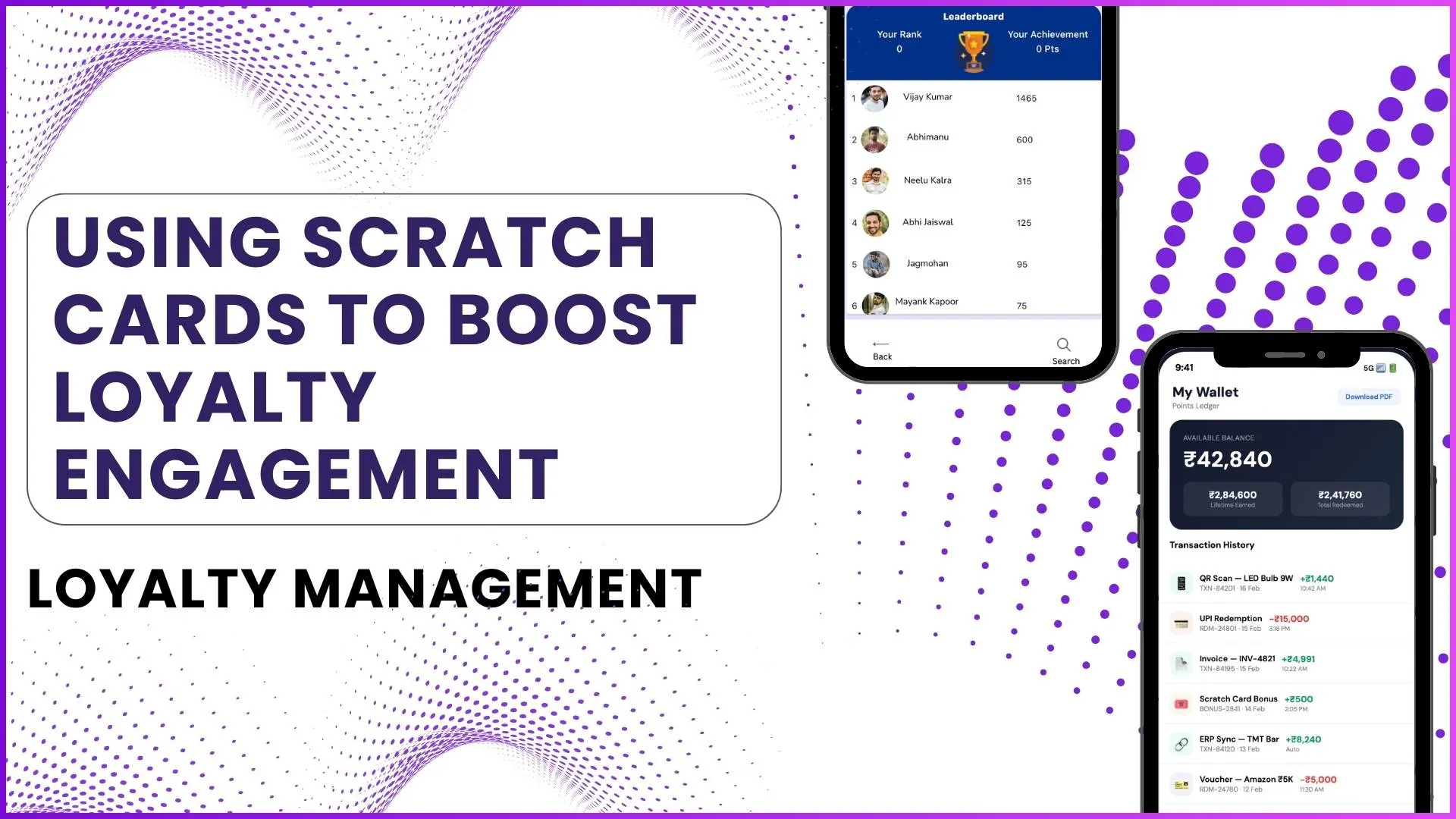
10. Top Performer Rankings
Leaderboards are a powerful gamification tool.
Why It Matters
They encourage healthy competition among participants.
What to Track
- Top performers
- Regional rankings
- State rankings
- National rankings
Example
A leaderboard may display:
- Member rank
- Earned points
- Regional standing
This motivates participants to increase their activity levels.
11. QR Code Scan Performance
For QR-based loyalty programs, scan activity is a critical KPI.
Why It Matters
It measures product-linked engagement and reward distribution accuracy.
What to Track
- Total scans
- Unique scans
- Invalid scans
- Product-wise scan activity
Example
A plumber scans a QR code attached to a product.
The system validates:
- Whether the code is genuine
- Whether it has already been used
Tracking these metrics helps prevent misuse while ensuring reward accuracy.
12. Approval Workflow Metrics
Programs using invoice submissions often require approvals.
Why It Matters
Approval efficiency impacts member experience.
What to Track
- Pending approvals
- Approved submissions
- Rejected submissions
- Approval turnaround time
Example
In an invoice-based loyalty program, purchases may require:
- Retailer approval
- Sales team approval
Monitoring approval performance helps reduce delays in point allocation.
13. Engagement Through Notifications
Notifications play an important role in keeping members active.
Why It Matters
Regular communication improves participation and redemption rates.
What to Track
- Notification delivery
- Engagement rates
- Campaign response
- Reminder effectiveness
Example
Programs may send alerts for:
- Birthday wishes
- Work anniversaries
- Expiring points
- Monthly targets
- Reward updates
Tracking engagement helps brands understand which messages generate the strongest response.
14. Category-Wise Member Performance
Different participant categories often behave differently.
Why It Matters
Brands can create more targeted engagement strategies.
What to Track
Performance by:
- Retailers
- Contractors
- Fabricators
- Engineers
- Architects
- Plumbers
Example
A dashboard may reveal that contractors redeem rewards more frequently while engineers generate higher transaction values.
This insight supports better program planning.
15. Region-Wise Program Performance
Regional analysis helps brands identify growth opportunities.
Why It Matters
Different markets often perform differently.
What to Track
- Region-wise enrolments
- Region-wise transactions
- Region-wise redemptions
- Region-wise engagement
Example
The platform can display different campaigns and creatives for participants from different regions, making regional performance tracking especially valuable.
Building a Data-Driven Loyalty Program
The most successful loyalty programs are not built solely around rewards. They are built around measurable engagement and actionable insights.
By monitoring member growth, participation levels, transaction activity, sales contribution, point allocation, redemption behaviour, leaderboard performance, and reward liabilities, brands gain a complete view of program health.
When these metrics are available through a centralized dashboard, loyalty programs become easier to optimize, scale, and align with broader business objectives.
How 1Channel Helps Brands Track Loyalty Program Performance
A modern loyalty program requires more than participant enrolment and reward distribution. Brands need complete visibility into member activity, transaction performance, reward liabilities, redemptions, approvals, engagement levels, and overall program effectiveness.
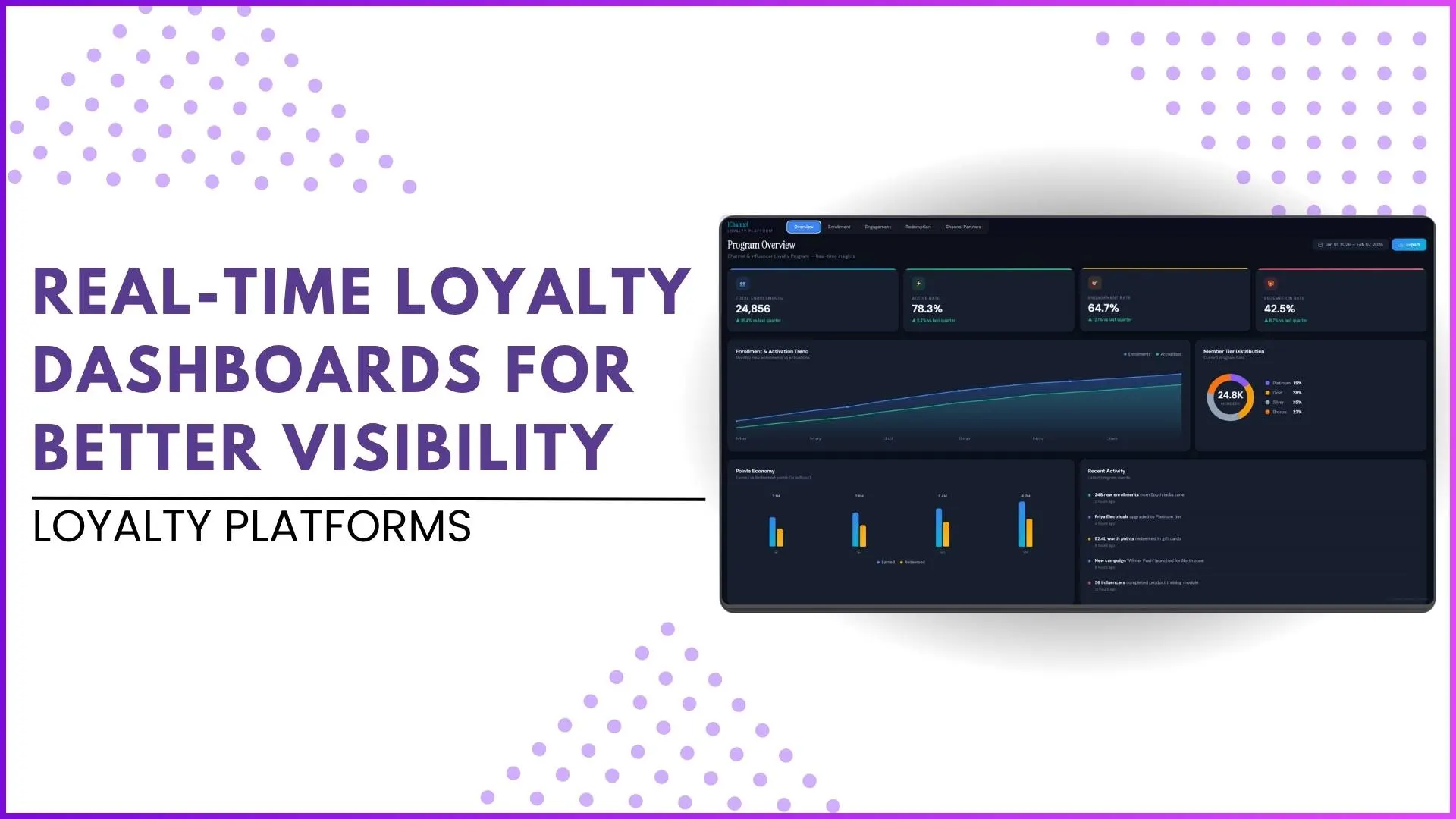
1Channel's loyalty platform enables brands to track key performance metrics through configurable dashboards, transaction monitoring, member analytics, point allocation tracking, redemption management, leaderboard performance, approval workflows, and detailed reporting. Whether loyalty activities are captured through ERP integrations, QR code scanning, invoice submissions, or nominations, brands gain a centralized view of program performance and partner engagement.
With real-time visibility into critical loyalty KPIs, businesses can make informed decisions, improve participation, and maximize the impact of their loyalty initiatives.
Explore 1Channel Loyalty Management Software
1Channel Loyalty Management Software delivers configurable dashboards, member analytics, transaction monitoring, point tracking, redemption management, leaderboard performance, and detailed reporting to help brands measure and maximize loyalty program effectiveness.
Explore Loyalty Management Software →FAQs
What are loyalty dashboard metrics?
Loyalty dashboard metrics are performance indicators that help brands measure enrolment, participation, transactions, rewards, redemptions, engagement, and overall program effectiveness.
Why should brands track active and inactive members?
Tracking active and inactive members helps brands understand participation levels and identify opportunities to re-engage dormant users.
What is loyalty liability?
Loyalty liability refers to the value of unredeemed points that members have earned but not yet redeemed. It represents a future financial obligation for the brand.
Why is redemption tracking important?
Redemption tracking shows whether rewards are motivating participants and helps brands understand which reward options generate the highest engagement.
How do leaderboards improve loyalty program performance?
Leaderboards create healthy competition by displaying rankings and achievements, encouraging participants to increase their activity and earn more rewards.
Which metrics are most important for a loyalty program dashboard?
The most important metrics typically include member growth, active members, transaction volume, sales value, points allocated, points redeemed, reward liability, redemption performance, and engagement levels.