In three years, ChatGPT went from a text-generation experiment to a multimodal reasoning engine that can analyse images, hold voice conversations, write production-grade code, and operate as a personalised digital assistant. That trajectory is not just a technology story. It is a roadmap for what business software, particularly CRM and sales force automation platforms, needs to become.
For Malaysian businesses managing field sales teams, distributor networks, and customer relationships, the parallel is direct. The same forces that pushed ChatGPT from GPT-3.5 to GPT-5.1 are now pushing sales tools from static data entry platforms toward intelligent, adaptive systems that predict, recommend, and automate.
This article traces ChatGPT's evolution through each major release and maps what each milestone signals for the future of CRM and SFA.
Table of Contents
GPT-3.5 to GPT-4: When AI Became a Serious Work Partner
When ChatGPT launched in late 2022 using GPT-3.5, it demonstrated that conversational AI could work at scale. It could write, summarise, and answer questions, but it struggled with complex reasoning, long-context tasks, and anything requiring real analytical depth.
The leap to GPT-4 in March 2023 changed expectations entirely. Suddenly, AI could analyse documents, plan multi-step tasks, reason through problems, and collaborate on professional work. The gap between "interesting toy" and "useful business tool" closed overnight.
What this meant for CRM and SFA: The GPT-4 moment was the inflection point when businesses realised that traditional CRM and SFA tools, which were essentially structured databases with forms, were no longer sufficient. Sales teams did not just need a place to log data. They needed systems that could analyse patterns, surface insights, and help reps make better decisions in the field.
This is when the conversation shifted from "Do we need a CRM?" to "Does our CRM actually help us sell more?" For field sales teams in markets like Malaysia, where reps cover distributed territories from Klang Valley to East Malaysia, the demand became clear: tools that think, not just tools that store.
GPT-4o and the Arrival of Multimodal AI
By 2024, ChatGPT embraced full multimodality with GPT-4o. The system could now process text, images, voice, and video through a single interface. A user could show it a photograph and ask questions about what was in it, have a voice conversation with natural intonation, or combine multiple input types in a single workflow.
What this meant for CRM and SFA: The multimodal leap mapped directly onto what modern field sales operations require. Consider what a merchandising rep does during a store visit: they photograph shelf displays, verbally note competitor activity, log stock counts into forms, and capture order details. Each of these involves a different input modality.
SFA platforms that can process images (for planogram compliance checking), accept voice inputs (for hands-free field notes), read documents (for purchase order verification), and integrate multiple data sources in real time are following the same trajectory that GPT-4o demonstrated. The direction is clear: unified, responsive systems that handle whatever input the user provides.
For a field rep visiting 10 outlets across Selangor in a day, the difference between an app that requires manual text entry for every data point versus one that can process a photo of a shelf display and automatically log compliance data is the difference between spending 30 minutes on admin per visit and spending 5 minutes.
GPT-5 and GPT-5.1: The Era of Personalised Digital Assistants
With GPT-5 in August 2025, and the refinement in GPT-5.1, the focus shifted from raw intelligence to personalised experience. The AI became more context-aware, adaptable to individual communication styles, more consistent in its outputs, and better at executing complex tasks reliably over extended interactions.
What this meant for CRM and SFA: This is where the parallel becomes most relevant for businesses managing sales operations. The shift from "intelligent tool" to "personalised assistant" mirrors exactly what sales teams need:
- Personalised customer interactions. A CRM that remembers not just a customer's order history but their communication preferences, the best time to visit, and the specific concerns raised in past meetings. For a distributor relationship manager covering accounts in Penang, this context makes every visit more productive.
- Predictive insights per sales rep. Instead of the same dashboard for everyone, AI-powered analytics that adapt to each rep's territory, showing them the specific patterns and opportunities relevant to their accounts. A rep in Johor sees different insights than one covering Sabah because their markets behave differently.
- Automated workflows that adapt. Approval processes, follow-up reminders, and reporting schedules that adjust based on actual user behaviour and business patterns, rather than rigid rules that apply identically to every situation.
- AI copilots for field work. Conversational interfaces where a rep can ask "Which of my accounts have not been visited in the last two weeks?" or "Show me the top-performing SKUs in my territory this month" and receive instant, contextual answers without navigating through multiple report screens.
The Three-Year AI Timeline and Its CRM/SFA Parallel
Here is how each ChatGPT milestone maps to the evolution of sales automation:
CRM/SFA parallel: Static data entry forms, manual reporting, spreadsheet-based tracking.
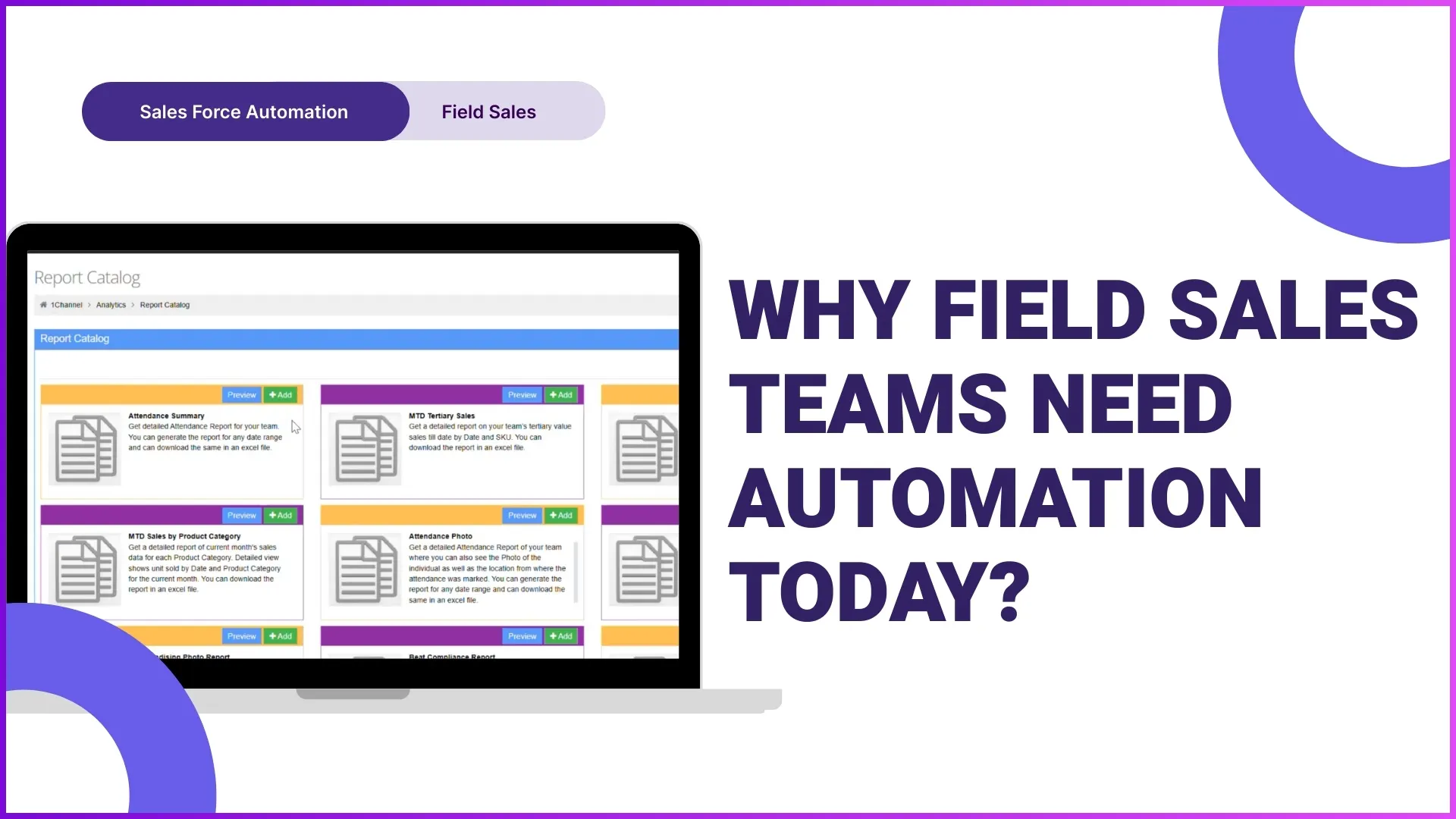
CRM/SFA parallel: Analytics dashboards, AI-powered attendance verification, automated beat compliance tracking.
CRM/SFA parallel: Image recognition for shelf audits, GPS-verified photo attendance, voice-enabled field notes, real-time data from multiple sources.
CRM/SFA parallel: Predictive insights per territory, personalised rep dashboards, conversational AI for field queries.
CRM/SFA parallel: AI copilots that assist with planning and reporting, automated workflow adaptation, self-optimising route schedules.
What This Means for Businesses Managing Sales Operations
The pattern across ChatGPT's evolution is consistent: each generation moved from processing data to understanding context to acting on intent. CRM and SFA platforms are following the same path, and the businesses that benefit are the ones whose tools keep pace with this trajectory.
For Malaysian companies with field sales teams, distributor networks, or retail partner ecosystems, the practical implications are straightforward. The gap between a sales team using a basic CRM (essentially a digital filing cabinet) and one using an AI-enhanced SFA platform (with predictive analytics, automated compliance checking, and conversational interfaces) will widen every year. The cost of staying on the older model is not just inefficiency. It is a competitive disadvantage that compounds over time.
The good news is that the AI capabilities demonstrated by ChatGPT's evolution are not hypothetical for sales automation. Features like AI face validation for attendance, anomaly detection in analytics dashboards, predictive visit scheduling, and conversational data queries are already available in modern SFA platforms and can be deployed without building AI infrastructure from scratch.
Explore AI-Powered CRM and SFA
1Channel's platform combines field sales automation with AI capabilities including face validation, predictive analytics, and configurable workflows for businesses of any size.
Book a Free Demo →Source: Economic Times - ChatGPT's Version-by-Version Journey