The hardest field sales question to answer honestly is also the simplest: did the visit actually happen? Across Malaysian territories that span dense Klang Valley clusters and long Sabah routes, the answer often arrives days late, if at all. GPS validation closes that gap by tying every check-in to a coordinate and a geofence, so the question stops needing to be asked.
Table of Contents
Why Validation, Not Just Tracking, Is the Point
Plain location tracking records where a phone moved. That is useful, but it does not answer whether the rep belonged at that location when the visit was logged. A rep checking in from a coffee shop across the road from a 99 Speedmart outlet in Subang Jaya produces a tracked location and a recorded visit, neither of which represents an actual store interaction.
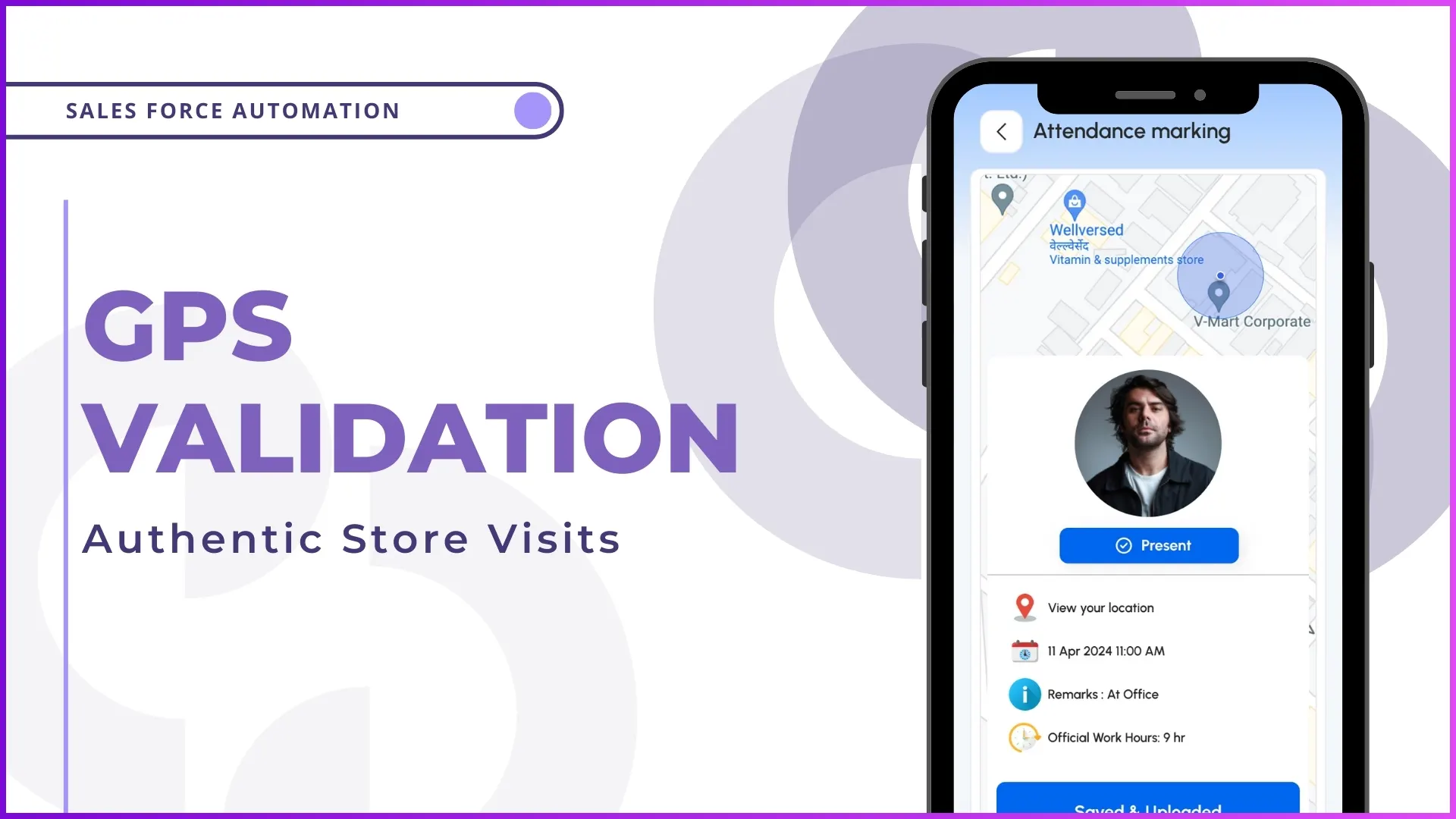
GPS validation flips the question. Instead of asking where the phone is, the system asks whether the phone is inside the store's defined boundary at the moment of check-in. If it is not, the check-in is rejected at the source rather than left for later cleanup.
The Three-Layer Check Behind Every Geofenced Visit
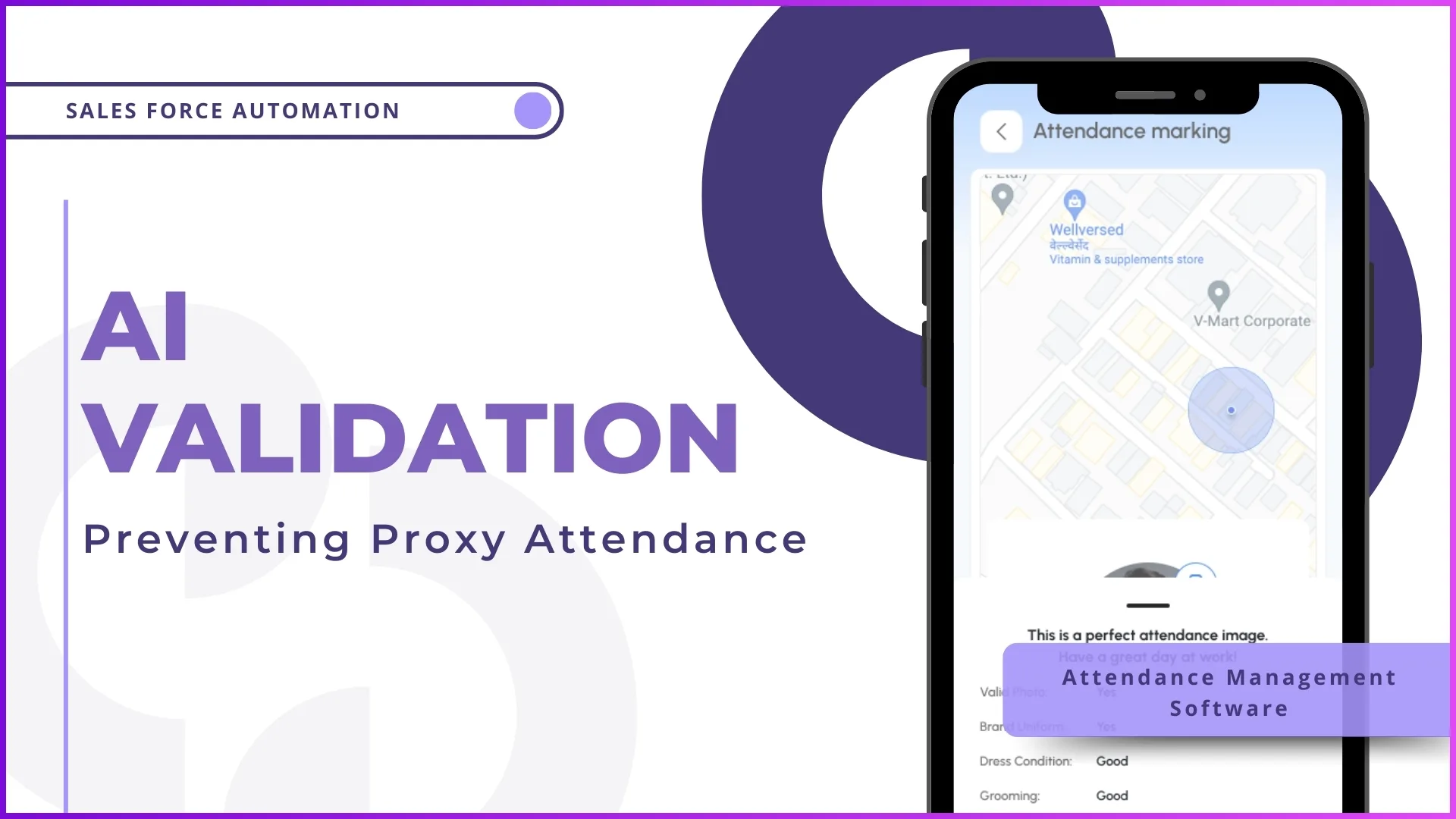
Authentic visits in the SFA platform pass through three checks before the record is accepted. The first is the geofence, a configurable radius around the store coordinates that defines where a valid check-in can originate. The second is AI face validation, which compares the live selfie against a stored reference photo to confirm the rep's identity. The third is timestamp logic, which captures both check-in and check-out so unusually short visits surface as exceptions.
These three layers run automatically. The rep experiences a single check-in tap. The system runs the validations in the background and either accepts the visit or blocks it with a clear reason, so corrective action happens in the field rather than in the next month's audit.
What Validation Catches That Honest Reps Never Notice
For a rep doing their job, GPS validation is invisible. The check-in completes in one tap because they are physically inside the outlet. What validation actually catches sits on the other side of the data: attempts to check in from outside the geofence, attempts to use a different phone, and patterns where check-ins cluster at unusual coordinates near several stores rather than inside any one of them.
These signals turn into structured exceptions in the Store Visit Report and the Visit Productivity Report. Managers covering KL, Penang, or Johor see them as flagged entries during routine review, not as separate audit projects. The cost of cheating becomes higher than the cost of doing the visit honestly.
Explore Sales Force Automation
1Channel's cloud SFA platform pairs GPS validation with AI face checks and geofencing to deliver authentic field sales data for Malaysian businesses.
Explore SFA Solutions →Frequently Asked Questions
How wide should the geofence be around a Malaysian retail outlet?
The default ranges from 30 to 50 metres, tuned per store so a stall in a busy Penang night market can be tighter than a standalone hypermarket like AEON Big.
What happens when GPS accuracy is weak inside a mall?
The app holds the check-in until accuracy improves and falls back to the last verified coordinate, so the validation is queued rather than skipped.
Does GPS validation slow down the rep at check-in?
No. The checks run in the background within a fraction of a second, and the rep sees only a single confirmation tap.