A field sales rep in the Klang Valley might have 10 outlets to visit in a day. Without a structured plan, they decide on the fly: start with the store that is closest to home, skip the one in Rawang because it is far, double back to Petaling Jaya because they forgot about an appointment, and end the day having covered only 7 outlets instead of 10. Meanwhile, a colleague unknowingly visits one of the same stores later that afternoon because neither knew the other had already been there.
Route planning software eliminates this kind of inefficiency. Built into sales force automation (SFA) platforms, it allows managers to create structured visit schedules for each field rep, assign specific outlets to specific days, and then track whether those plans were actually followed. This article explains how route planning works, what problems it solves, and why it matters for field operations in Malaysia.
Table of Contents
Why Field Sales Teams Need Route Planning
Without a systematic approach to route planning, field sales operations suffer from a set of problems that are common across Malaysian businesses of all sizes.
Inconsistent customer visit frequency
Customers need regular visits to stay engaged and keep placing orders. A distributor in Ipoh who receives a visit every week feels valued and maintains a strong ordering pattern. The same distributor visited once a month, or inconsistently, eventually starts looking at competitors. Without route planning, visit frequency depends entirely on the individual rep's memory and priorities, which means high-value customers often get neglected while easier, nearby outlets get visited too frequently.
Wasted time on poorly sequenced routes
Malaysian cities like KL, Penang, and Johor Bahru are notorious for traffic congestion. A rep who visits a pharmacy in Bangsar, then drives 40 minutes to an outlet in Cheras, then backtracks to Damansara for the next visit, is spending more time in traffic than in stores. Proper route planning sequences visits geographically so that reps move through an area efficiently, minimising backtracking and maximising the number of visits possible within working hours.
Duplicate visits and communication gaps
In teams where multiple reps cover overlapping areas, duplicate visits are a real problem. Rep A visits a pharmacy in Subang Jaya in the morning to check stock levels. Rep B visits the same pharmacy in the afternoon because they did not know Rep A had already been there. The pharmacy owner gets annoyed, the company wastes two visits where one would have sufficed, and neither rep covered the outlets that actually needed attention.
Route planning software provides a shared view where everyone can see which outlets are assigned to whom and which visits have been completed, eliminating this kind of overlap entirely.
Incomplete field reporting
Without a structured route and digital check-in process, field reports are often incomplete or delayed. A rep might visit eight outlets but only submit notes for five because they forgot the details by the time they filed the report in the evening. Route planning ties reporting directly to the visit itself, prompting the rep to capture data, photos, and order details at each stop while the information is fresh.
How Route Planning Software Works Step by Step
Here is how route planning operates within an SFA platform, from initial setup through daily execution and reporting.
Step 1: Store master and territory setup
Before any route can be planned, the admin configures the store master in the SFA portal. Every outlet, distributor, pharmacy, or client location is added with its address, GPS coordinates, channel type (modern trade, general trade, pharmacy, etc.), and category classification. Stores are then grouped into territories, and each territory is assigned to a specific rep or team.
For a Malaysian FMCG company, this might mean grouping 50 outlets in Selangor into three territories: one covering Shah Alam and Klang, another covering Petaling Jaya and Subang Jaya, and a third covering Damansara and Bangsar. Each territory is assigned to one rep who is responsible for all the outlets within it.
Step 2: Beat plan creation and approval
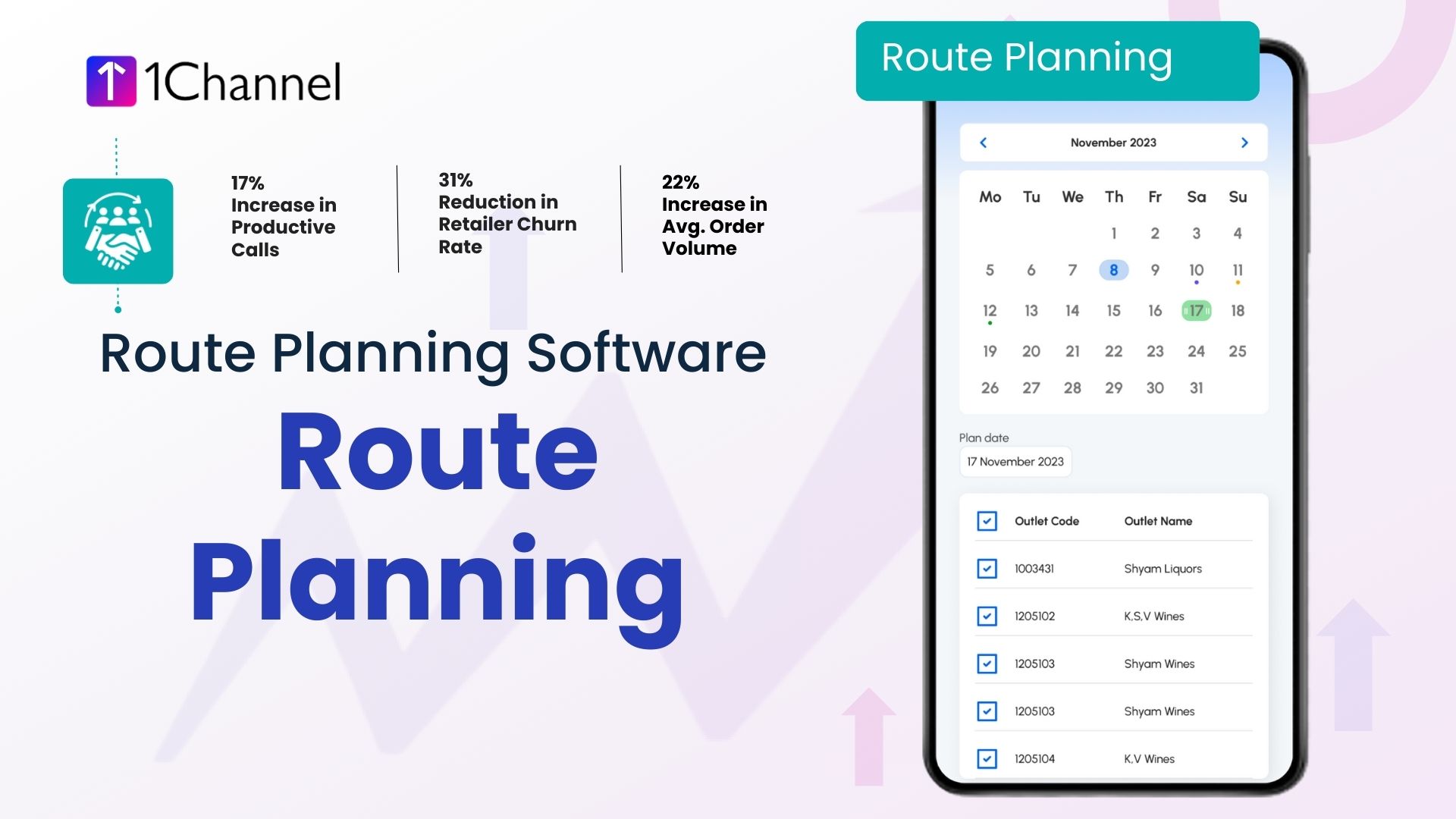
Once territories are defined, managers create beat plans that specify which outlets each rep should visit on which days. There are multiple ways to upload these plans in the SFA system: market visit plan upload by store and user, by store with distributor mapping, or by weekday. Managers can also set weekday-specific plans so that a rep visits one set of outlets every Monday and a different set every Wednesday.
After the plan is created, it goes through a beat plan approval process. The manager reviews the plan to ensure coverage is balanced, high-priority outlets are visited frequently enough, and the geographical sequencing makes sense. Once approved, the plan becomes active and appears in the rep's mobile app.
Step 3: Daily execution by the field rep
Each morning, the field rep opens the SFA app and sees their assigned visits for the day, listed in the planned sequence. At each outlet, they check in through the app, which captures their GPS location and timestamps the visit. During the visit, they complete the assigned activities: logging stock data, recording orders, filling questionnaires about shelf conditions, or uploading photos of product displays.
The geofencing feature ensures that the rep can only check in if they are physically within the defined radius of the store. This prevents fabricated visits where a rep might check into a store from a different location.
Step 4: Real-time monitoring and beat compliance
As reps complete their visits throughout the day, the data flows into the admin portal in real time. The manager can see which reps have started their day, how many visits have been completed, and which planned visits are still pending. The beat compliance report calculates each rep's compliance as the number of stores actually visited divided by the number of stores in their plan for that day.
If a rep is falling behind by mid-afternoon, the manager can reach out proactively rather than discovering the shortfall in the next day's report.
Step 5: Reporting and route optimisation
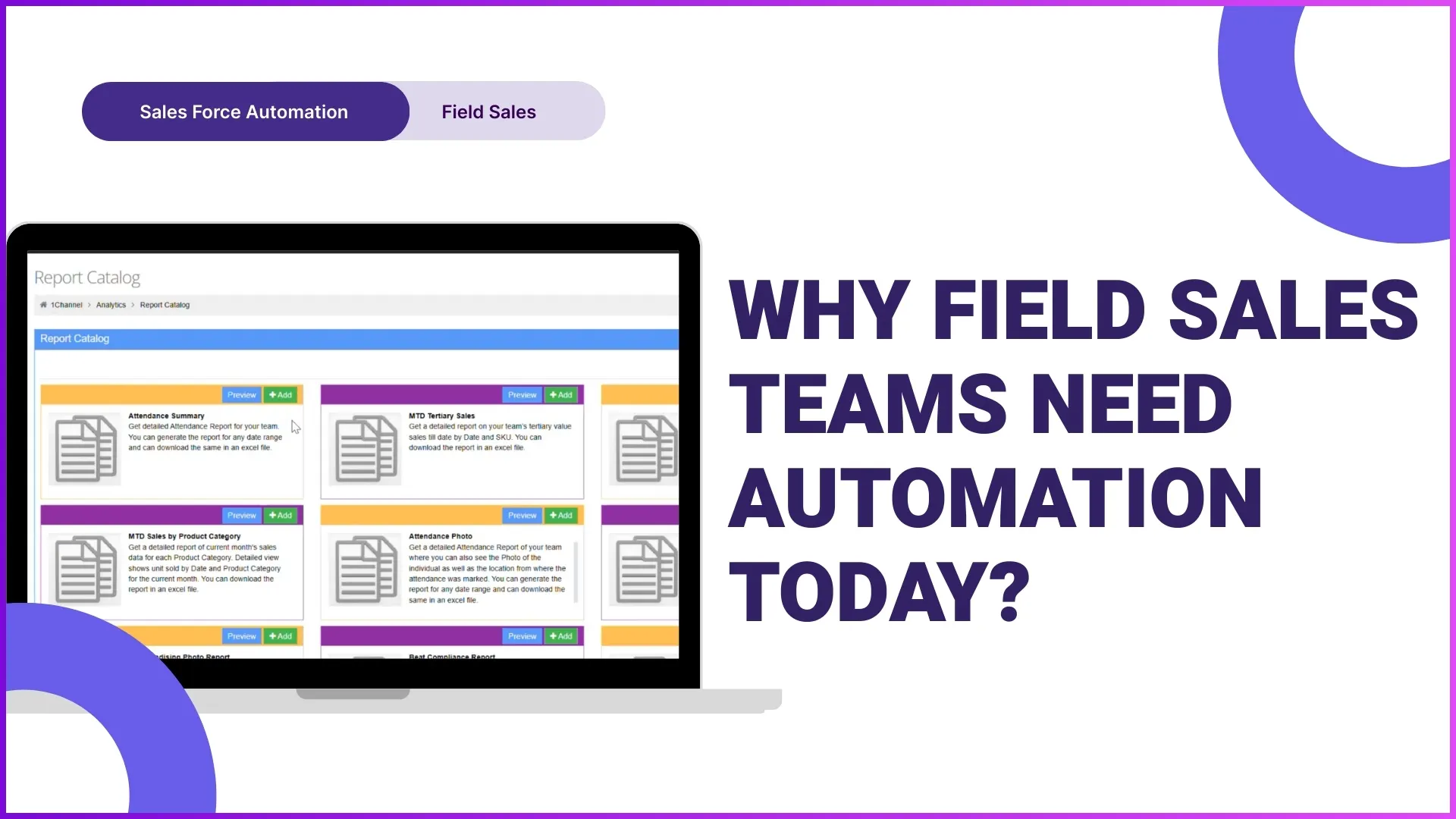
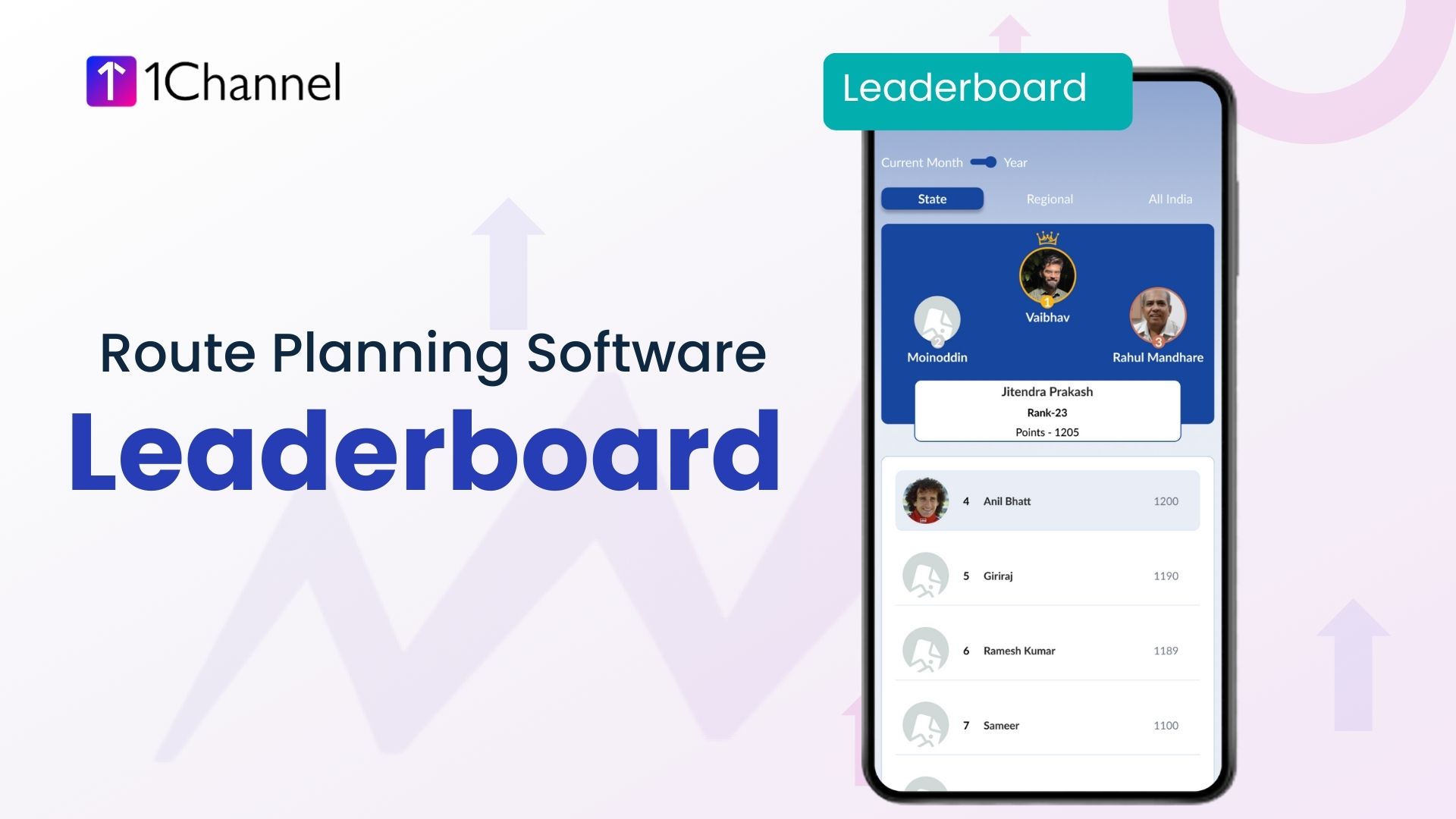
At the end of each day and week, the accumulated data tells a detailed story. The visit productivity report shows how many outlets each rep covered per day. The user activity report shows the distance travelled between stores and the time spent at each location. The sales productivity report ties visit data to actual orders captured.
Over time, this data reveals optimisation opportunities. A manager might discover that Rep C's Tuesday route includes a 30-minute detour to reach a single low-value outlet in Serdang. Reassigning that outlet to another rep whose Tuesday route passes through Serdang anyway could save 30 minutes of travel time every week. Multiplied across the team, these small adjustments compound into significant efficiency gains.
The Business Impact of Structured Route Planning
More outlets covered per day
When routes are planned geographically and reps follow a logical sequence, travel time between outlets decreases. A rep who used to cover 7 outlets per day because of poor route sequencing can often cover 9 or 10 with the same working hours once routes are optimised. For a team of 40 reps, that is 80 to 120 additional outlet visits daily.
Stronger customer relationships through consistent visits
Route planning ensures that every outlet receives visits at the frequency it needs. A high-volume retailer in Georgetown gets weekly visits. A smaller pharmacy in Butterworth gets biweekly visits. No outlet falls through the cracks because visits are tracked systematically rather than left to individual memory.
Reduced fuel and travel costs
Malaysian field operations involve real costs for fuel, highway tolls, and parking. Poorly planned routes mean reps drive more kilometres than necessary. When routes are optimised and the SFA system tracks actual travel distances, businesses can identify and eliminate unnecessary detours. For companies covering territories across both Peninsular Malaysia and East Malaysia, these savings can be substantial on a monthly basis.
Better data for sales decisions
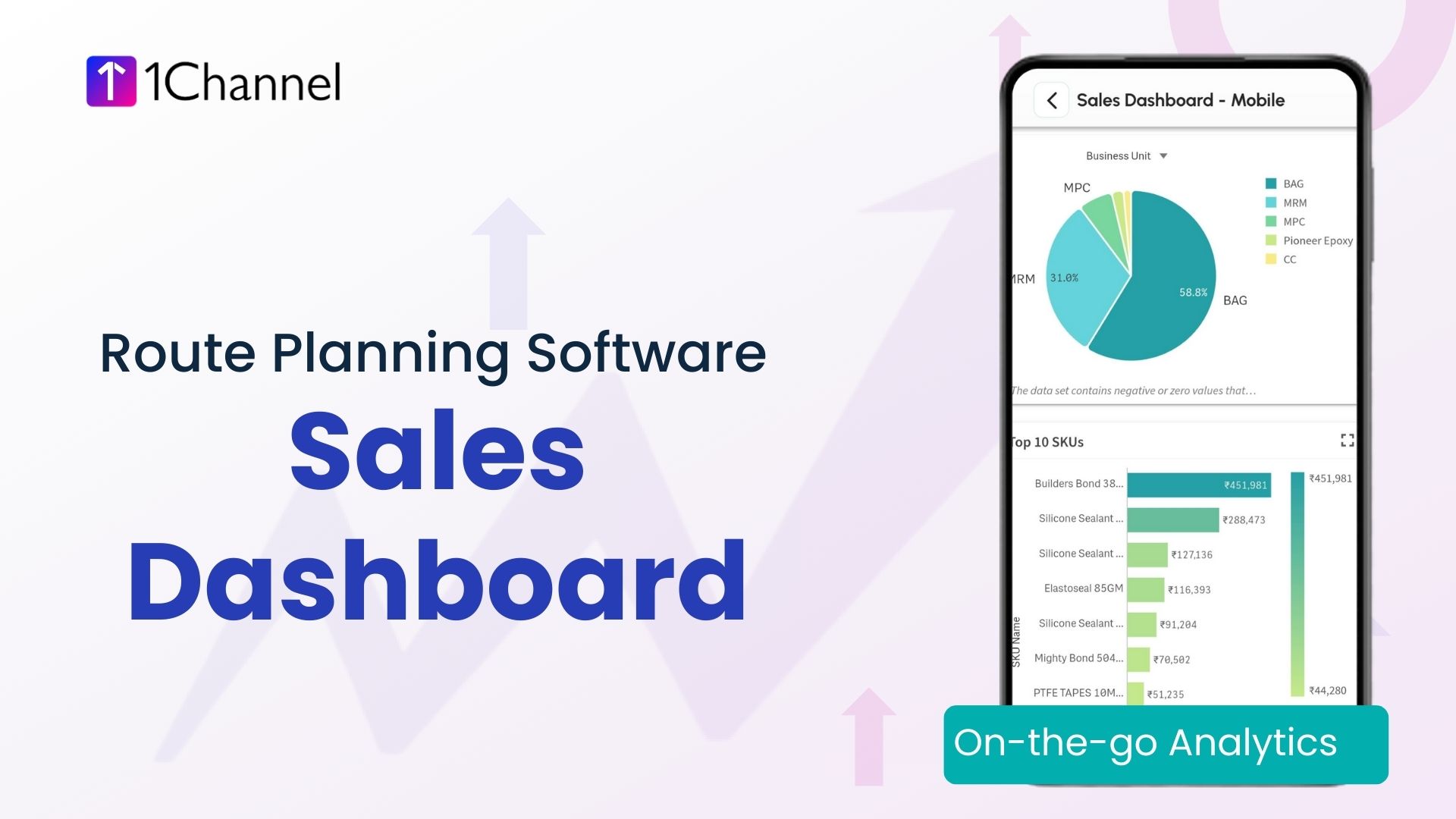
When every visit produces structured data (stock levels, order values, customer feedback, and photographic evidence), sales managers have reliable information to make decisions about territory allocation, product distribution, and promotional strategies. AI-powered analytics dashboards can surface patterns in this data, such as which routes generate the highest order values or which outlets respond best to specific product categories.
Optimise Your Field Sales Routes
1Channel's SFA platform includes beat plan management, GPS-verified visit tracking, beat compliance reporting, and route analytics to help field teams cover more ground in less time.
Book a Free Demo →Frequently Asked Questions
Why is route planning important for field sales teams?
Route planning ensures that reps visit the right outlets on the right days in an efficient geographical sequence. This increases the number of visits per day, prevents duplicate visits, and ensures every customer receives attention at the frequency they need.
How does route planning software help with customer visits?
It creates structured daily visit schedules based on outlet locations and priority. Reps see their planned visits in the mobile app, check in with GPS verification at each stop, and complete assigned activities during the visit. Managers can track completion in real time.
Can managers control which locations employees visit?
Yes. Managers create and approve beat plans that assign specific outlets to specific reps on specific days. The system supports daily, weekly, and weekday-based plans with the flexibility to reassign outlets or adjust frequencies as needed.
How does the software prevent duplicate visits?
Every outlet is assigned to a specific rep through the store management and beat plan system. The shared portal shows which visits have been completed and which are pending, so team members and managers always know the current status without relying on phone calls or messages.
What kind of reporting does route planning software provide?
It generates beat compliance reports (plan vs. actual visits), visit productivity reports (outlets covered per day per rep), user activity reports (distance travelled, time between stops), and sales productivity reports (orders captured per visit). All reports are downloadable in Excel format.
Does it work for businesses of all sizes?
Yes. A small distributor with 10 field reps benefits from route planning just as much as a national FMCG company with 200 reps. The system scales by adding more stores, users, and territories without changing the underlying workflow.
Final Words
Route planning is one of those operational capabilities where the impact is straightforward to measure. More visits per day means more customer touchpoints. Fewer duplicate visits means better resource utilisation. Optimised routes mean lower travel costs. Structured visit data means better sales decisions.
For Malaysian businesses managing field teams across congested urban areas and geographically spread territories, route planning software transforms field sales from an unstructured, hard-to-measure activity into a disciplined, data-driven operation.
1Channel's Sales Force Automation platform includes comprehensive route planning with beat plan management, GPS-verified visits, and real-time compliance tracking. Get in touch to see how it fits your field operation.