What does the first 60 seconds of a loyalty program actually look like for the user signing up? For most Malaysian brands, the answer separates the programs that grow from the ones that stall. Onboarding speed, the data the program asks for upfront, and the channel the user signs up through all decide whether the member completes enrolment or drops at the first form field. The cloud platform behind the program is what makes the choice configurable.
Table of Contents
Four Paths to Enrolment
Loyalty programs differ in who triggers the enrolment. The cloud platform supports four paths so brands can pick the one that fits the audience:
Self-Registration by Participants
The user signs up directly through the app, web form, or QR code. Best for high-volume programs where the brand wants minimal friction at the gate.
Backend Enrolment by Program Owners
The program admin enrols a participant on their behalf. Common for B2B loyalty where the brand collects partner data offline and uploads it in bulk through an automated import.
Nomination-Based Enrolment
An existing member nominates a new one. The platform tracks the referral chain automatically and applies any reward rules linked to the nomination.
System-Integrated Enrolment
The enrolment happens through an upstream system, such as CRM, POS, or distributor portal. The integration pushes the member record into the loyalty platform automatically when the qualifying event fires.
Securing the Login Without Adding Friction
Most loyalty programs land on OTP-based login. The user enters their mobile or email at sign-up, the cloud platform sends an automated OTP, and the verified contact becomes the credential. No password to remember, no recovery flow to support. AI-assisted fraud checks run in the background to catch fake numbers or repeat enrolments from the same device, so the program stays clean without putting the legitimate user through extra hoops at the entry point.
Collecting KYC Without Stalling Onboarding
KYC requirements vary by program: some need only a name and number, others require ID verification for higher-value rewards. The cloud platform makes the KYC fields configurable per program, so a basic rewards program asks for nothing beyond contact details while a regulated cash-back program collects the full document upload. Optional fields stay optional, mandatory fields are flagged at the right step, and the automation keeps the form short by hiding fields the specific program does not need.
How 1Channel Powers the Enrolment Engine
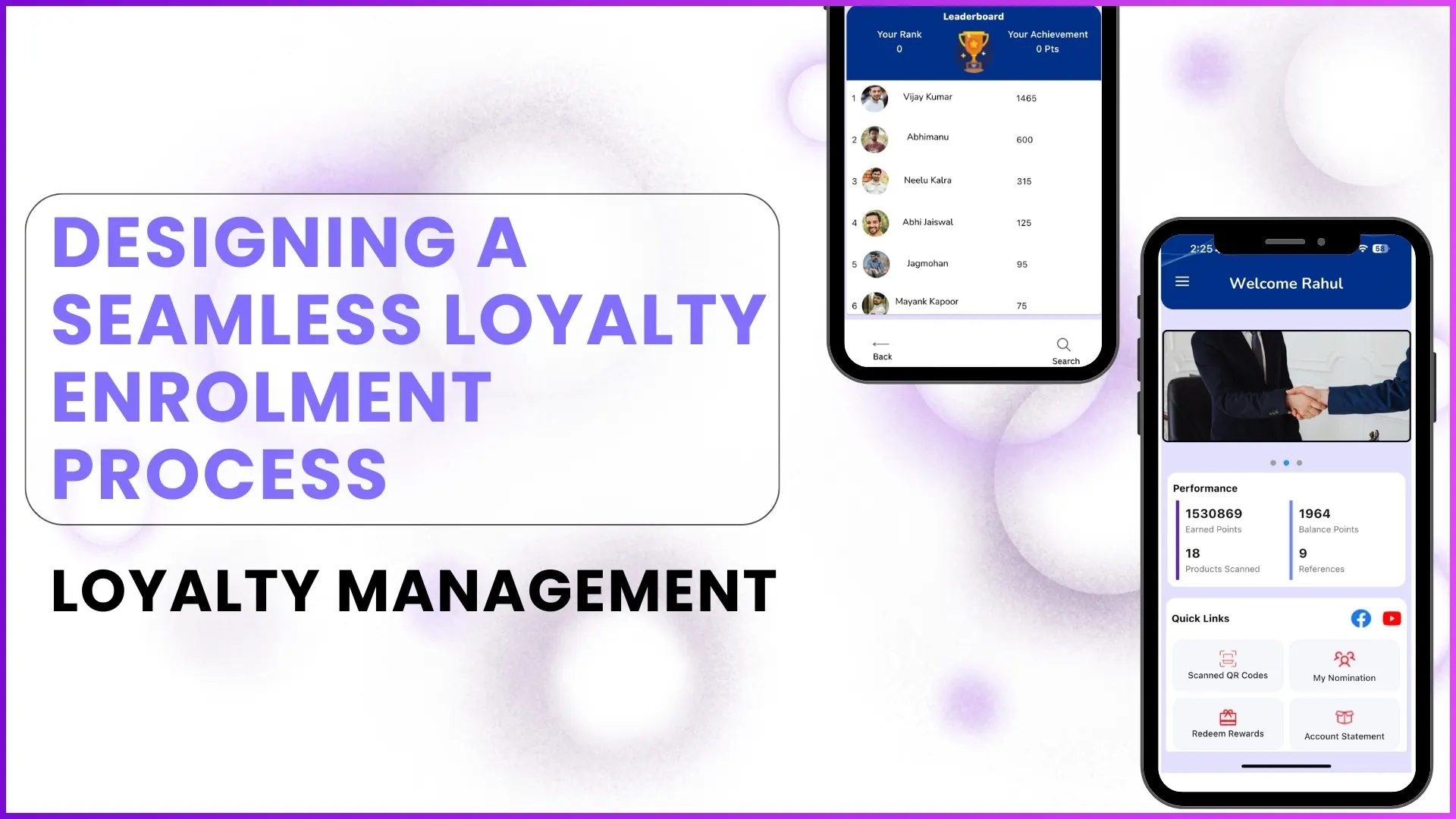
1Channel runs loyalty enrolment through its cloud Loyalty Management module. The four enrolment paths sit on the same platform, configurable per program through the admin console. OTP-based login is built in, with 1Channel's AI fraud detection running on phone-number patterns and device fingerprinting. KYC fields are pulled from a configurable schema, so launching a new program does not require code changes. 1Channel handles automated welcome messages, reward calculations from day one, and profile updates through the member-facing app. Brands launching multiple programs reuse the same enrolment infrastructure on 1Channel, so each new program inherits the security and configurability of the previous ones without rebuilding the stack.
Explore Loyalty Program Software
1Channel's cloud loyalty platform handles enrolment, OTP login, AI fraud detection, and KYC for Malaysian brand programs of any size.
Explore Loyalty Program Software →Implementation Snapshot
A practical sequence for launching the enrolment flow:
- Pick the primary enrolment path. Self, backend, nominated, or integrated, based on the program audience.
- Configure KYC fields. Match them to the program's regulatory and reward requirements.
- Set up the OTP channel. SMS, email, or WhatsApp, depending on the user base preference.
- Define the welcome flow. It fires automatically once enrolment confirms, with reward eligibility kicking in from day one.
- Pilot with an internal test cohort. Catch drop-off in the form before opening it to the field.
- Monitor enrolment in the dashboard. Adjust fields that cause friction once real data lands.