A government platform now tracks 8,343 products across 525 shops, and retailers across the UAE have pledged to hold staple prices while import routes shift.
The pressure lands first on FMCG distribution, and it reaches retail and modern trade chains, consumer durables importers and cosmetics suppliers that share the same freight routes.
Here is what was reported, what it means for the distributors behind those shelves, and where price and stock visibility fits.
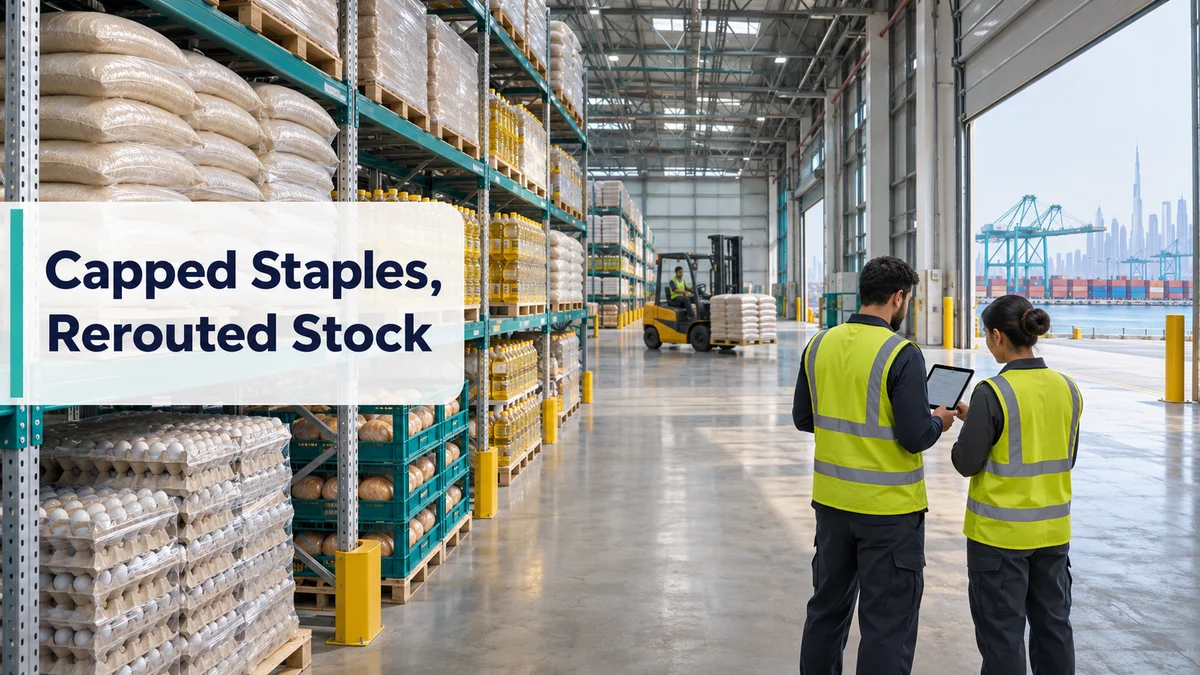
What UAE Retailers Have Pledged
Reporting by The National describes a Ministry of Economy and Tourism platform, launched in April, that monitors prices at 525 shops run by 13 major retailers.
Nine essential goods get closer scrutiny: cooking oil, eggs, dairy, rice, sugar, poultry, legumes, bread and wheat.
Raising their prices needs approval from the ministry and a national committee.
LuLu said it is absorbing part of the extra cost and has chartered vessels to speed up deliveries.
Al Ain Farms described fallback plans that include Fujairah port, suppliers in neighbouring countries and air freight.
Dubai food inflation still rose to 8.05% in September from 7.39% in August.
An analyst quoted in the report noted shoppers making more trips but spending less on each.
What It Means for FMCG Distributors
Retailers can only hold prices if the numbers behind them hold.
When goods arrive through a different port, road corridor or air freight, landed cost and available stock can change faster than a monthly price review.
Distributors sit in the middle. They need the right price applied to the right customer, and an honest view of stock before a rep promises a delivery.
More frequent, smaller shopping trips can also mean more frequent restocking decisions, so stock accuracy matters at every drop, not just at month end.
How 1Channel Keeps Pricing and Stock Visible Along the Chain
1Channel's distributor management system holds price lists by customer, customer type and geography, with a fixed order for which price applies when more than one could.
Field reps see the mapped distributor's available stock for each SKU in the order catalogue, and low-stock alerts surface gaps before they become missed orders.
Goods received against a changed supply route show up in inventory as soon as the goods received note is completed, so stock movements stay in one ledger.
Know Which Price Applies and What Stock Is Left
See how 1Channel's pricing management brings customer, customer-type and geography price lists into one place for UAE distributors.
Explore Pricing Management →Final Suggestions
- Review price lists when a supply route or landed cost changes. Do not wait for the next scheduled review.
- Check available stock per SKU before committing to an order. A promised delivery is only as good as the stock behind it.
- Keep one record of goods received. Rerouted shipments should be counted once, in one place.
- Watch the nine controlled categories closely. Any price change there needs approval, so the data has to be ready before the request.
Source: The National