Meta has expanded its wearable AI portfolio with the launch of a new range of AI-powered smart glasses developed in partnership with EssilorLuxottica. Starting at $299, the new lineup introduces advanced artificial intelligence capabilities, hands-free photography, live translation, voice-powered assistance, and improved contextual awareness in a lightweight wearable form factor.
The launch reflects a broader technology trend: AI is increasingly moving beyond smartphones and computers into devices that can assist users throughout their daily activities. While Meta's latest smart glasses are designed primarily for consumers, the technology also highlights how wearable AI could influence the future of frontline work across industries.
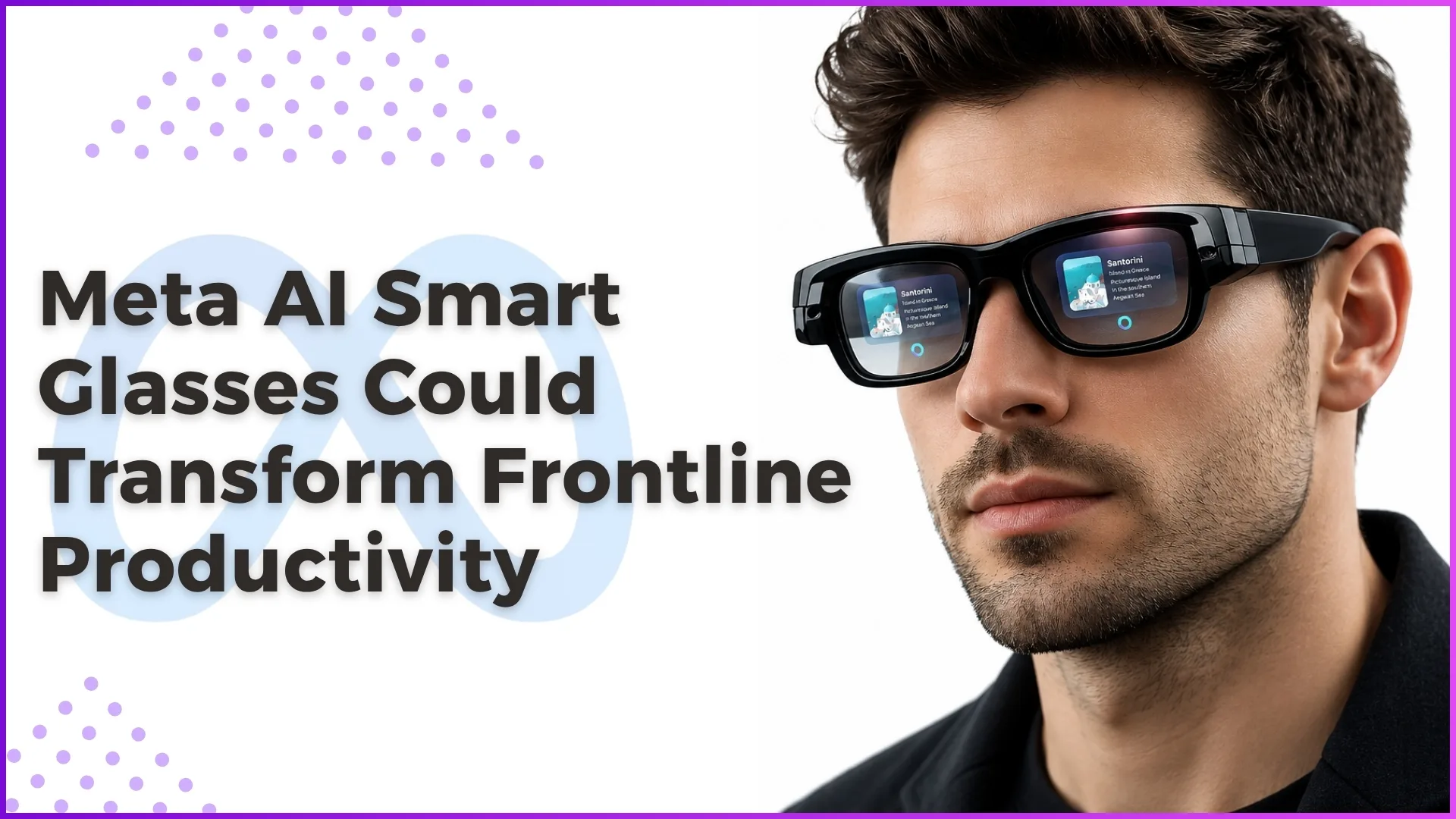
Meta Introduces a New Generation of AI Smart Glasses
The new Meta Glasses lineup includes multiple frame styles and a special edition inspired by Kylie Jenner's personal style. Users can choose from a variety of frame colours and lens options, including prescription lenses.
The glasses feature:
- Hands-free photo and video capture
- Open-ear speakers for calls and audio
- Voice-controlled AI assistance
- Real-time contextual information
- Live translation across multiple languages
- Navigation support
- More than eight hours of battery life
Meta has also introduced AI capabilities powered by Muse Spark, allowing the glasses to better understand a user's surroundings and provide relevant assistance through natural voice interactions.
According to Meta, users can ask questions about what they are seeing, receive recommendations, access information, manage schedules, and perform various tasks without needing to interact with a smartphone screen.
The Growing Shift Toward Wearable AI
Artificial intelligence is rapidly becoming more accessible through everyday devices. Over the past few years, AI assistants have become common on smartphones, computers, and smart speakers.
Wearable devices represent the next stage of this evolution.
Instead of requiring users to stop what they are doing and open an application, wearable AI aims to provide information and assistance while users remain focused on their tasks. This creates opportunities for more seamless interactions and faster access to information.
As AI models become more capable of understanding voice, images, and environmental context, wearable devices are expected to play an increasingly important role in how people work and communicate.
What Could This Mean for Frontline Teams?
Many industries rely on employees who spend most of their time outside traditional office environments. Sales representatives, merchandisers, service technicians, delivery personnel, and retail field teams often need to collect information, navigate multiple locations, and make decisions while on the move.
Technologies such as AI-powered smart glasses demonstrate how future workplace tools could become more hands-free and context-aware.
For example, wearable AI could potentially help frontline workers:
- Access information through voice commands
- Receive contextual guidance during tasks
- Capture photos and observations more efficiently
- Navigate unfamiliar locations
- Communicate across language barriers
- Reduce the need to constantly switch between devices
While many of these use cases are still evolving, the direction of innovation suggests that AI will continue moving closer to the point where work is actually performed.
Potential Applications in Retail and Field Operations
Retail and field operations are among the sectors that could benefit from advancements in wearable AI technologies.
Field teams often spend significant time visiting stores, collecting market information, monitoring product availability, checking promotional execution, and documenting observations.
Future wearable AI solutions could potentially make these activities faster and more intuitive by enabling hands-free access to information and simplifying data collection processes.
Similarly, multilingual communication features could prove valuable for global organizations operating across diverse markets and regions.
Although widespread enterprise adoption of AI wearables is still developing, innovations like Meta's latest smart glasses offer a glimpse into how frontline technology may evolve in the years ahead.
The Future of Work Is Becoming More Intelligent
The launch of Meta's new AI smart glasses is another indication that artificial intelligence is becoming increasingly integrated into everyday experiences.
As wearable devices become more capable, businesses will continue exploring how AI can help employees work more efficiently, access information faster, and make better decisions in real time.
While the long-term impact of wearable AI remains to be seen, the technology demonstrates how the future of work is gradually becoming more connected, intelligent, and context-aware.
Explore Retail Execution Platform
Final Thoughts
Meta's latest smart glasses showcase the growing convergence of artificial intelligence and wearable technology. Beyond their consumer appeal, these devices highlight broader trends that could influence the future of frontline productivity across multiple industries.
As organizations continue their digital transformation journeys, emerging technologies such as AI-powered wearables will be worth watching closely for their potential to reshape how work gets done in the field.
Businesses looking to improve retail execution, field visibility, and sales productivity today can already leverage digital solutions that help streamline field operations, improve reporting accuracy, and enhance decision-making across distributed teams.