Loyalty programs are designed to motivate partners, influencers, and channel participants by rewarding their engagement with measurable benefits. One of the most commonly used reward structures in loyalty applications is the "One Point Equals One Rupee" model.
This model simplifies the way users earn and redeem rewards, making loyalty programs transparent and easy to understand. In this blog, we explain how this model works inside loyalty applications, how points are earned, and how users redeem them.
What Is the One Point Equals One Rupee Model?
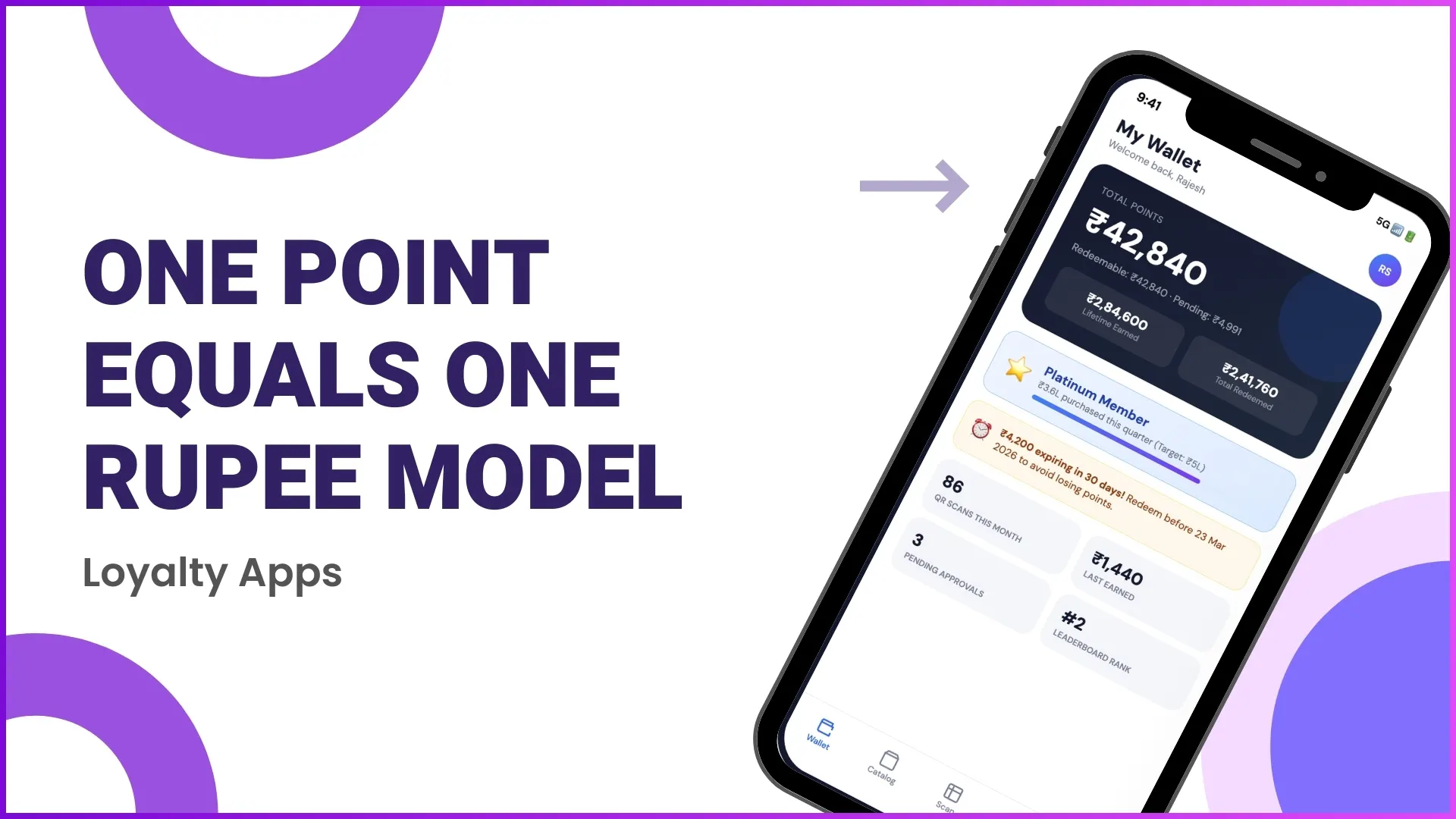
The One Point Equals One Rupee model is a reward structure where every point earned by a participant holds a direct monetary value of one rupee. This means the user can convert their accumulated points into the same value in cash rewards, vouchers, or bank transfers.
For example:
- 100 points = ₹100
- 500 points = ₹500
- 1000 points = ₹1000
This straightforward conversion eliminates confusion and helps program participants clearly understand the value of their rewards.
In many loyalty programs, this model is used because it provides clarity and makes redemption simple for users.
Simplify Reward Redemption with Clear Point Values
1Channel Rewards Program Software supports the One Point Equals One Rupee model with flexible earning mechanisms, instant redemption options, and comprehensive reward catalogs to keep your partners engaged.
Explore Rewards Program Software →Why Loyalty Programs Use This Model
Loyalty platforms aim to keep participants engaged and motivated. A simple reward structure plays a major role in achieving this goal.
The One Point Equals One Rupee system offers several advantages:
1. Simple to Understand
Users instantly know the value of their rewards. If they see 200 points in their account, they immediately know it equals ₹200.
2. Higher Engagement
When users clearly understand their reward value, they are more motivated to perform activities that earn them points.
3. Transparent Rewards
Participants trust the system more when the point value is clearly defined and directly linked to money.
4. Faster Redemption Decisions
Users do not need to calculate reward conversions or check complicated point tables.
How Points Are Earned in Loyalty Apps
Points in loyalty applications can be earned through several activities depending on the program design. These methods are configurable and vary by client requirement.
1. Sales-Based Point Allocation
In some loyalty programs, partners earn points based on their sales performance. Sales data may be received from external systems such as ERP or DMS through integrations.
For example:
- A retailer performs sales worth ₹5,00,000 in a quarter.
- Based on predefined slabs, they may earn a percentage of that sales value as points.
Programs often include tiered structures such as:
- Silver Tier: ₹5–8 lakh sales
- Gold Tier: ₹8–12 lakh sales
- Higher Tier: Above ₹20 lakh
Each tier has its own point allocation logic configured in the system.
2. QR Code Scanning
Another common method of earning points is QR code scanning.
Here is how it works:
- Unique QR codes are generated for products.
- These QR codes are placed on product packaging.
- A partner or influencer scans the QR code through the loyalty app.
- The system validates the code and credits points.
Each product SKU can have a predefined point value.
Example:
- Product A scan → 100 points
- Product B scan → 200 points
The system also ensures that a QR code cannot be scanned multiple times by different users.
3. Invoice-Based Purchase Entry
In some programs, participants manually upload purchase details.
The process works like this:
- The participant fills a purchase form in the app.
- Details such as product type, quantity, invoice value, and retailer name are entered.
- An invoice image is uploaded as proof.
- The entry goes through approval stages.
- Once approved, points are credited.
For example:
- Purchase of 2 metric tons of material → 100 points
Points are credited only after final approval by the sales team.
Viewing Points and Transaction History
Loyalty applications provide users with a detailed account statement, similar to a financial ledger.
Participants can see:
- Points credited
- Points redeemed
- Transaction dates
- Activity source (QR scan, purchase entry, sales data)
This transparency helps users track their progress and monitor their rewards over time.
How Redemption Works in the One Point Equals One Rupee Model
Once users accumulate points, they can redeem them using different methods.
1. Direct Bank Transfer or UPI
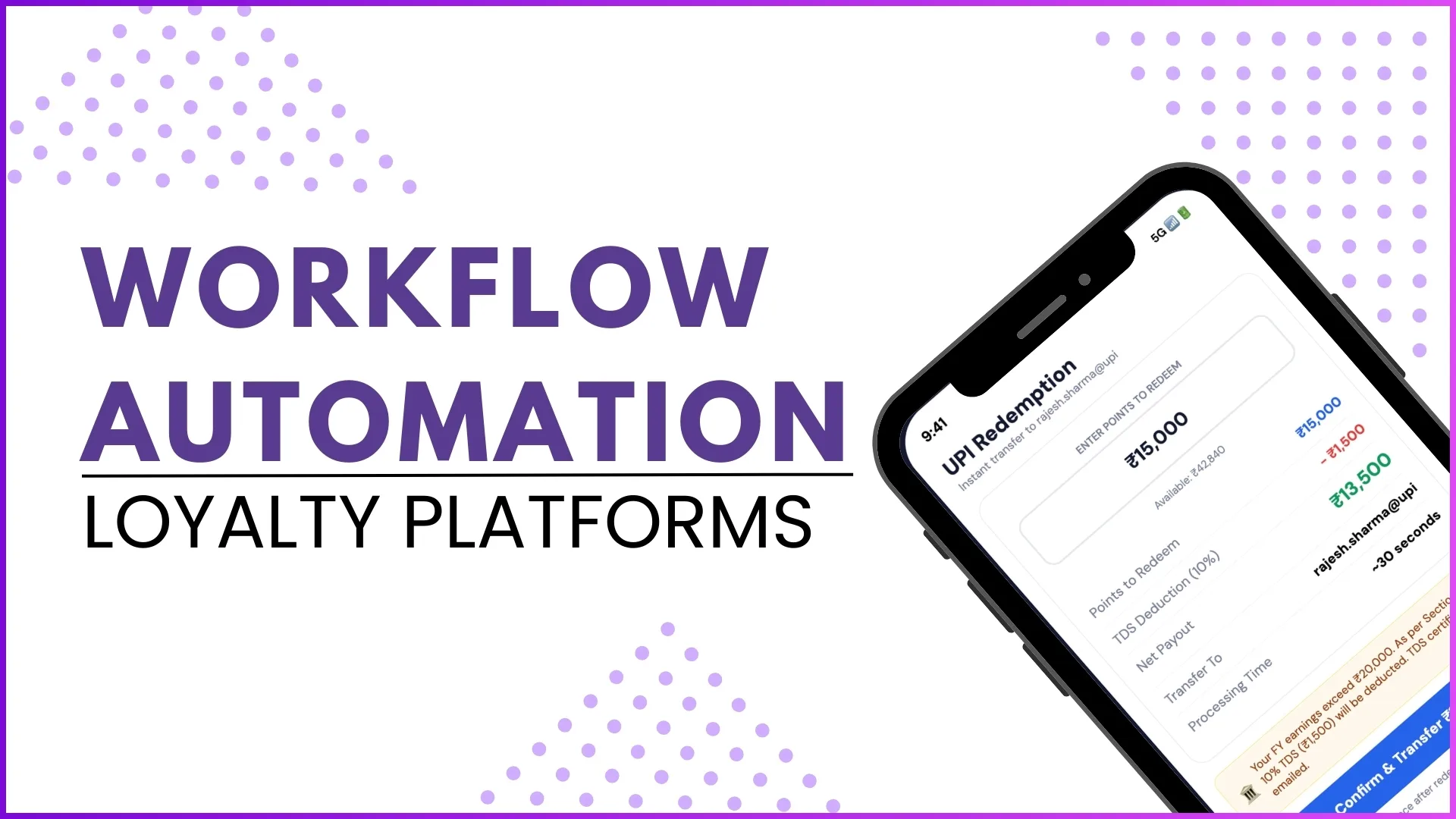
Users can transfer their points directly to their bank account or UPI.
Example:
- User has 1968 points
- They choose to redeem 100 points
- ₹100 is transferred to their bank account or UPI.
Some platforms support instant payouts, while others process requests manually within a fixed cycle.
2. Gift Cards and Vouchers
Another redemption option is selecting rewards from a voucher catalogue.
Examples include:
- E-commerce gift cards
- Retail brand vouchers
- Digital reward coupons
Once the user redeems points, the voucher code and details are sent directly to their mobile device.
3. Physical Rewards
Some programs also provide physical products such as:
- Electronics
- Home appliances
- Lifestyle items
Orders are processed by a backend team, and the delivery status is updated in the application.
Users can track whether their reward is:
- Processing
- Shipped
- Delivered
Additional Features That Support the Reward Model
The One Point Equals One Rupee system works best when combined with engagement features within the loyalty application.
Common features include:
Gamification
- Leaderboards
- Spin-the-wheel rewards
- Scratch cards
- Contests
Notifications and Engagement
Users may receive notifications such as:
- Monthly point balance updates
- Reward redemption alerts
- Birthday or anniversary wishes
- Expiry reminders for unused points
These features help maintain continuous participation in the program.
Promotional Section: Powering Loyalty Programs with 1Channel
Modern loyalty programs require a powerful platform to manage partner engagement, reward distribution, and program analytics.
1Channel Loyalty supports flexible reward models such as the One Point Equals One Rupee system, allowing businesses to easily configure point allocation, redemption options, approval workflows, and program dashboards.
With configurable earning mechanisms like QR scanning, invoice uploads, and integrated sales data, businesses can build highly engaging loyalty programs that motivate partners while maintaining complete visibility and control.
Build Transparent Loyalty Programs with Flexible Point Models
1Channel Loyalty Management Software delivers comprehensive reward management with configurable point allocation, multiple redemption channels, gamification features, and real-time analytics to drive partner engagement.
Explore Loyalty Management Software →FAQs
1. What does One Point Equals One Rupee mean in a loyalty program?
It means that every reward point earned by a user has a monetary value equal to ₹1, making redemption simple and transparent.
2. How do users earn points in loyalty apps?
Points can be earned through activities such as sales performance, QR code scanning, or invoice-based purchase submissions.
3. Can users redeem points directly as cash?
Yes. In many loyalty programs, users can transfer their points directly to their bank account or UPI.
4. Are points redeemable for vouchers?
Yes. Users can redeem points for digital vouchers, gift cards, or other rewards depending on the program catalogue.
5. Do loyalty apps track transaction history?
Yes. Loyalty applications maintain a detailed account statement showing point credits, redemptions, and activity history.