In channel-driven industries, distributors play a crucial role in driving product reach and market penetration. However, motivating distributors consistently can be challenging without a structured reward mechanism.
Tier-based incentive programs address this challenge by rewarding distributors according to their performance levels, encouraging higher engagement and stronger sales outcomes.
A tier-based structure allows companies to define multiple performance bands where distributors earn rewards based on sales achievements or predefined thresholds. This not only drives competition but also gives distributors clear targets to work toward.
This article explains how tier-based incentives work, how they are implemented in loyalty programs, and why they are effective for distributor engagement.
What Are Tier-Based Incentives for Distributors?
Tier-based incentives are structured reward systems where distributors earn benefits based on predefined performance slabs or tiers. Each tier corresponds to a specific level of achievement, usually based on sales volume, revenue targets, or activity levels.
Instead of offering the same incentive to every participant, the program categorizes distributors into different performance bands. As distributors move to higher tiers, they receive increased rewards or higher point allocations.
This model ensures that high-performing distributors are recognized and rewarded while also motivating others to improve their performance.
Engage Retailers with Performance-Based Rewards
1Channel's Retailer Loyalty Program enables tier-based incentive structures, automated tracking, and seamless reward distribution. Motivate your retail partners with clear targets and progressive rewards.
Explore Retailer Loyalty Program →How Tier-Based Incentive Programs Work
In a typical loyalty or incentive program, companies define the rules that determine how distributors move across tiers and earn rewards.
These rules are configured within the system based on the program design and objectives. For example, distributors may earn points based on the value of their sales within a specific period. Once their sales reach certain thresholds, they move into higher tiers and become eligible for higher reward percentages.
A program might include slabs such as:
- Entry tier for distributors reaching the minimum sales threshold
- Mid-level tier for distributors achieving moderate sales targets
- Top-tier category for high-performing distributors exceeding higher sales bands
Each tier may offer a different percentage of points or incentives on the total sales value.
For example, a program can define sales bands within a quarter where distributors who reach a certain sales range earn a percentage-based reward, while those exceeding the next threshold move to a higher tier with improved benefits.
Key Components of Tier-Based Incentive Programs
A well-designed tier-based distributor program includes several components that ensure transparency, engagement, and measurable outcomes.
1. Defined Performance Slabs
The foundation of a tier-based incentive model is the creation of sales slabs or performance bands. Each slab defines the minimum and maximum achievement levels required to qualify for that tier.
For example, a distributor achieving a specific sales range within a quarter may fall under a mid-tier category, while those exceeding higher sales thresholds may qualify for a premium tier.
This structure helps create progressive motivation across the distributor network.
2. Percentage-Based Reward Allocation
Each tier can have a defined reward percentage that determines how many points or incentives a distributor earns based on their performance.
For instance, distributors in lower tiers may receive a smaller percentage of incentives, while those in higher tiers receive increased reward percentages.
This ensures that higher sales performance translates into better rewards.
3. Threshold Limits
To maintain program sustainability, companies often define maximum earning limits within a period.
Even if a distributor achieves extremely high sales, the system can apply a cap on how many points or incentives they can earn within a specific cycle, such as a quarter.
These thresholds help control program liability while maintaining fairness.
4. Automated Sales Data Integration
Sales data can be automatically integrated from distributor management systems or ERP platforms.
Once the system receives the distributor sales data, the program logic calculates eligibility, assigns tiers, and allocates reward points accordingly.
Automation ensures accuracy and reduces manual intervention.
5. Performance Visibility for Distributors
Distributors can track their performance through dashboards that display their total sales, points earned, and current tier status.
These dashboards provide transparency and allow distributors to understand how close they are to reaching the next tier.
Performance insights often include:
- Total points earned
- Active points available for redemption
- Sales transactions
- Redemption history
This visibility keeps distributors engaged and motivated.
Ways Distributors Earn Points in Incentive Programs
Tier-based incentives can be integrated with multiple methods of performance tracking.
Sales-Based Tracking
Distributors earn incentives based on their recorded sales transactions. The system receives periodic sales data and allocates points based on predefined rules and tier slabs.
QR Code-Based Tracking
Products can carry unique QR codes. When channel partners scan these codes after selling or installing products, they receive points associated with that product SKU.
Invoice-Based Tracking
Distributors or influencers can upload invoice details within the system. The purchase information is validated through approval workflows before reward points are credited.
These mechanisms allow companies to adapt the program according to the distribution model.
Reward Redemption Options
Once distributors earn points through tier-based incentives, they can redeem them through multiple reward options.
Typical redemption methods include:
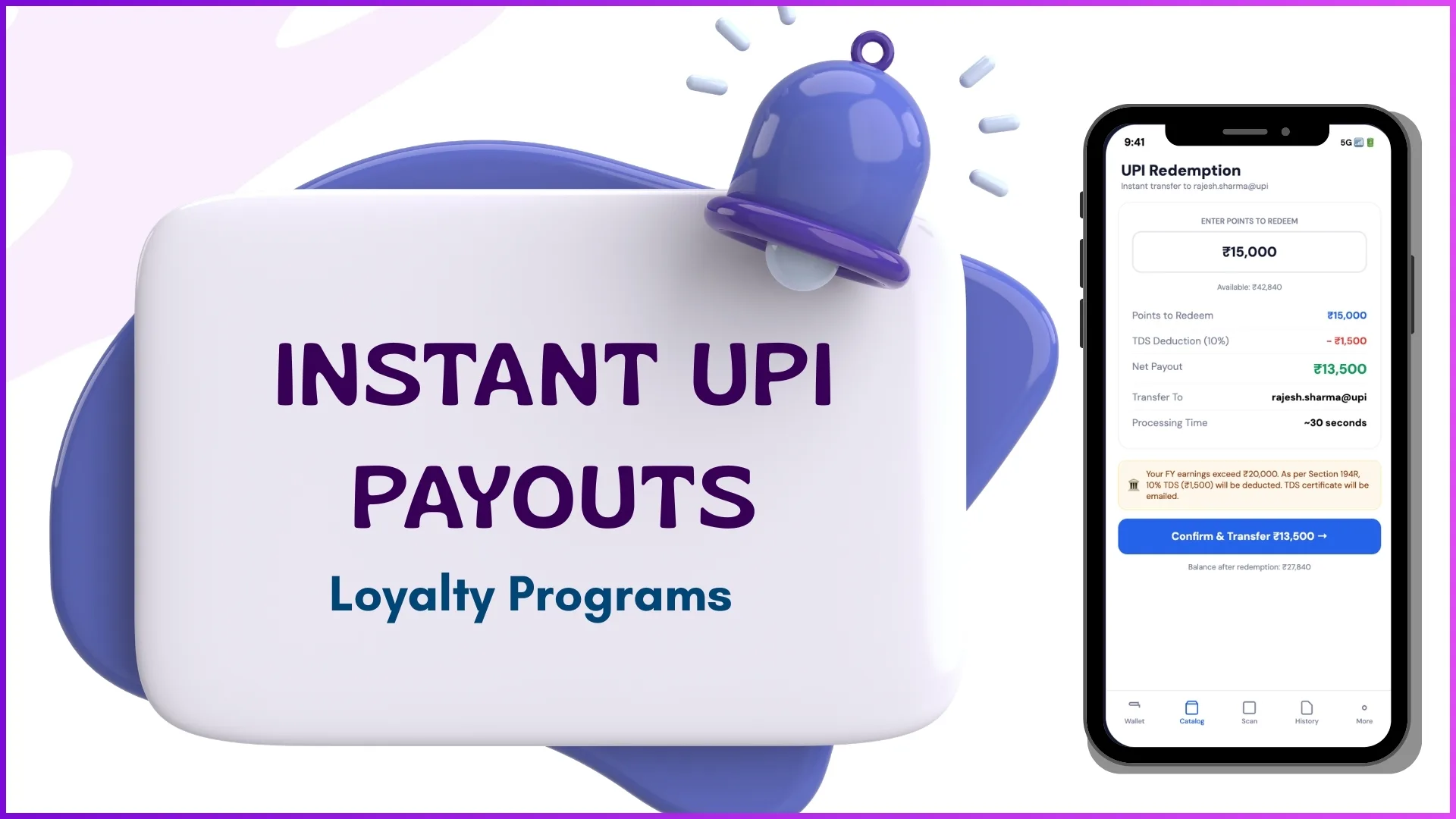
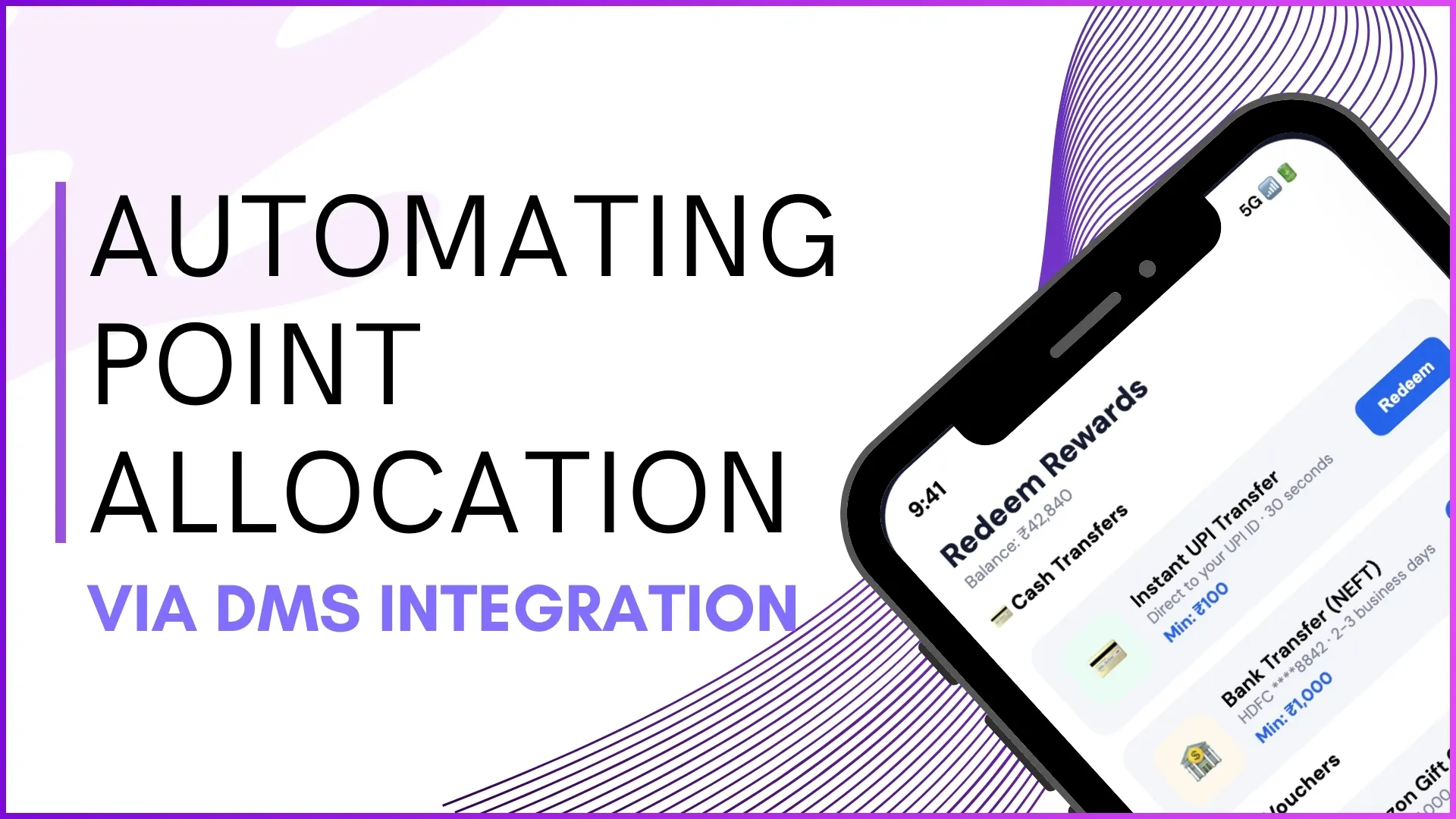
- Direct bank or UPI transfers
- Gift cards and digital vouchers
- Physical rewards such as electronics or appliances
In some programs, points are directly converted into monetary value where each point corresponds to a specific currency value.
This flexibility makes the incentive program more appealing to distributors.
Gamification and Engagement in Tier-Based Programs
To enhance participation, tier-based incentive programs often include gamification features.
Examples include:
- Leaderboards showing top performers
- Regional or national ranking systems
- Quarterly contests
- Progress tracking toward next tiers
Distributors can also receive notifications about their targets, points balance, or expiring rewards. These engagement features help maintain consistent participation throughout the program lifecycle.
Benefits of Tier-Based Incentives for Distributor Networks
Tier-based incentive programs offer multiple advantages for companies managing large distributor networks.
Stronger Sales Motivation
Clear sales slabs encourage distributors to push beyond minimum targets to reach higher tiers.
Performance-Based Rewards
Top-performing distributors receive higher incentives, ensuring fair recognition for their contribution.
Structured Program Management
Tier structures allow companies to define clear incentive rules, making program management easier and more transparent.
Better Distributor Engagement
With dashboards, rewards, and progress tracking, distributors remain actively engaged with the program.
Scalable Incentive Strategy
Tier-based systems can support small distributor networks as well as large multi-region partner ecosystems.
How 1Channel Loyalty Enables Tier-Based Distributor Incentive Programs
Businesses looking to implement structured distributor incentive programs need a platform that can manage enrolment, performance tracking, reward allocation, and redemption in a single ecosystem.
1Channel Loyalty Software enables organizations to design customized tier-based incentive programs for distributors, retailers, and channel partners.
The platform supports configurable tier structures, automated sales integrations, QR and invoice-based tracking, reward catalogues, and performance dashboards.
With real-time insights and configurable workflows, businesses can launch scalable incentive programs that drive distributor engagement and measurable growth.
Build Powerful Distributor Incentive Programs
1Channel's Loyalty Management Software powers tier-based incentive programs with automated tracking, configurable reward structures, and comprehensive analytics. Drive channel partner performance and engagement.
Explore Loyalty Management Software →FAQs
What is a tier-based incentive program for distributors?
A tier-based incentive program rewards distributors based on performance bands or sales slabs. Distributors move into higher tiers as they achieve higher sales targets and receive increased rewards.
How are tiers defined in distributor incentive programs?
Tiers are defined using performance thresholds such as sales value, volume, or activity levels. Each tier represents a specific range of achievement and offers corresponding incentives.
How do distributors earn rewards in these programs?
Distributors can earn rewards through multiple mechanisms such as sales-based tracking, QR code scanning on products, or invoice-based purchase submissions that are validated through approval workflows.
What types of rewards are offered to distributors?
Rewards may include direct monetary transfers, digital vouchers, gift cards, or physical items depending on the program design.
Why are tier-based incentives effective for distributor engagement?
Tier-based incentives create clear performance goals, encourage competition, and ensure that higher-performing distributors receive better rewards, which increases participation and sales motivation across the network.