Warehouse space doesn't scale as easily as order volume does. Most distributors can't just add another rack every time business grows, which means the real lever isn't more space, it's using the space already on hand more efficiently.
The uncomfortable truth is that most warehouse space problems aren't really about size. They're about not knowing what's sitting where, for how long, and whether it should still be taking up room at all.
The Space You Can't See Is the Space You're Wasting
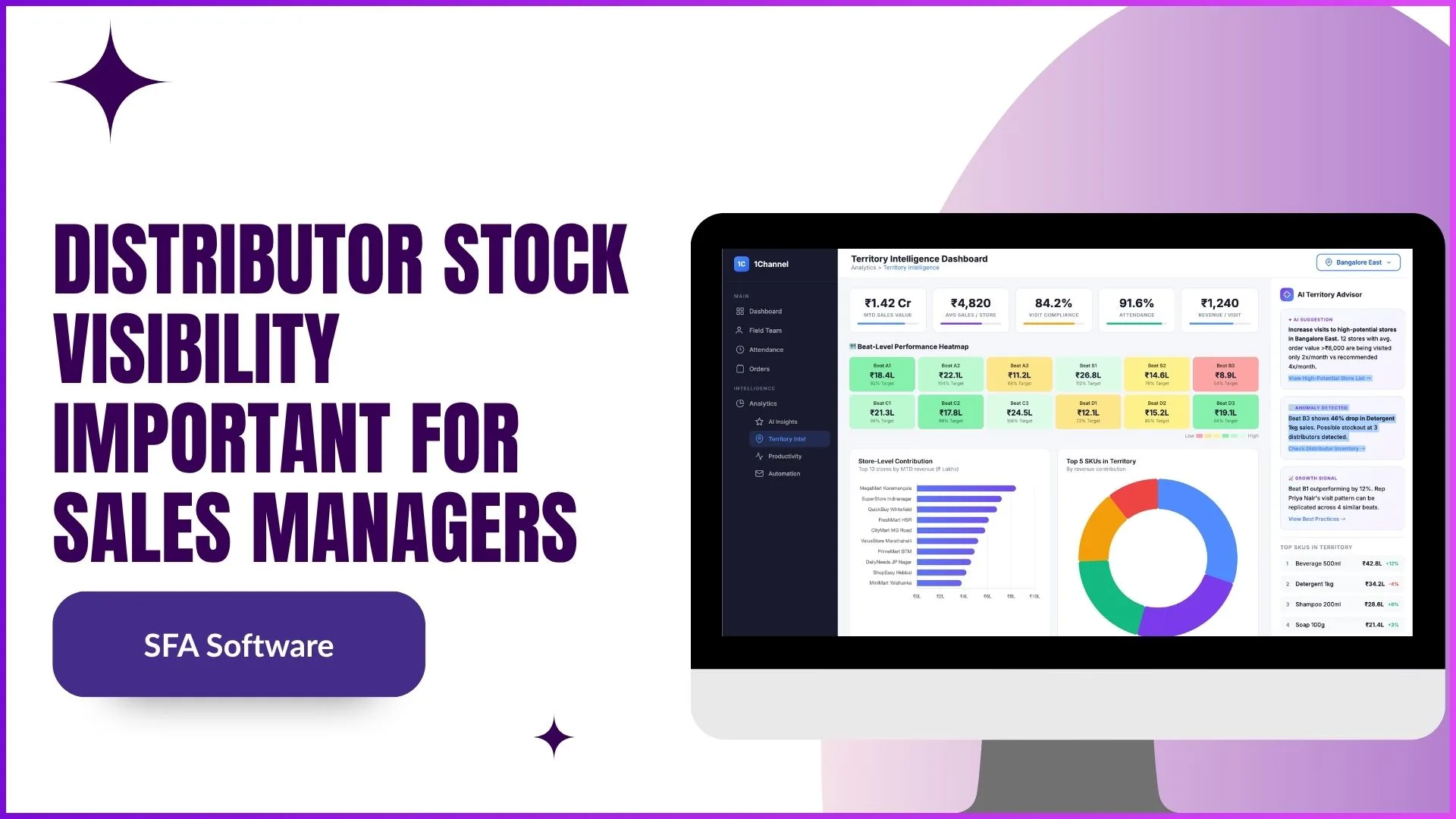
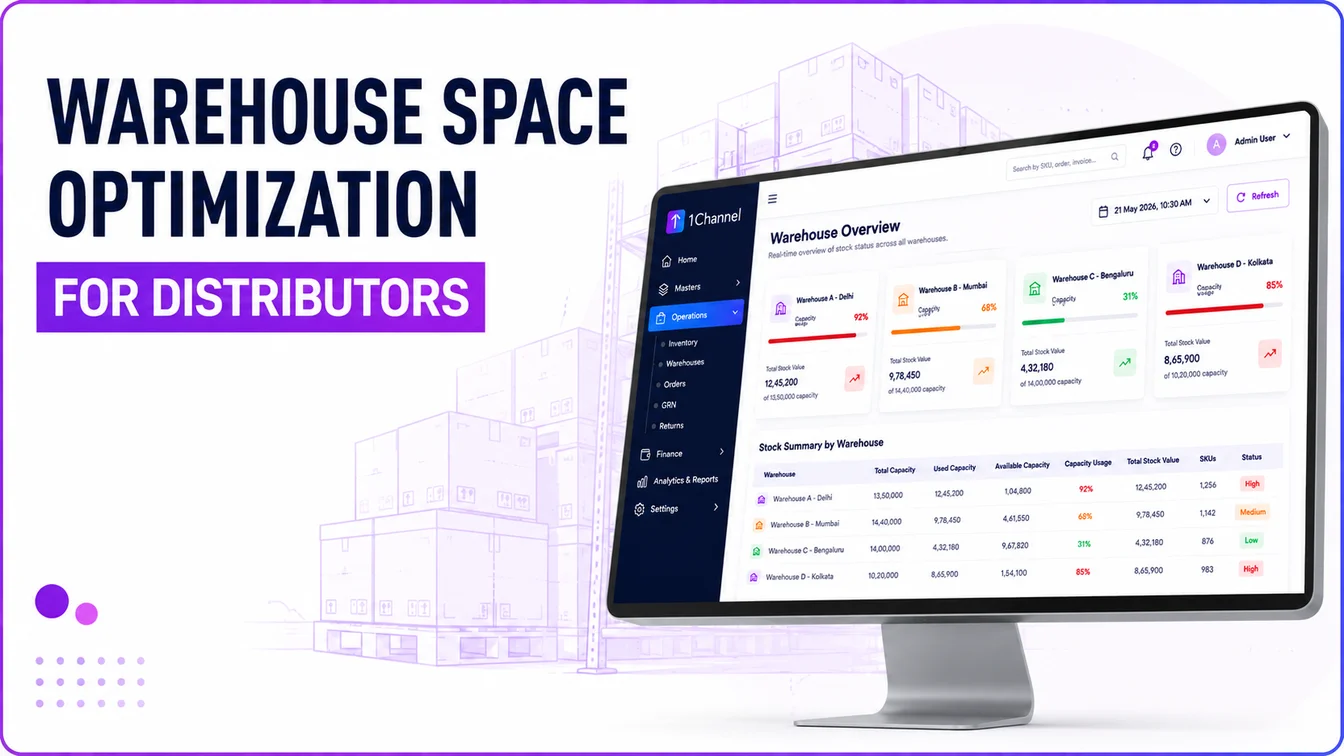
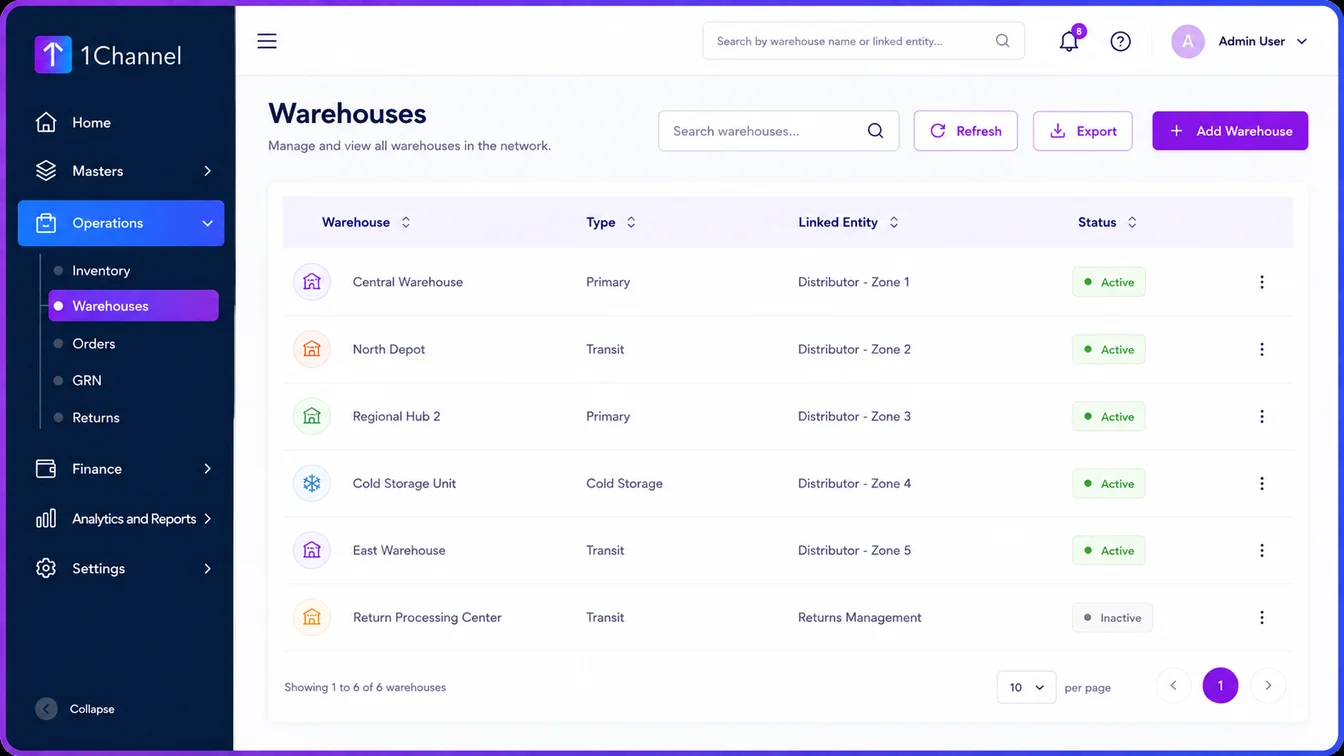
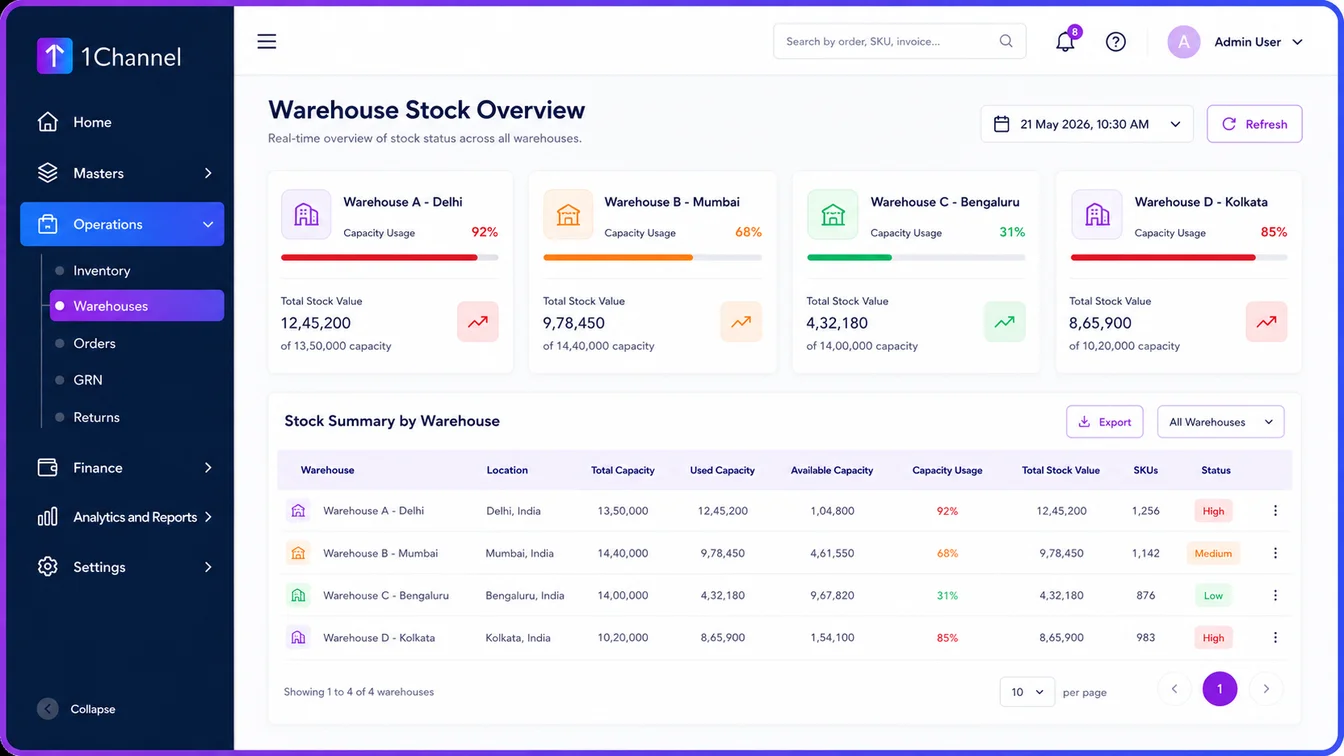
When warehouses are managed as separate silos, with no single view of what's stored across locations, space gets wasted simply because no one can see the full picture. An FMCG distributor might be running low in one warehouse while another sits half-full of stock nobody is actively tracking.
Treating every warehouse as a registered entity, with its own type, linked ownership, and status, is the starting point. On top of that, a consolidated warehouse-wise stock report, showing stock position across every location with summary totals, replaces the habit of checking each warehouse individually.
Stock That's Technically "In Stock" but Not Actually Usable
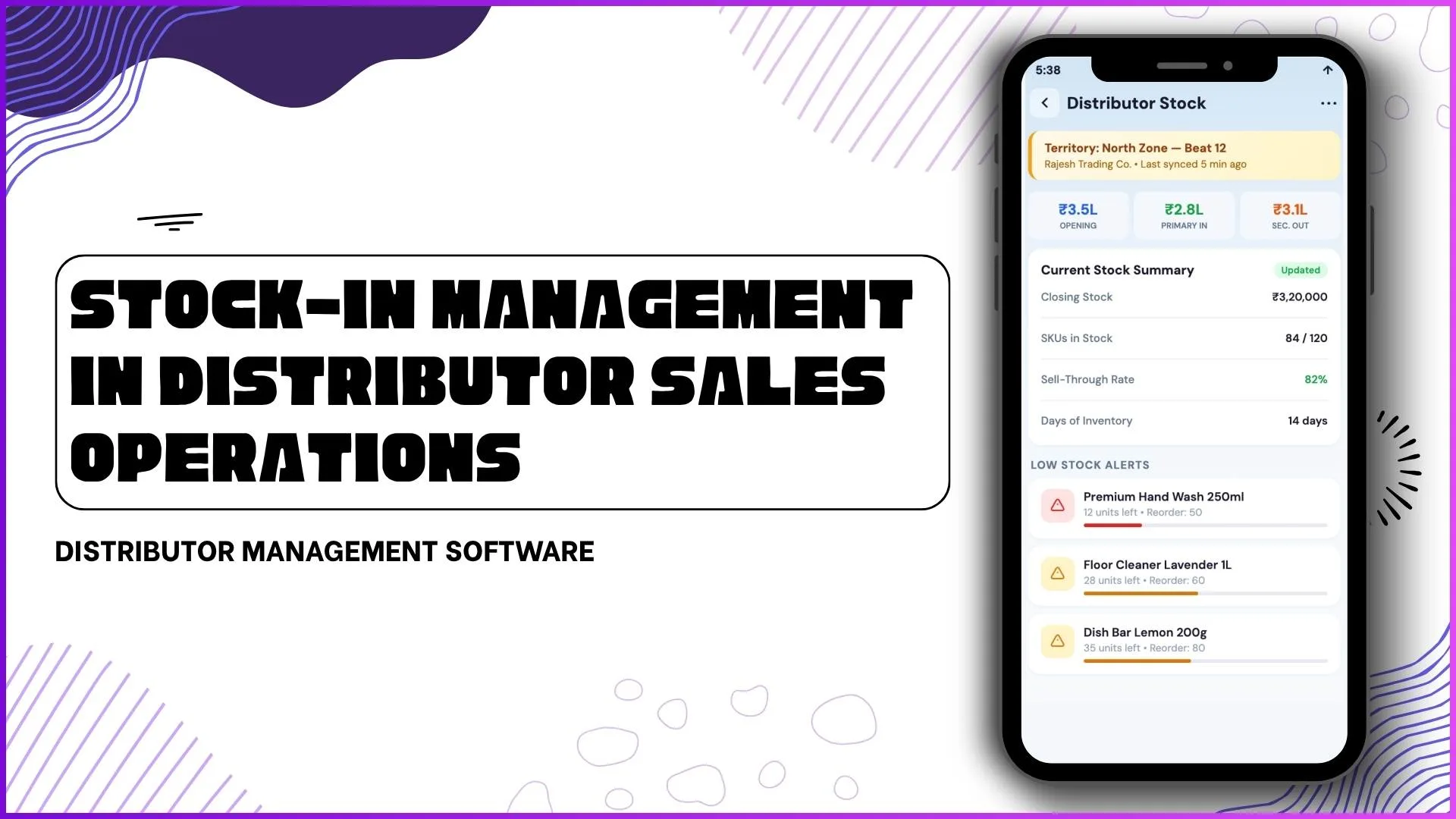
Not everything sitting in a warehouse is available for sale. Stock gets classified as Available, Reserved, Returns, Quality Hold, or Damaged, and everything except "Available" still physically occupies space without contributing anything sellable.
A warehouse can look fully stocked on paper while a meaningful chunk of that space is quietly taken up by damaged units or stock stuck in quality hold, space that's effectively gone even though it hasn't been written off.
The Stock That's Quietly Aging Into Dead Space
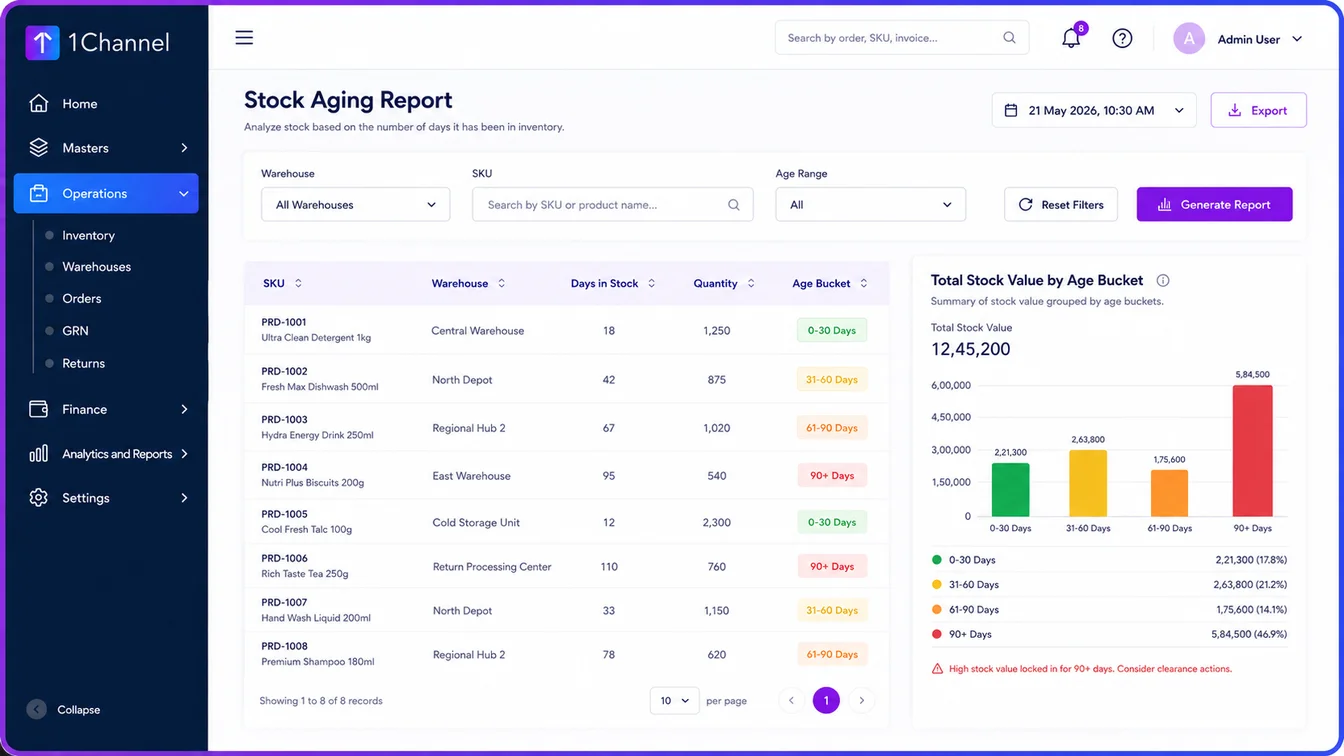
This is where most warehouse capacity actually disappears. A stock aging report, built to analyze stock age by warehouse and by SKU, surfaces exactly which products have been sitting the longest without moving.
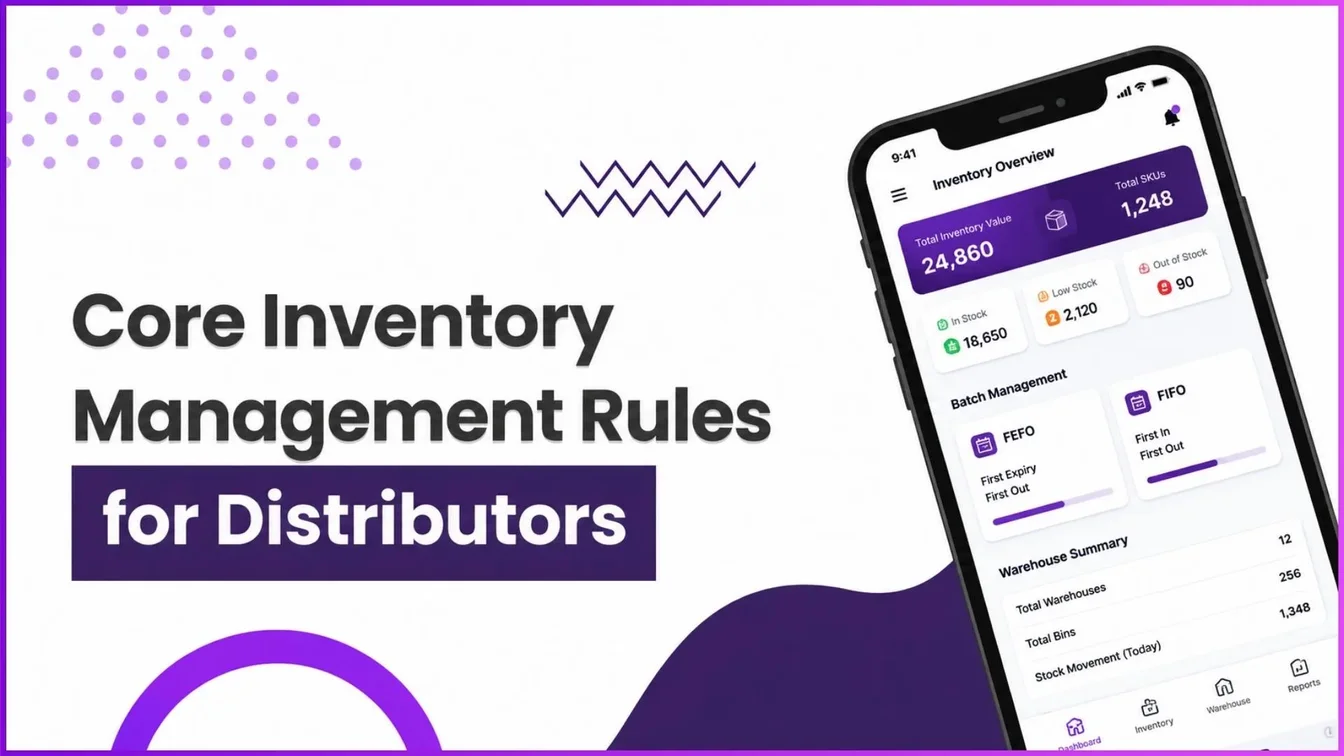
Stock that hasn't turned over in weeks isn't just a sales problem, it's square footage that could be holding something that actually sells. Batch and expiry controls, including a "first expiry, first out" allocation mode, help prevent stock from reaching that aging state in the first place by pushing older batches out before newer ones.
Ordering to Match the Space You Actually Have
Replenishment decisions are often made to avoid stockouts, but they rarely account for whether the warehouse can actually absorb the incoming stock. Setting a minimum stock threshold per SKU, with orders either placed automatically or routed for approval once stock falls below it, keeps inbound quantities aligned with what's realistic to store, not just what's safe to have on hand.
Moving Stock Instead of Expanding Space
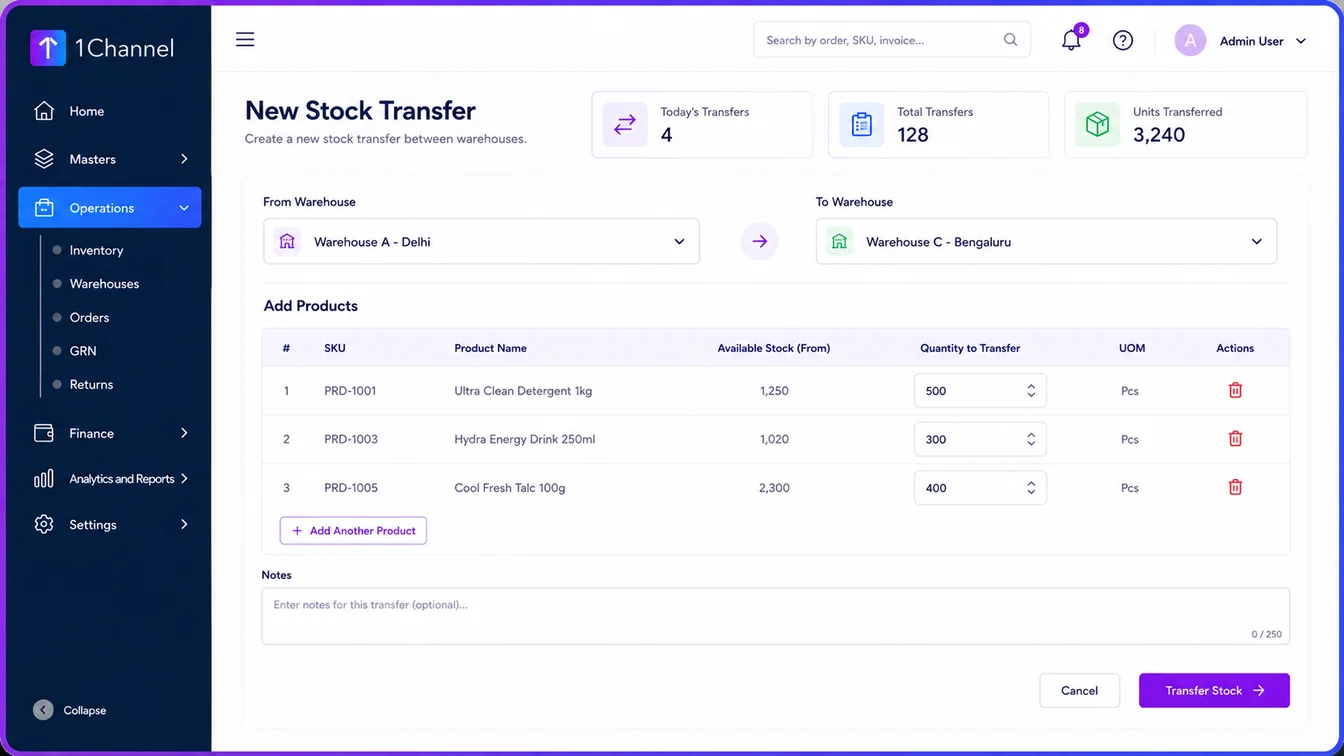
When one warehouse is overflowing and another has room to spare, the answer isn't renting more space, it's moving stock between warehouses. A transfer between locations keeps inventory records accurate even when what's ordered from one warehouse physically ships from another, and it turns spare capacity elsewhere into usable space right now.
Boosting Distribution Efficiency with 1Channel
Bringing warehouse visibility, stock aging, and transfer management into a single platform is what turns warehouse space from a recurring cost problem into something a distributor can actively control.
Explore 1Channel Warehouse Management Software
See how 1Channel's Warehouse Management Software gives distributors visibility, stock aging analysis, and transfer control across every warehouse.
Explore Warehouse Management →Conclusion
Warehouse space optimization isn't a construction problem, it's a visibility problem. Distributors who can see stock status, stock age, and capacity across every warehouse, in one place, are the ones who get more out of the space they already have.
FAQs
1. What causes warehouse space to be wasted even when stock records look accurate?
Space gets wasted when stock that isn't sellable, such as damaged units, returns, or stock in quality hold, keeps occupying room without being flagged as unusable, and when aging stock sits unmoved without anyone tracking how long it's been there.
2. How does warehouse-wise stock visibility help distributors use space efficiently?
A consolidated stock report grouped by warehouse shows exactly what's stored where, so distributors can spot an overflowing warehouse next to an underused one instead of checking each location separately.
3. What is a stock aging report and why does it matter for warehouse space?
A stock aging report analyzes how long stock has been sitting by warehouse and SKU. Products that haven't moved in weeks are effectively occupying dead space, even if they're technically still sellable.
4. How do replenishment thresholds prevent warehouses from overflowing?
Setting a minimum stock threshold per SKU means replenishment orders are placed only when stock actually falls below that level, instead of ordering in bulk regardless of how much space is available.
5. When should stock be transferred between warehouses instead of ordering more?
When one warehouse is running low on space or stock while another has surplus, a transfer between the two locations frees up capacity immediately, without adding new inventory to the network.
6. How do FIFO and FEFO batch controls relate to warehouse space?
Allocating older or earlier-expiring batches first keeps stock moving in the order it arrived, which prevents older units from sitting untouched at the back of the warehouse while newer stock is picked ahead of them.
Note: Software screens may vary based on your business structure and configured workflows.