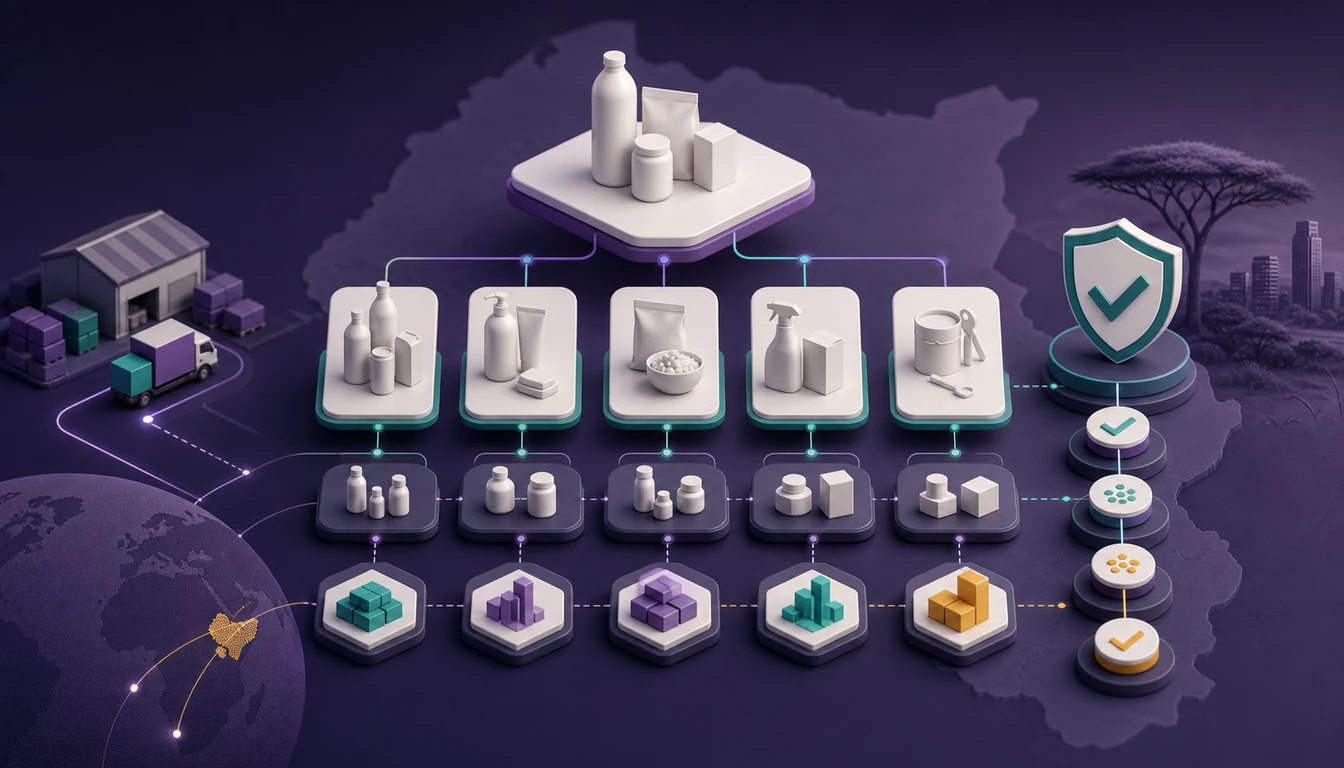
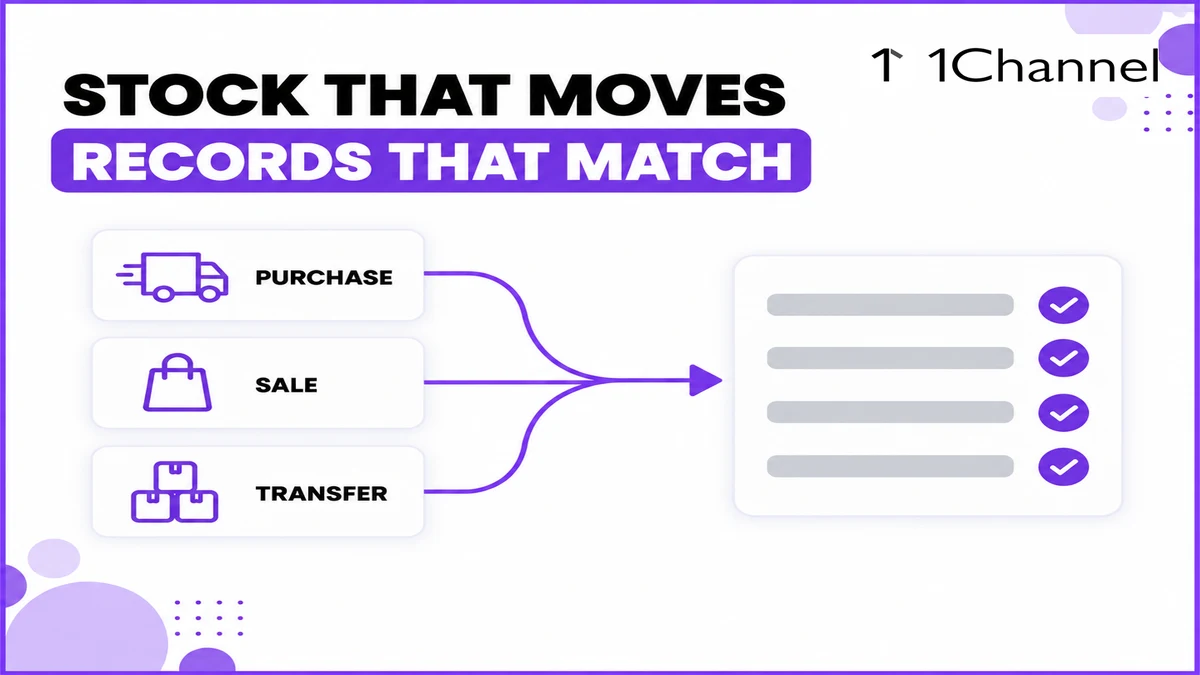
Batch traceability means pointing at any carton, in a depot or on a duka shelf, and naming the delivery and supplier it came from.
For beverage distributors in Kenya this matters. Soft drinks and juices carry KRA excise stamps, so stock must come from licensed manufacturers and importers.
The habit pays off in FMCG distribution, pharma, cosmetics and personal care, and agro-chemicals, wherever a batch number decides what can be sold.
This post follows one Eldoret beverage depot through receiving, dispatch and the day someone asks where a batch came from.
Where Batch Records Break Down
Most depots write batch numbers down somewhere. The record is just split across a gate book, a store stock sheet and an office invoice file.
When those disagree, nobody can say which delivery a pallet belongs to, and piecing it together takes days.
Mixed stock adds to it. The Finance Act 2026 took bottled water out of excise duty from 1 July 2026, yet older stamped water may still be sold.
So one water SKU can sit in the store as stamped and unstamped batches, and only the batch record tells them apart.
Receiving Each Batch Against Its Delivery
It starts in the product master. In 1Channel's distributor management system, each beverage SKU is marked Batch Tracked and Expiry Tracked.
A truck from a licensed Nairobi manufacturer brings 600 cases of orange juice 500ml to the Eldoret depot, in batches of 400 and 200.
The storekeeper raises a goods receipt note (GRN) against the delivery note. Each line records ordered and received quantity, unit price and batch.
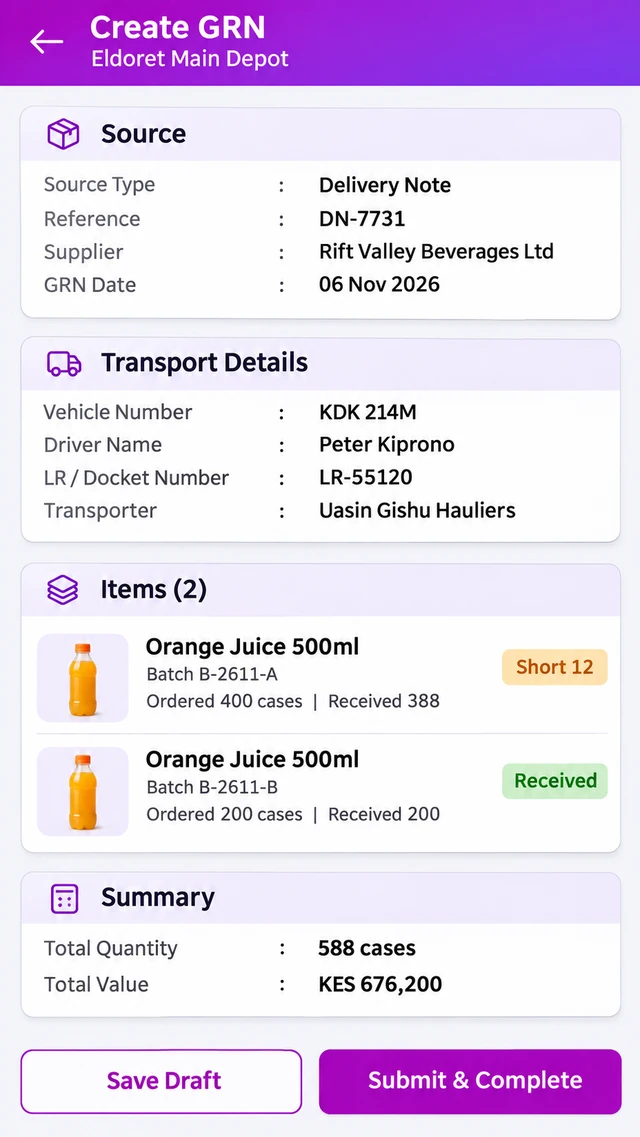
The same record holds the vehicle number, driver name, LR or docket number and transporter, often the first details asked for in a dispute.
Twelve cases from the larger batch arrive crushed, so 588 are received. At KES 1,150 a case, the receipt is valued at KES 676,200.
The manufacturer is told about the shortfall. While the count runs, the GRN stays a draft, and stock updates only once it is completed.
Dispatching the Earliest Expiry First
Juice has a short shelf life, so the order in which batches leave decides how much comes back as expired returns.
Batch selection can be set to FEFO, earliest expiry first. FIFO, LIFO and manual are the other modes, and an admin chooses which ones users may pick.
With Auto-Select Batches on, a batch is allocated as soon as a quantity is entered, so nobody grabs the nearest pallet instead.
Say the depot holds juice expiring in February and in April. A 40-case order from an Eldoret supermarket goes out from the February batch.
Each dispatch adds a dated line to the stock movements ledger, and the Batch/Expiry tab shows what is left of every batch.
Answering "Where Did This Batch Come From?"
Three weeks later, the manufacturer flags a quality issue on the 200-case batch and asks distributors holding it to stop sales.
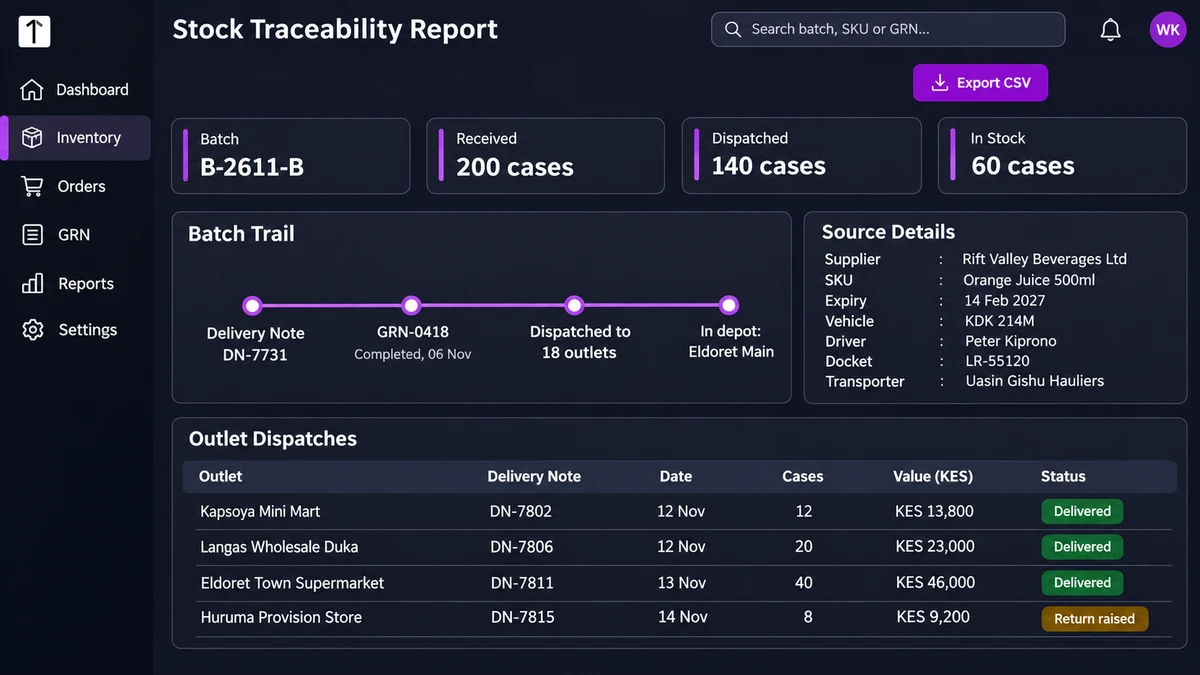
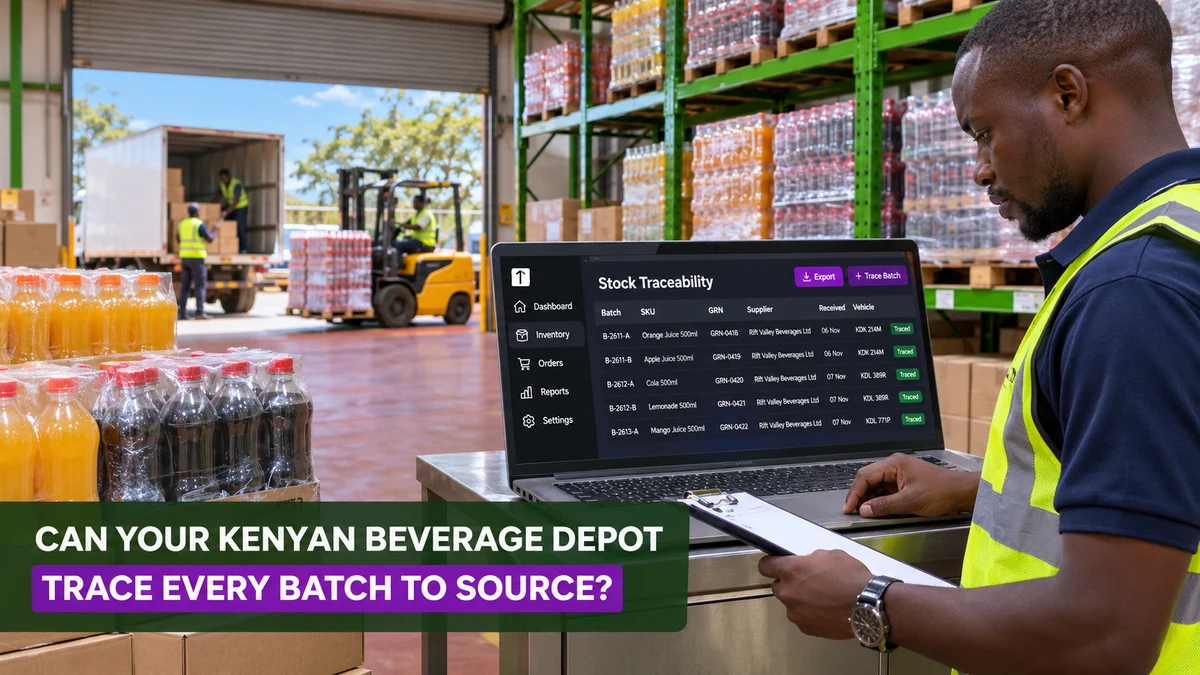
The Stock Traceability Report traces the batch back to its source GRN and invoice, showing the supplier, received date and the truck it came on.
Delivery notes and the sales report show where it went: 140 cases to 18 outlets around Eldoret, with 60 still in the depot.
Reps raise returns against each outlet's order with the reason Quality Issue. The depot sends its 60 cases back as a primary return against the GRN.
| Question asked | Where the answer sits |
|---|---|
| Which supplier sent this batch? | GRN source details |
| Which truck brought it? | GRN transport details |
| Which outlets received it? | Delivery notes and sales report |
| How much is still here? | Stock levels by batch |
How 1Channel Links Each Batch to Its Source
1Channel keeps the product master, receiving, dispatch and returns on one record, so the batch number keyed in at the gate follows the stock everywhere.
Distributors, field reps and head office each see their own scoped view of it, on the web portal and the mobile app.
Trace Any Batch Back to the Truck It Came On
See how 1Channel records batches at receiving, picks the earliest expiry first and traces stock to its source for beverage distributors across Kenya.
Explore Batch Management →Common Mistakes to Avoid
- Tracking some SKUs only — batch tracking on juices but not soft drinks leaves gaps in the trail.
- Completing a GRN mid-count — stock updates with wrong quantities and the shortfall is never raised.
- Leaving transport fields blank — without the vehicle and docket, a disputed delivery is hard to place.
- Mixing old and new water stock — keep stamped and unstamped bottled water as separate batches.