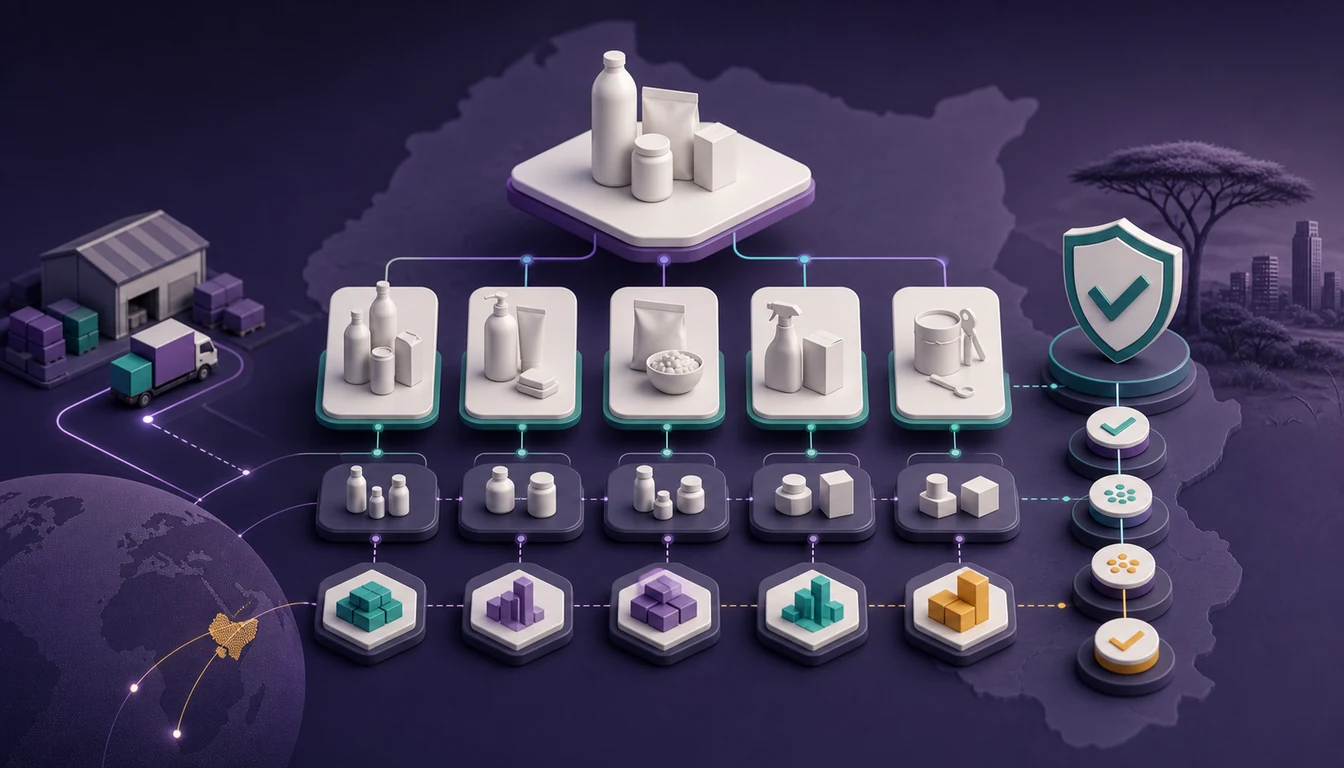
The Kenya Revenue Authority has told every business on eTIMS or TIMS that stock records now matter as much as the invoice itself.
It lands hardest wherever goods move in volume between a warehouse and a route: FMCG distribution, pharma and healthcare, building materials, and agriculture and agrovet supply.
This post covers what the directive actually requires, why the gap between physical stock and invoiced stock catches distributors specifically, and what a stock record needs to capture.
What KRA's Stock Records Directive Actually Requires
On 4 September 2026, KRA announced that businesses using eTIMS or TIMS must maintain stock records that account for goods accurately as they move through the business.
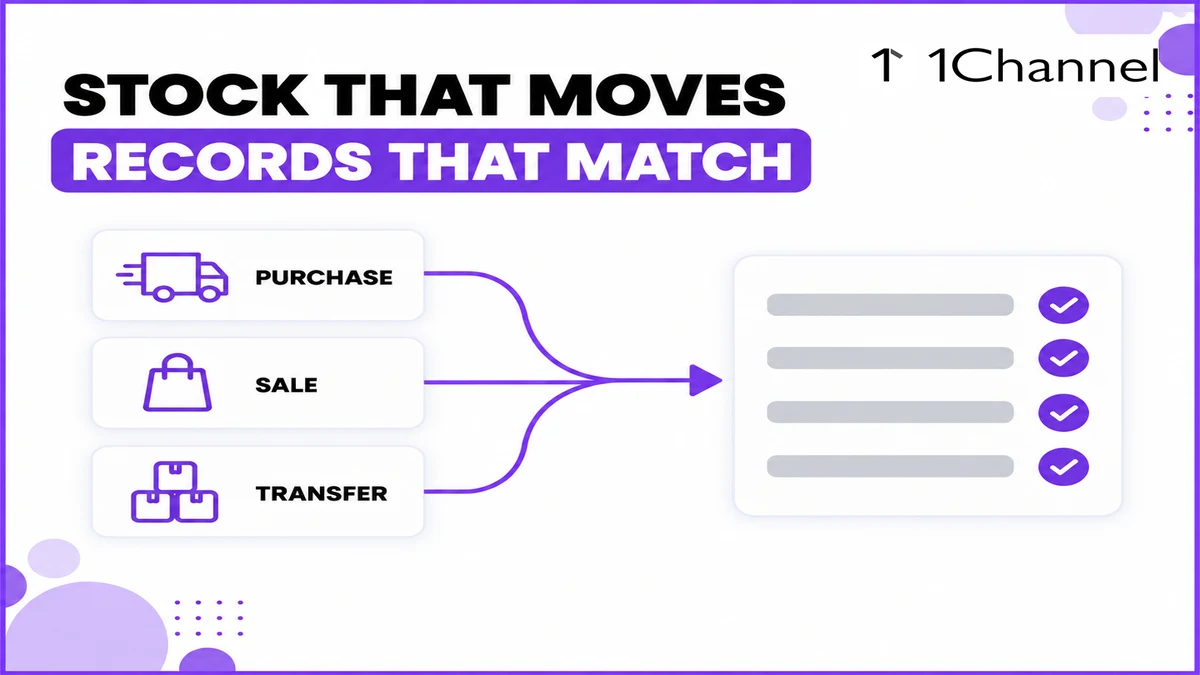
The scope covers purchases, receipts, sales, transfers, returns, adjustments and disposals, the full set of events a stock item passes through between arriving and leaving.
KRA said it will hold consultations with businesses through September to explain how the requirement operates and let taxpayers flag challenges before it is enforced in full.
No enforcement deadline or penalty schedule has been published yet, but KRA has acknowledged the requirement adds record-keeping work for businesses still running stock on paper.
Why This Lands Hardest on Distributors
A single-till retailer has one ledger and one stockroom to match. A distributor has a warehouse, a fleet of vans, and a stock position that changes daily.
Physical stock and invoiced stock already drift apart for ordinary reasons: a short delivery, a damaged case pulled off a load, a return accepted at the roadside.
None of that is fraud. It is stock movement the books have not caught up with yet.
A distributor's stock position should update automatically as vans leave and return, not once a month at reconciliation time.
KRA is not asking for a new number. It is asking for yard movement to be visible in the books at the same time it happens.
| Stock movement | What KRA's directive now expects | Where the gap usually shows up |
|---|---|---|
| Purchase or receipt | Recorded quantity matches what was actually received | A Goods Received Note logged later from memory, against the order rather than the delivery |
| Sale or dispatch | Recorded quantity matches what left the warehouse or van | The invoice is raised from the order, not the confirmed dispatch |
| Transfer | Stock moved between warehouse and vehicle, or between depots, is logged both ways | Van stock is treated as untracked until the vehicle returns |
| Return or adjustment | The return or write-off is recorded against the specific stock line it reverses | Adjustments are netted into the next delivery instead of recorded separately |
How 1Channel Keeps Stock Movement Audit-Ready
1Channel is not certified or endorsed by KRA, and it does not file anything on a distributor's behalf. It runs stock, orders and invoicing on one cloud backend.
Its AI-driven order validation checks stock against what is actually in the warehouse or van before an order is confirmed, so a shortfall surfaces at the counter.
The same AI assistant can be asked for a stock or movement report in chat, and workflow automation routes a mismatch as an exception the day it appears.
Keep Every Stock Movement Matched to a Record
See how the platform's cloud inventory and stock management tools track purchases, transfers and returns against KRA-aligned records automatically, so nothing waits for month end.
Explore Inventory & Stock Management →A Quick Decision Checklist Before Enforcement Tightens
- Do you know, right now, how much stock sits in each van versus each warehouse bin?
- Is a return or damage write-off recorded against the invoice line it reverses, or netted into the next delivery?
- Does a Goods Received Note reflect what was actually delivered, or what was originally ordered?
- Who reconciles stock today: someone in the field at the moment it moves, or someone in the office at month end?
- If KRA asked for a quarter of stock movement history, could it be produced this afternoon?
None of these questions has one right answer for every distributor. What they share is that the answer only gets more expensive the longer it goes unasked.
Source: Kenyans.co.ke