Training completion rates are a persistent problem for companies with large field sales teams. A consumer electronics brand in Selangor uploads a product knowledge module for 80 promoters. Two weeks later, only 30 have completed it. The other 50 opened the content once, skimmed a few slides, and moved on. There is no consequence for not finishing, no reward for completing it, and no visible progress that makes the employee care about continuing.
Gamification in LMS changes this dynamic by adding game-like mechanics to the learning process. Not games for entertainment, but structured elements like levels, quizzes with scores, badges for achievements, certificates on completion, and leaderboards that create visibility into who is progressing and who is not. These mechanics tap into the same competitive and goal-oriented instincts that drive sales performance, making training feel like achievement rather than obligation.
This article explains what gamification looks like inside a sales team LMS, which features make it effective, and how Malaysian businesses can use it to improve training engagement across distributed field teams.
Table of Contents
What Gamification Means in a Sales Team LMS
A gamified LMS uses structured incentive mechanics within the learning platform to encourage participation, completion, and knowledge retention. Instead of simply presenting training content and hoping employees consume it, the system creates a progression path where every action has a visible outcome.
In a sales training context, this works well because sales teams are inherently competitive and respond to clear goals. A promoter who can see that completing one more quiz will earn them a certification badge, or that finishing all Level 1 modules will unlock advanced selling techniques content, has a tangible reason to engage with the training beyond just being told to do it.
Core Gamification Features That Drive Engagement
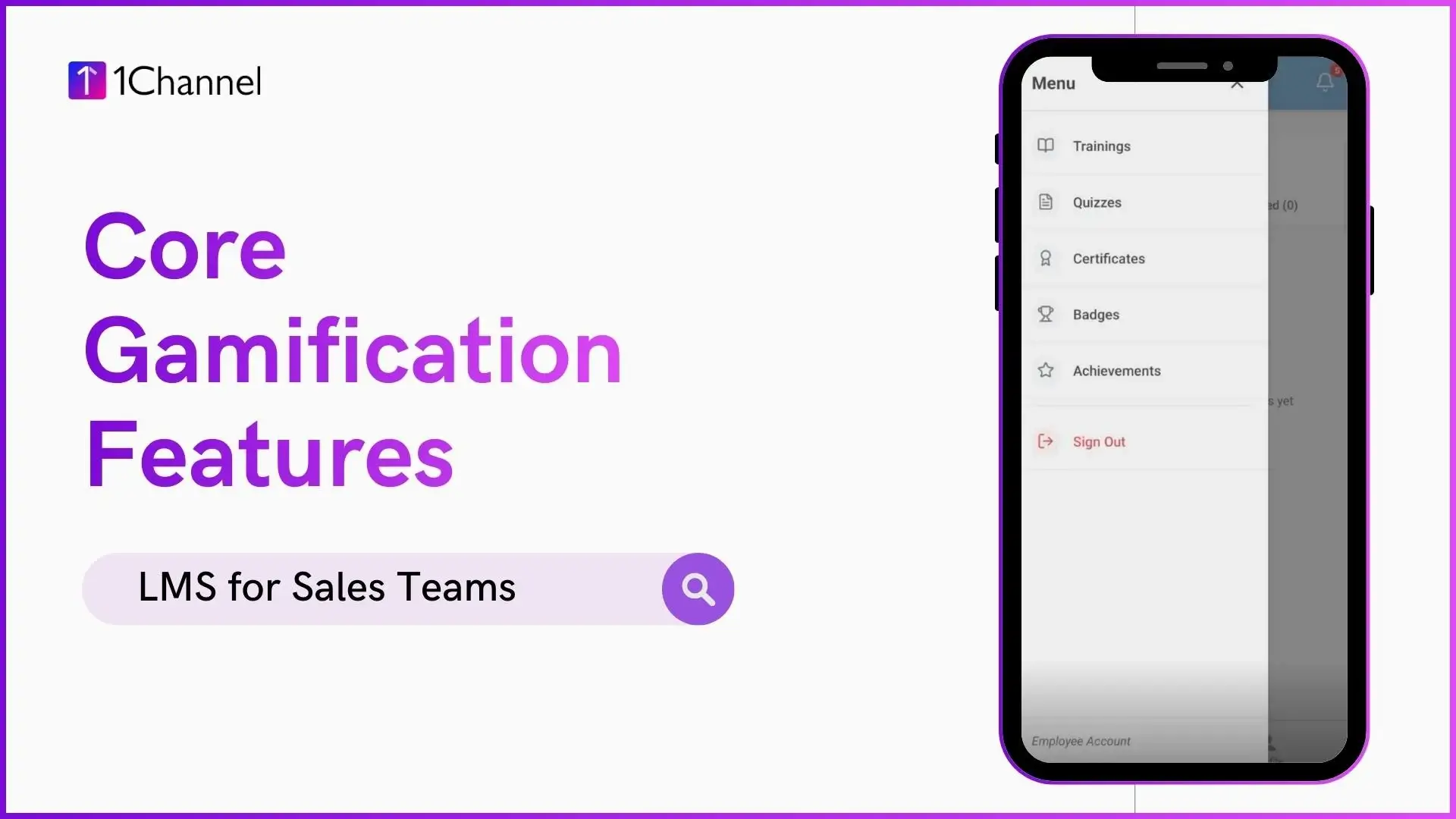
Gamified quizzes
Quizzes are the most direct assessment tool in the LMS. Admins create quizzes linked to specific training modules, set passing percentages, configure negative marking if needed, and define parameters like maximum attempts and time limits. The standard quiz format presents four options per question with scores calculated after submission. The gamified format embeds questions within images and interactive cards, where options pop up as the employee progresses through visual content.
For a Malaysian FMCG company training 60 merchandisers on a new product line, a gamified quiz that shows product images and asks the employee to identify features or compare against competitors is significantly more engaging than a text-only multiple choice test. The visual, interactive format mirrors the actual retail environment where these promoters work.
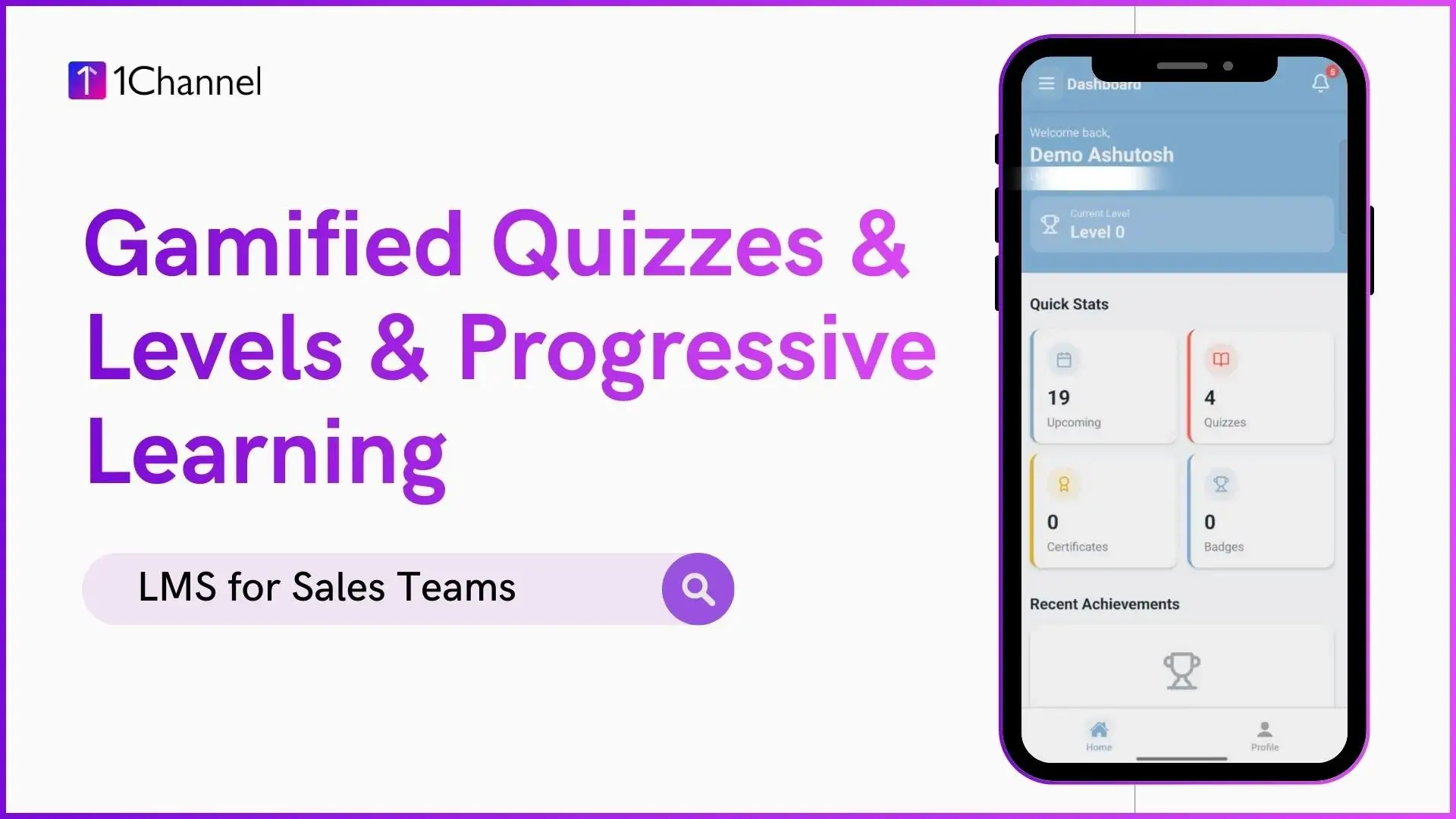
Levels and progressive unlocking
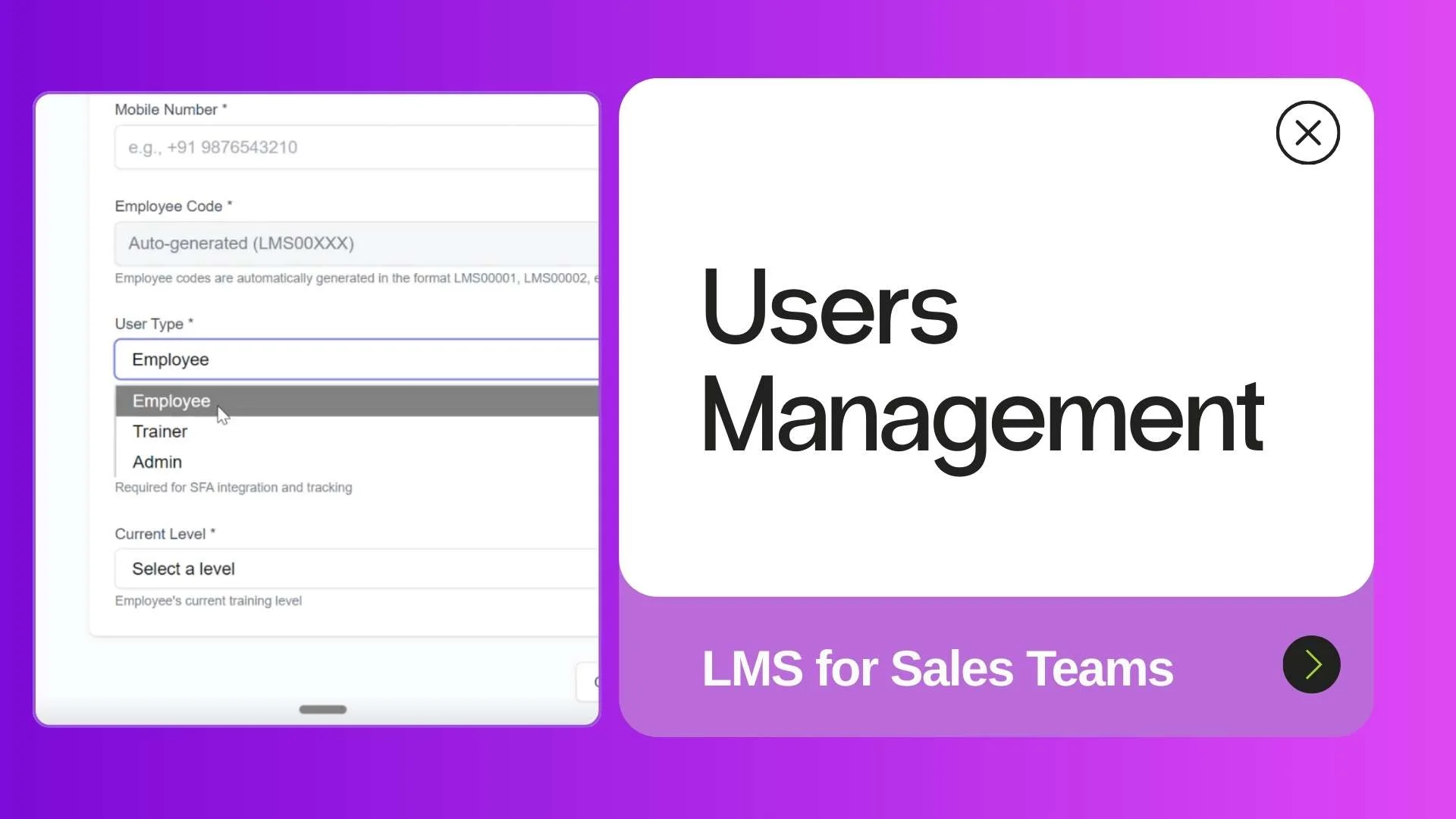
The level system is the backbone of gamification in the LMS. Admins create levels starting from Level 0 (new joiners) upward. Each level has defined promotion criteria that can include percentage of certificates earned, minimum tenure in days, and average productivity metrics.
When an employee meets all criteria for their current level, the next level unlocks automatically. New modules, new quizzes, and new sessions become visible in their app. A promoter in Johor who completes all Level 0 product knowledge modules and passes the associated quizzes does not need to request access to Level 1 content. It appears automatically, creating a seamless sense of progression.
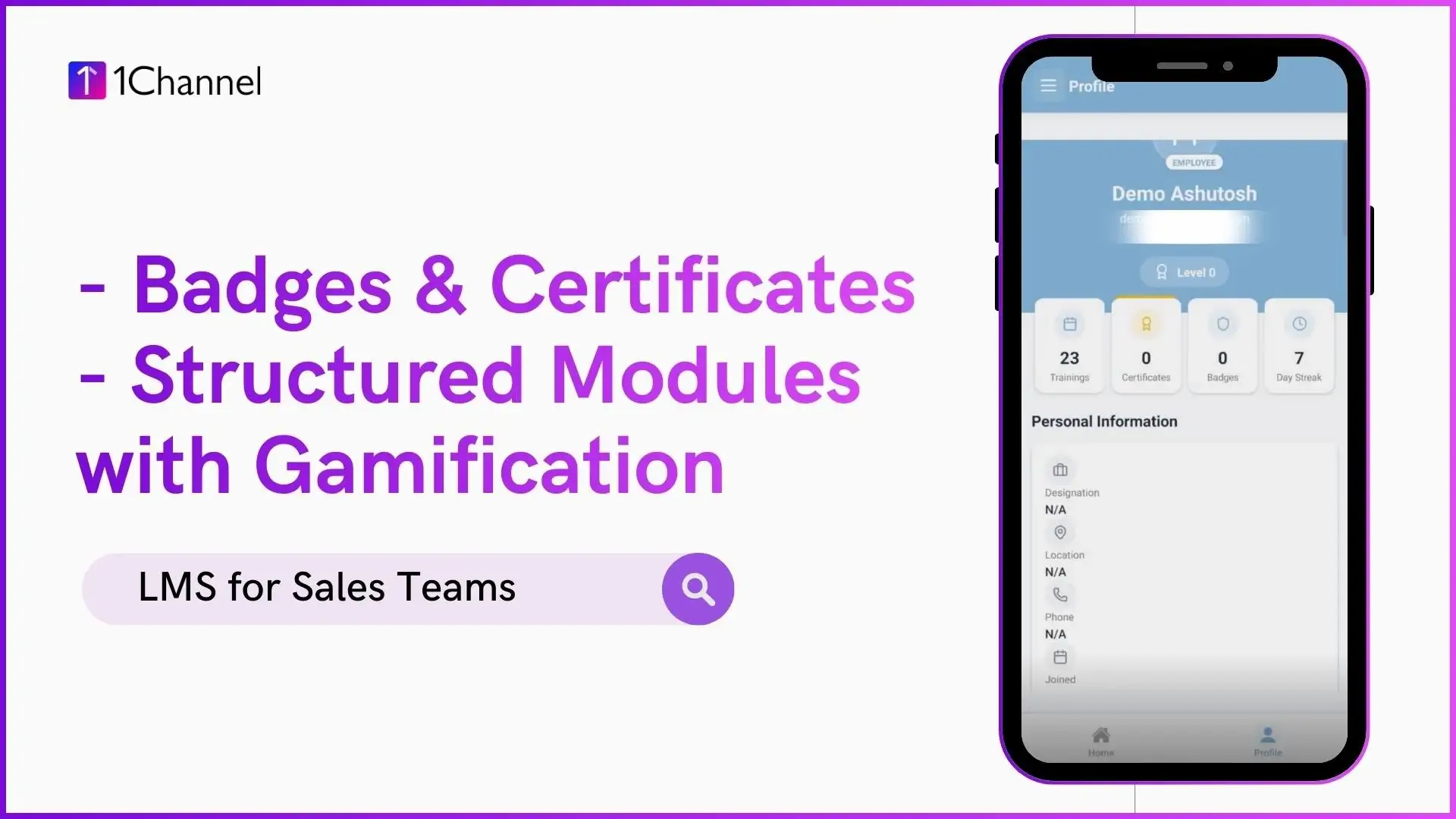
Badges and certificates
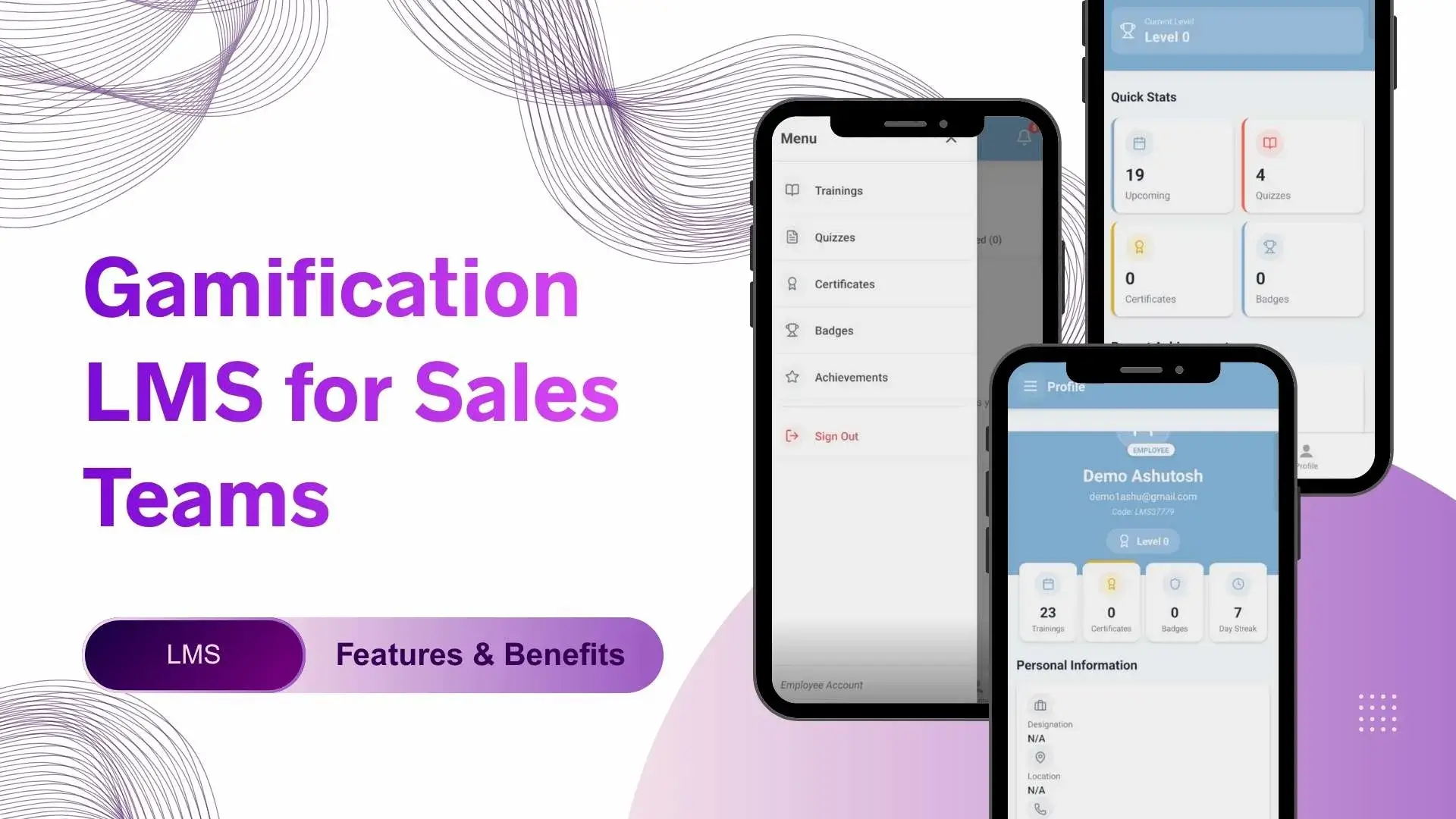
When an employee completes a quiz, finishes a module, or reaches a new level, they earn badges and certificates that appear in their app profile. These are not just visual decorations. They serve as verifiable proof of competency that the admin can reference during performance reviews or promotion decisions.
The recognition aspect matters for field teams where individual achievement can sometimes feel invisible. A promoter at a retail outlet in Klang Valley who earns a "Product Expert" badge after completing an advanced product module feels acknowledged for their effort. When leaderboards show who has earned the most badges across the team, it creates healthy competition that further drives engagement.
Structured modules with level-based visibility
Modules organise training content into focused learning units under categories like Product Knowledge, Selling Techniques, or Compliance. Each module can be mapped to a specific level so that employees only see content appropriate for their current stage. This prevents new joiners from being overwhelmed by advanced content while ensuring experienced team members are not stuck reviewing basics they already know.
The combination of modules and levels creates a natural learning path. A telco company training promoters across outlets in Penang and Sabah can structure their training as: Level 0 covers basic plan details and store procedures, Level 1 covers advanced features and competitor comparison, and Level 2 covers upselling techniques and team leadership skills. Each promoter progresses at their own pace but follows the same structured path.
Analytics that make progress visible
Gamification becomes more effective when performance data is visible to both admins and employees. The LMS analytics dashboard shows quiz pass rates, average scores, module completion rates, attendance figures, level-wise performance breakdowns, and certificates issued.
For employees, seeing their own progress metrics in the app creates self-awareness and motivation. For admins, the data reveals which modules have low completion rates (suggesting the content needs improvement), which teams are progressing faster than others, and which individuals might need additional support. A training manager at a consumer goods company can see that the Penang team has 90 percent module completion while the Johor team is at 55 percent, and investigate whether the gap is due to content relevance, trainer availability, or scheduling conflicts.
Gamification LMS vs Traditional LMS
Explore Sales Team LMS with Gamification
1Channel's LMS platform includes gamified quizzes, level-based progression, badges, certificates, leaderboards, and detailed analytics for field sales teams of any size.
Explore LMS Software →Gamification does not make training easier. It makes training something employees choose to engage with. For Malaysian businesses managing field sales teams across multiple states, where training consistency and completion rates directly affect sales performance, the difference between a traditional content dump and a structured gamified learning path is the difference between a team that stalls after onboarding and one that improves continuously. Get in touch to see how gamification can work for your sales team.