When a Malaysian FMCG company hires 30 new promoters across Selangor, Penang, and Johor, each one needs product training before they can sell effectively in retail outlets. Without a structured system, training happens inconsistently. The Penang team gets a two-hour session from a regional manager. The Johor team gets a WhatsApp video. The Selangor team gets a PDF that nobody reads. Three months later, product knowledge varies wildly across the team, and sales performance reflects it.
A Learning Management System (LMS) built for sales teams solves this by providing a single platform where training modules are created once and delivered consistently to every employee, regardless of where they are located. The system tracks who completed which training, verifies attendance through photos and GPS, and gives managers real-time visibility into training compliance across all regions.
This article explains how session-based LMS training works and why it matters for Malaysian businesses managing distributed field teams.
Table of Contents
The Four Types of Training Sessions in a Sales Team LMS
A well-designed sales team LMS supports multiple session formats because not all training happens in the same way. Some sessions require physical presence. Others work better virtually. Some need to happen at the store level. And some are self-paced. Here is how each type works.
1. Classroom sessions
In a classroom session, employees gather at a designated venue for physical, instructor-led training. This is useful for new product launches, onboarding batches, or skills training that benefits from face-to-face interaction.
For example, an electronics brand rolling out a new product line might schedule a classroom session in Kuala Lumpur for all 40 promoters working across modern trade outlets in the Klang Valley. The session runs from 10 AM to 3 PM at a training centre. Employees mark attendance through the LMS app by capturing a photo when they arrive at the venue.
This gives the admin verified proof of attendance with timestamps and photo evidence, eliminating the need for paper sign-in sheets. The manager can see in real time how many of the 40 assigned participants have checked in and who is missing.
2. Virtual sessions
Virtual sessions work like classroom sessions but are conducted online through Google Meet, Microsoft Teams, or Zoom. The admin creates the session in the LMS and pastes the meeting link directly into the system. Employees assigned to that session see the date, time, and meeting link in their app.
Before joining the meeting, employees mark attendance through the LMS. Then they click the meeting link, which redirects them to the virtual training.
This format is practical for teams spread across multiple states. A pharmaceutical company that needs to train medical reps in Penang, Johor Bahru, Kuching, and Kota Kinabalu on updated detailing guidelines can conduct a single virtual session instead of organising four separate physical events. The training content is identical, attendance is tracked centrally, and travel costs drop to zero.
3. In-store sessions
In-store sessions are designed for training that happens at the actual retail outlet or work site. Instead of pulling employees away from their stores, a trainer visits each location and conducts on-ground training with live product demonstrations.
In this format, the trainer's login handles attendance. The trainer marks each trainee as present, captures photos of the employees during the session, and the attendance is geo-tagged from the trainer's location. This creates a verified record that the training happened at the right place, on the right date, with the right people.
This type of session is particularly valuable for retail chains, consumer electronics brands, telecom outlets, and appliance stores in Malaysia where promoters need to learn about products in the actual selling environment. A home appliance brand training promoters across 15 outlets in Selangor can have a trainer visit each store over two weeks, with the LMS tracking exactly which stores were covered and which promoters completed the training.
4. E-learning sessions
E-learning sessions allow employees to learn at their own pace directly from the LMS app. The admin uploads training content in various formats including PDFs, images, embedded YouTube videos, and other materials based on business requirements.
Employees see learning cards in the app, similar to a story-based learning format, where they can swipe through content, watch videos, and review materials whenever they have time. The system tracks who opened which content, how much they completed, and when they finished.
This is useful for ongoing product knowledge updates, compliance training, and refresher modules that do not require a live instructor. A beauty brand with 50 promoters across Malaysian department stores can push a new product knowledge deck every month through the e-learning module without scheduling any sessions or pulling anyone out of their store.
Why Session-Based LMS Training Matters for Malaysian Businesses
Companies with sales teams spread across multiple locations face a consistent set of training challenges that manual methods cannot solve at scale:
- Consistency. Without a centralised system, different regions receive different quality of training. The LMS ensures every employee goes through the same modules, whether they are in KL or Kota Kinabalu.
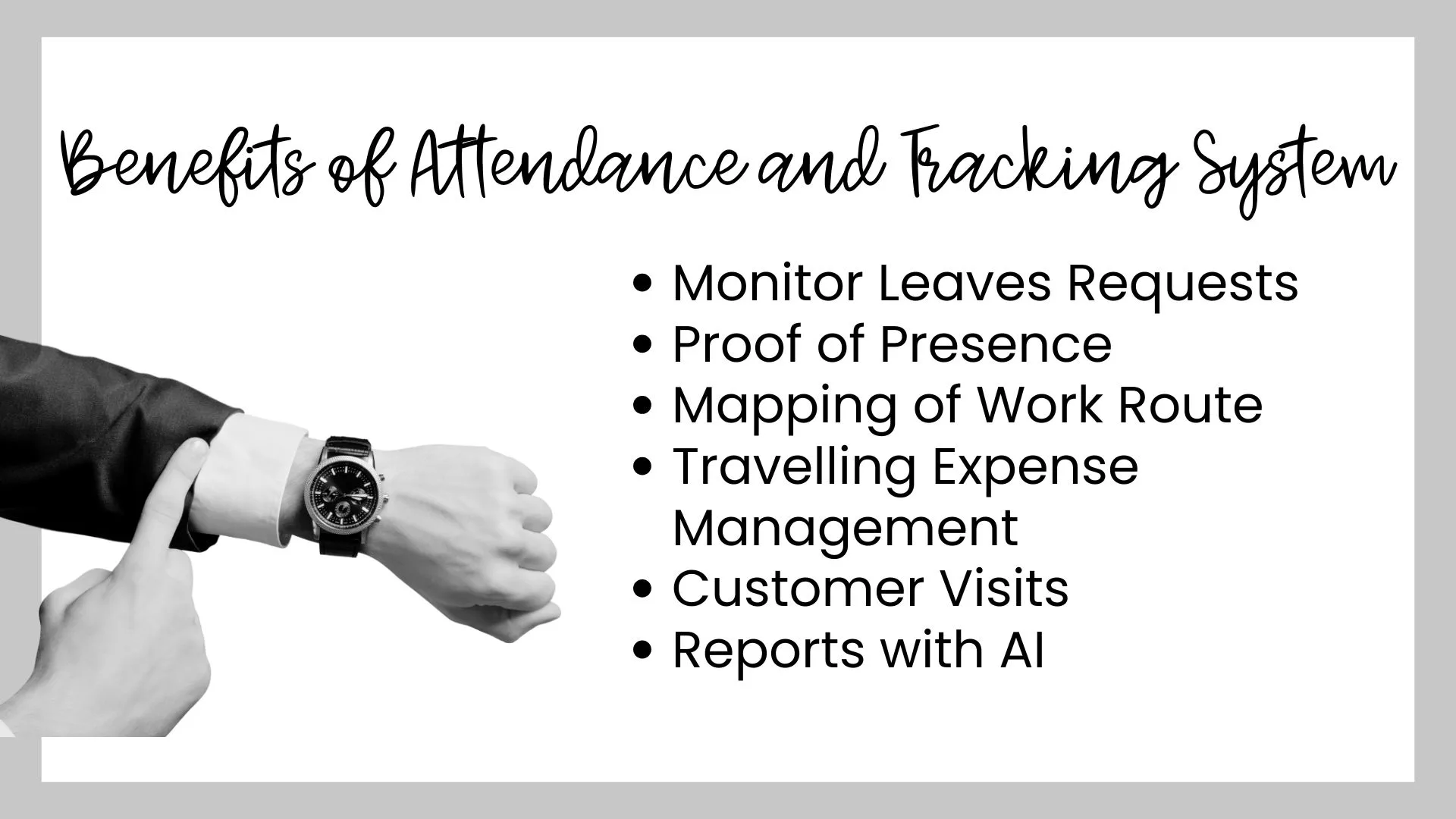
- Accountability. Paper-based attendance and informal training records make it impossible to verify who actually completed training. Photo-verified and geo-tagged attendance creates a reliable audit trail.
- Scalability. Training 20 employees manually is manageable. Training 200 across five states requires a system. The LMS scales from small teams to large field forces without proportionally increasing the administrative effort.
- Speed of onboarding. New hires can be assigned a standardised onboarding module that they complete through e-learning sessions before their first day in the field. This reduces the time between hiring and productivity.
- Cost reduction. Virtual and e-learning sessions eliminate travel costs for training. In-store sessions reduce the need for centralised training venues. Classroom sessions still happen when needed, but they are no longer the only option.
Session Type Quick Reference
Classroom Session
Physical venue, instructor-led. Employees mark attendance via photo in the app. Best for product launches, batch onboarding, and skills workshops.
Virtual Session
Online via Google Meet, Teams, or Zoom. Meeting link embedded in LMS. Attendance marked before joining. Best for multi-location teams and policy updates.
In-Store Session
Trainer visits the store. Attendance marked by trainer with geo-tagged photos. Best for retail promoters, outlet-level product training, and hands-on demonstrations.
E-Learning Session
Self-paced via LMS app. Content formats include PDFs, images, and videos. Completion tracked automatically. Best for ongoing product updates, compliance training, and refresher modules.
Explore Sales Team LMS
1Channel's LMS platform supports classroom, virtual, in-store, and e-learning sessions with verified attendance, geo-tagging, and automated tracking for field sales teams.
Explore LMS Software →Training is one of those operational areas where the gap between structured and unstructured approaches compounds over time. A team that receives consistent, tracked training performs better than one that gets ad hoc WhatsApp videos. For Malaysian businesses scaling field teams across multiple states, a session-based LMS turns training from an administrative burden into a measurable performance driver. Get in touch to explore how it fits your operation.