Malaysian businesses across FMCG, manufacturing, distribution, healthcare, and retail are dealing with rising customer expectations and intensifying competition. Buyers compare services, response times, and engagement quality across brands. Meanwhile, many companies still manage customer data through spreadsheets, WhatsApp threads, and manual follow-ups that leave leads scattered, follow-ups missed, and managers guessing about team performance.
CRM (Customer Relationship Management) software addresses this by centralising every customer interaction into a single, accessible system. But the real question is not whether CRM is useful. It is understanding specifically how it adds value and where that value shows up in daily operations. This article breaks it down for Malaysian businesses considering CRM adoption.
Table of Contents

The Before and After of CRM Adoption
The clearest way to understand CRM value is to compare what operations look like without it versus with it. These are not hypothetical scenarios. They reflect common patterns among Malaysian SMEs and mid-sized companies.
Without CRM
A building materials supplier in Johor manages customer enquiries through a mix of WhatsApp messages, email inboxes, and a shared Excel file on Google Drive. When a new enquiry comes in from a contractor, the sales rep saves the contact in their personal phone and makes a note to follow up. Three days later, the note is buried under other messages and the follow-up does not happen. The contractor buys from a competitor who responded the same day.
The sales manager has no way to know this lead existed, let alone that it was lost. At the end of the month, the team reports 15 new deals, but no one can say how many enquiries were actually received, how many were followed up, or where the pipeline stands.
With CRM
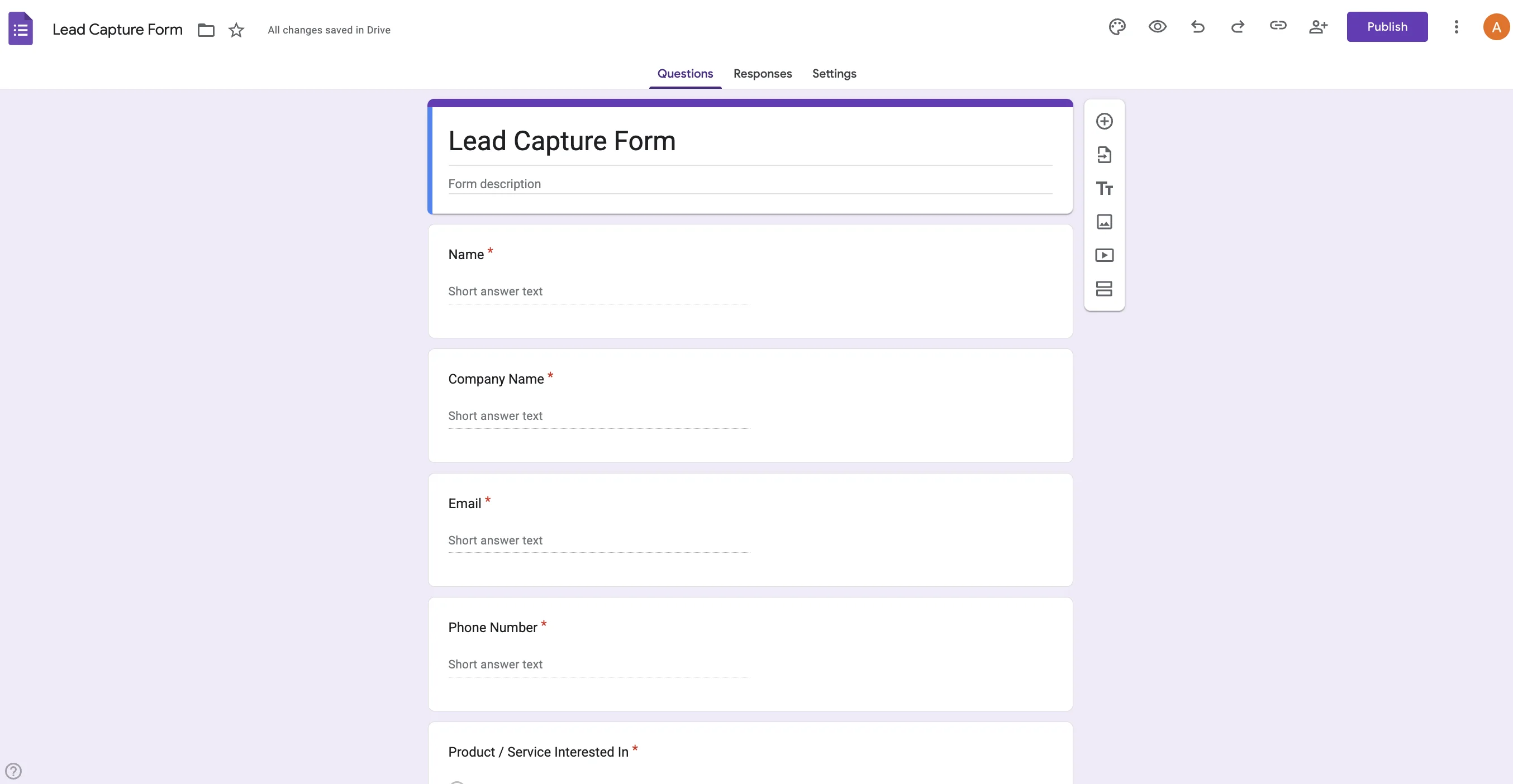
The same supplier implements a CRM system. Every enquiry, whether from a phone call, WhatsApp message, website form, or walk-in, is logged as a lead with the customer name, company, contact details, product interest, and source. The system automatically assigns the lead to the relevant sales rep and sets a follow-up reminder for the next business day.
When the contractor's enquiry arrives, the CRM creates a lead record, assigns it, and triggers a reminder. The rep follows up within 24 hours. The manager can see in real time how many leads are in the pipeline, which reps are following up on time, and where deals are getting stuck. At month end, the data shows 40 enquiries received, 35 followed up, 18 converted. The numbers are real, not estimated.
Research consistently supports this kind of improvement. Businesses using CRM report approximately 29 percent higher sales productivity, significantly better lead conversion efficiency, and measurable improvements in customer satisfaction. (Source)
Where CRM Creates Measurable Value
Organised customer database
Every lead, customer, and interaction is stored in one system with complete history. A sales rep preparing for a meeting with a distributor in Penang can pull up the entire relationship timeline in seconds: past orders, complaints raised, products discussed, and notes from previous visits. This level of preparation is impossible when data lives across personal phones, email threads, and shared spreadsheets.
Consistent follow-ups that prevent revenue leakage
Missed follow-ups are one of the largest sources of lost revenue in B2B sales. CRM systems generate automated reminders based on lead status and scheduled dates. When a rep is supposed to follow up with a potential client in Shah Alam on Thursday, the system reminds them on Wednesday evening and again on Thursday morning. The follow-up happens, and the lead stays warm instead of going cold.
For a company handling 50 to 100 active leads at any time, this automated discipline can be the difference between converting 20 deals per month and converting 30.
Personalised customer experience
When customer interaction history is accessible to everyone on the team, personalisation happens naturally. A support agent handling a complaint from a retailer in Klang can see that this customer has been with the company for three years, orders regularly, and raised a similar issue six months ago that was resolved within two days. This context changes how the conversation goes and how quickly the issue gets escalated.
Customers notice when a company remembers their history. In a competitive market where switching costs are low, this kind of personalised attention directly affects retention.
Stronger team productivity through automation
Without CRM, sales reps spend a significant portion of their day on administrative tasks: updating spreadsheets, writing daily reports, searching chat histories for customer details, and manually scheduling appointments. CRM automates most of this. Lead assignment happens automatically. Visit reports are generated from check-in data. Customer history is searchable in seconds.
The time saved goes back into actual selling. For field sales teams covering territories across Selangor, Johor, and Penang, this means more customer visits per day and less time spent on paperwork.
Accurate reporting and forecasting
CRM tracks every lead source, pipeline stage, conversion rate, and revenue figure automatically. Managers can generate reports on demand without waiting for manual compilations. They can see which lead sources produce the highest-quality prospects, which product categories have the longest sales cycles, and which reps are consistently meeting their targets.
For a manufacturing company in Selangor planning inventory and production based on sales forecasts, the difference between a forecast based on verified CRM data and one based on a sales manager's estimate can mean hundreds of thousands of ringgit in inventory accuracy.
Service operations management
CRM is not just for sales. It also manages post-sale service workflows including complaints, warranty tracking, annual maintenance contracts (AMC), installations, and renewals. When a customer calls about a product issue, the support team can see the purchase date, warranty status, past service requests, and the assigned service engineer, all in one screen.
For businesses that sell equipment, electronics, or industrial products in Malaysia, managing AMC renewals through CRM ensures no renewal is missed and no contract lapses without a proactive follow-up.
How CRM Value Plays Out Across Industries
FMCG and distribution
A snack food distributor in the Klang Valley with 25 sales reps covering retail outlets uses CRM to track outlet visits, capture orders during visits, and monitor which outlets are ordering consistently versus which are declining. The route planning integration ensures reps visit the right outlets on the right days. After three months, the team identifies 12 previously underserved outlets that collectively represent a 15 percent increase in territory revenue.
Manufacturing and industrial sales
An industrial pump manufacturer in Penang uses CRM to manage a sales pipeline with 60-day average deal cycles. Each prospect's quotation history, technical requirements, and decision-maker contacts are stored in the CRM. When a prospect who received a quotation two months ago calls back to discuss pricing, the sales rep pulls up the exact quotation, the technical specs discussed, and the competitor products mentioned in the last conversation. The deal closes because the rep is prepared.
Healthcare and pharma
A pharmaceutical company with medical reps covering clinics across Penang, Johor, and the Klang Valley uses CRM to log every doctor visit with geo-tags, record product detailing sessions, and schedule follow-up visits. The regional manager can see beat compliance across all reps and identify which territories are being underserved. Visit frequency to key prescribers increases by 20 percent without adding headcount.
Explore CRM Software for Your Business
1Channel's configurable CRM platform manages leads, pipelines, follow-ups, service operations, and field sales tracking with role-based access and AI-powered analytics.
Explore CRM Software →CRM adds value by replacing guesswork with data, manual effort with automation, and scattered information with a single source of truth. For Malaysian businesses competing in markets where customer expectations are rising and response speed matters, CRM is not a luxury tool for large enterprises. It is practical infrastructure that directly affects how many leads convert, how quickly issues are resolved, and how accurately the business can plan its next quarter. 1Channel's CRM platform is built for this kind of operational impact. Get in touch to explore how it fits your business.