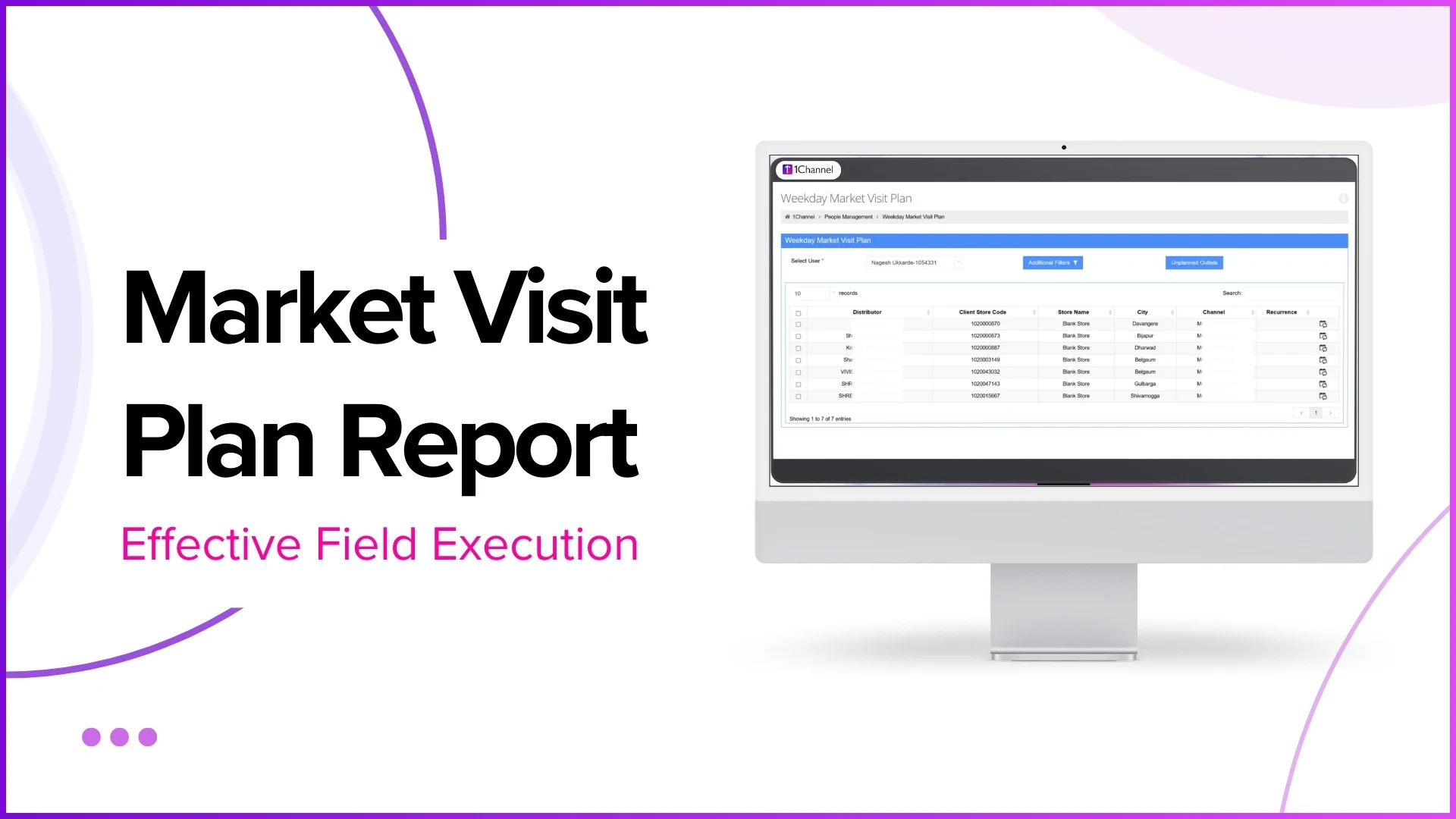
In an FMCG operation with 50 reps covering 4,000 outlets across Malaysia, the difference between 80% and 95% planned-visit completion translates to roughly 600 additional outlet touches every month. That gap is not closed by working harder. It is closed by deciding in advance, with structure, which rep should be where on which day. That decision lives inside the beat plan.
Table of Contents
Why Structure Beats Improvisation
Improvised coverage looks productive on a busy day, but it cannot be measured. Reps end up revisiting easy outlets in Petaling Jaya while quieter routes through Klang or Bukit Bintang accumulate gaps. Managers cannot tell whether a missed outlet was a deliberate skip or a routing oversight, because there is no plan to compare against.
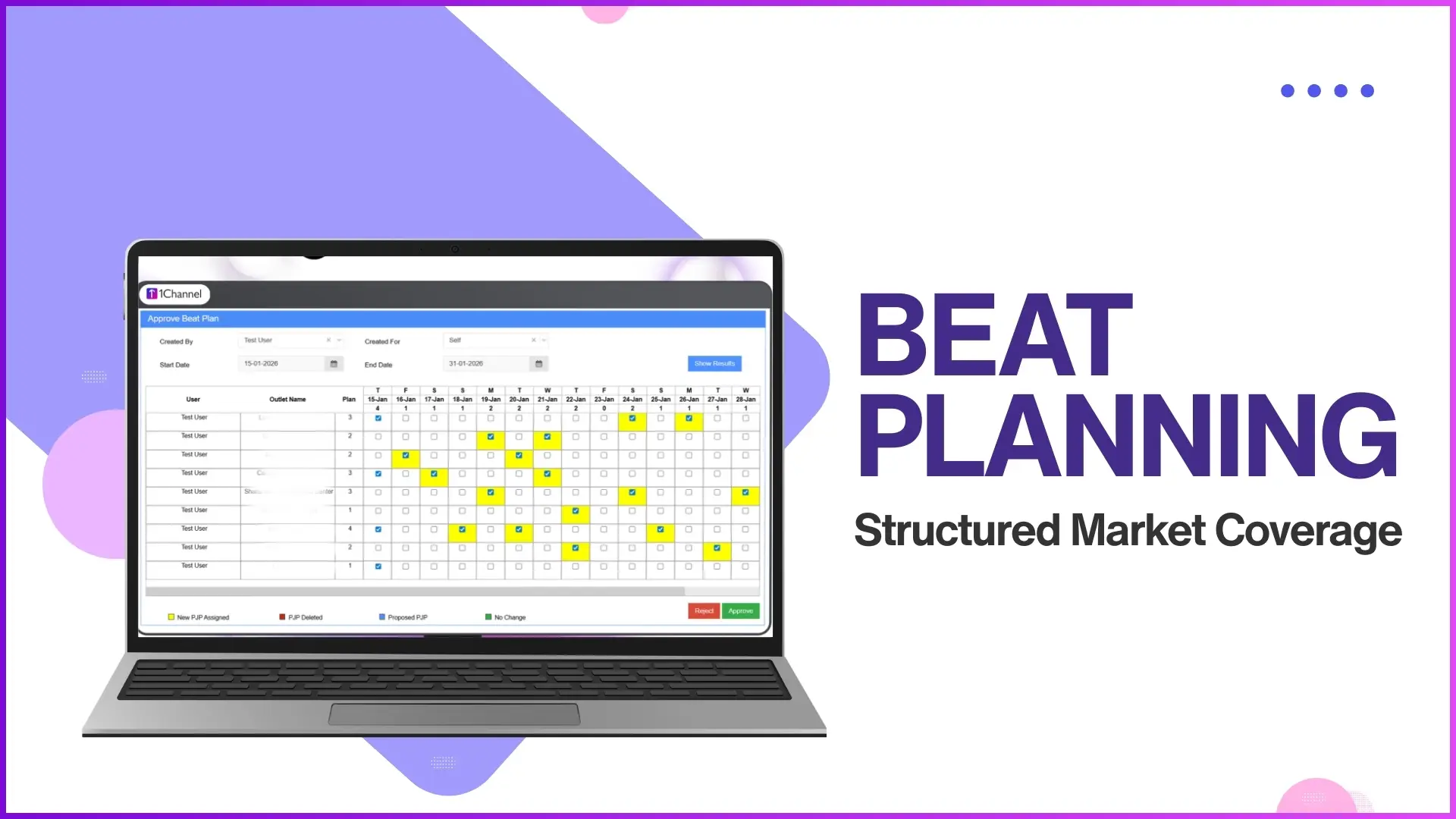
A structured beat plan converts coverage from intention into a comparable expectation. Every outlet is mapped to a specific rep, a specific weekday, and a specific visit frequency. When the actual visit data comes back, it lines up against the plan and the gaps become visible the same day rather than at the end of the cycle.
What Goes Into a Beat Plan
A beat plan is not just a list of stores. It pulls together four kinds of information that the SFA platform manages separately and reconciles at the moment the plan is built.
- Stores: from the store master, with channel, category, and territory attributes.
- Users: from the user master, with their role and reporting hierarchy.
- Weekday mapping: each store assigned to one or more weekdays based on visit frequency requirements.
- Recurrence rules: whether the plan is one-off, weekly recurring, or monthly recurring.
The platform supports bulk upload of these mappings through structured Excel templates, which is essential for any FMCG operation onboarding hundreds of outlets at a time. Smaller adjustments, such as adding a new outlet in Johor Bahru mid-month, can be made directly in the portal without re-uploading the entire plan.
Approval Flow for Beat Plan Changes
Beat plans cannot be edited freely by anyone. Changes flow through the Beat Plan Approval module, where the proposing user submits the change and the reporting manager reviews it. The approval routing follows the reporting hierarchy, so a team leader's proposed change reaches the area manager automatically without a side conversation.
This matters when reps want to swap outlets between weekdays to suit a personal routine. Without approval gating, beat plans drift into the rep's preference rather than the territory's needs. With approval, every modification has a manager signature and a timestamp behind it.
From Plan to Visit Compliance Data
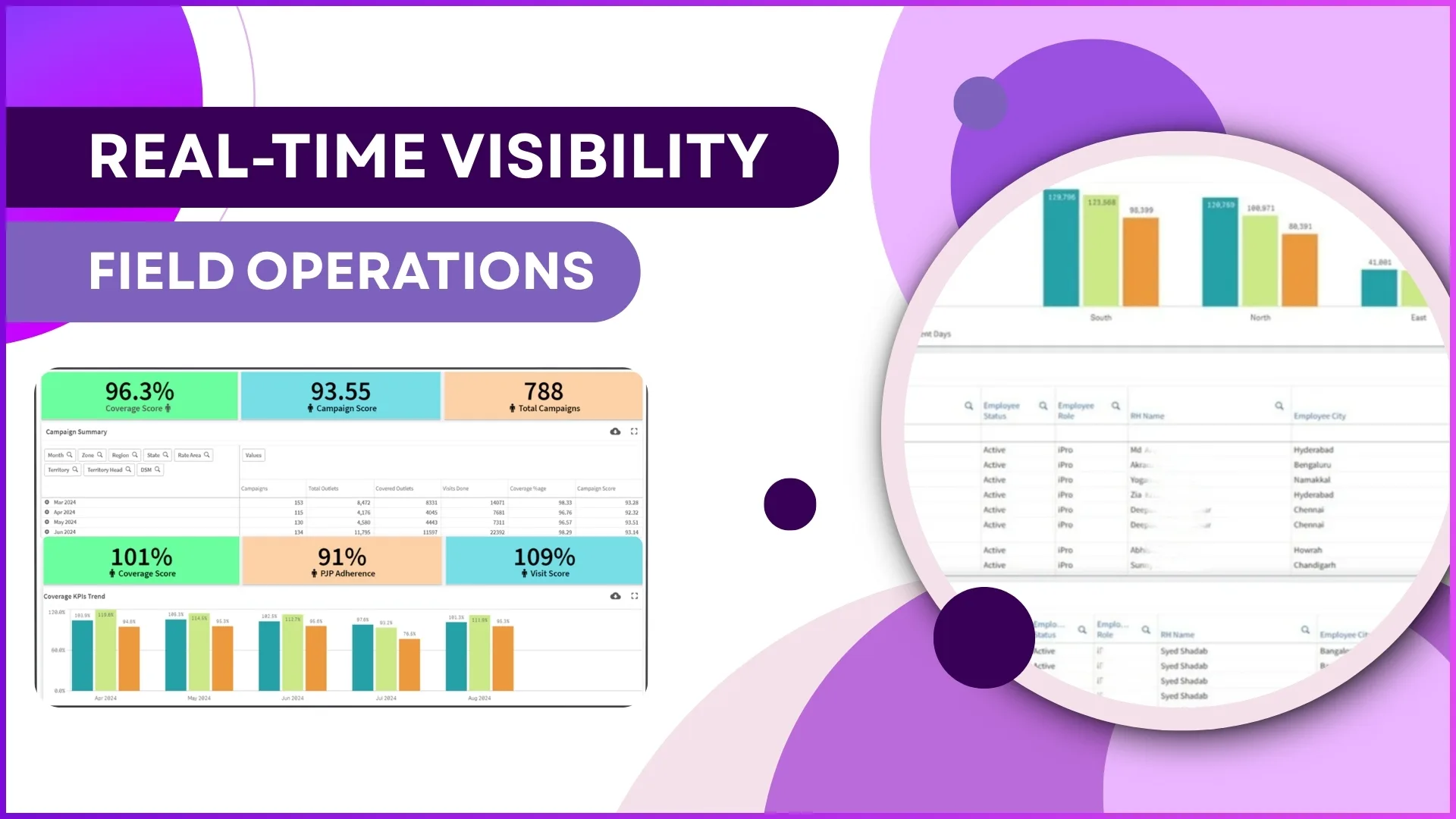
The plan only delivers value when actual visits are compared against it. Every check-in the rep performs during the day is matched to the beat plan in the background. The Beat Compliance Report shows the percentage of planned outlets that were actually covered, broken down by rep, territory, and date range. The Visit Productivity Report shows the parallel count of visits completed, including any unplanned ones.
For managers covering Klang Valley, Penang, or East Malaysia, this turns a question that used to require a WhatsApp roll call into a single dashboard refresh. A Tuesday plan calling for 12 outlets in Shah Alam can be verified by 5 PM, not by the end of the week.
Explore Sales Force Automation
1Channel's cloud SFA platform builds structured beat plans with approval flow, weekday assignment, and real-time compliance tracking for Malaysian field sales teams.
Explore SFA Solutions →What Good Beat Planning Looks Like in Practice
Consider a Klang Valley FMCG distributor with 18 reps covering 1,200 outlets across modern trade and traditional trade. The beat plan, uploaded once at the start of the quarter, assigns each rep to roughly 65 outlets distributed across Monday through Saturday. Traditional trade outlets like a 99 Speedmart or a sundry shop in Subang Jaya get visited weekly. Modern trade outlets like an AEON or Mydin get visited fortnightly, with merchandising visits coinciding with promotional cycles.
On a typical Wednesday, a rep starts their day at 9:00, marks attendance inside the first geofenced outlet, completes their planned visits in the configured sequence, and finishes by 5:30. The compliance dashboard shows 11 of 12 planned visits completed, the missed outlet flagged with the reason captured by the rep. The reporting manager sees the gap the same evening and either reassigns the outlet to Thursday or marks it as legitimately closed.
That is what structure delivers. Not a perfect day, but a measurable one. The next quarter's plan adjusts based on what the data shows, and the cycle tightens with every iteration rather than relying on guesswork.