Malaysia's pharmaceutical sector is one of the fastest growing in Southeast Asia. With over 200 licensed pharmaceutical manufacturers, hundreds of distributors, and a healthcare system that spans government hospitals, private clinics, and independent pharmacies across 13 states and three federal territories, the field sales challenge is enormous.
Medical representatives (MRs) criss-cross cities like Kuala Lumpur, Penang, and Johor Bahru every day, visiting doctors, pharmacists, and hospital procurement teams. Their managers sit in regional offices trying to understand which territories are being covered, whether sample distribution targets are being met, and if key opinion leaders are getting the attention they need.
Most of this still runs on spreadsheets, WhatsApp groups, and paper-based visit logs. The result is a lack of visibility into field activity, inconsistent reporting, compliance risks under NPRA (National Pharmaceutical Regulatory Agency) guidelines, and missed opportunities to deepen relationships with prescribers and distributors.
Sales force automation (SFA) solves these problems by digitising every aspect of pharmaceutical field operations. This article breaks down why it matters specifically for healthcare businesses operating in Malaysia.
Table of Contents
The Challenges of Running Pharma Field Operations in Malaysia
Before exploring the solutions, it helps to understand why pharmaceutical field sales are harder to manage than typical B2B operations.
Large, geographically dispersed field teams
A mid-sized Malaysian pharma company might have 80 to 150 medical reps covering Peninsular Malaysia alone, with additional teams in Sabah and Sarawak. Each rep visits 8 to 12 doctors or pharmacies daily. That means hundreds of field interactions happening simultaneously across the country, and without a centralised system, the head office has no way to verify what happened, where, or when.
Unlike a retail sales rep who works in fixed outlets, MRs operate on flexible routes that change based on doctor availability, clinic hours, and hospital schedules. This makes GPS-based tracking and digital beat planning essential rather than optional.
Strict regulatory requirements
Malaysia's NPRA enforces strict guidelines on pharmaceutical marketing and sample distribution. Companies must maintain detailed records of which products were promoted to which doctors, how many samples were distributed, and ensure that all claims made during detailing sessions comply with the Medicines (Advertisement and Sale) Act 1956.
When these records exist only in paper forms and WhatsApp messages, compliance audits become stressful and error-prone. A digital system that automatically logs every visit, every sample handover, and every promotional activity creates an audit trail that NPRA requires.
Trust-based relationships with prescribers
In pharma sales, the relationship between an MR and a doctor is built over months of consistent engagement. A doctor in a Penang specialist clinic expects their rep to remember past conversations, know which products were sampled, and follow up on feedback about efficacy or side effects. If the MR changes territory or leaves the company, that institutional knowledge often walks out the door.
Without a system that captures interaction history, preferences, and follow-up commitments, every personnel change risks damaging relationships that took years to build.
How SFA Solves These Challenges for Malaysian Healthcare Companies
1. Complete visibility into field force activity
SFA software gives managers real-time visibility into what every medical rep is doing in the field. When an MR marks attendance in the morning through the mobile app, the system captures their GPS location, a timestamped selfie, and uses AI face validation to confirm identity. Proxy attendance, where someone else marks in on behalf of a colleague, becomes impossible.
Throughout the day, every doctor visit is logged with check-in and check-out times, the GPS coordinates of the clinic or hospital, and the activities performed during the visit. Managers can pull up a beat compliance report to see whether each rep is following their planned route or skipping assigned facilities.
For a company with reps spread from Kota Bharu to Kuching, this level of visibility was simply not achievable with manual processes.
2. Regulatory compliance built into daily workflows
Instead of asking MRs to fill out compliance forms separately, SFA embeds regulatory requirements directly into the visit workflow. When a rep visits a doctor, the app prompts them to log which products were detailed, how many samples were distributed, and what claims were made. This data is captured in structured fields, not free-text notes, so it can be audited systematically.
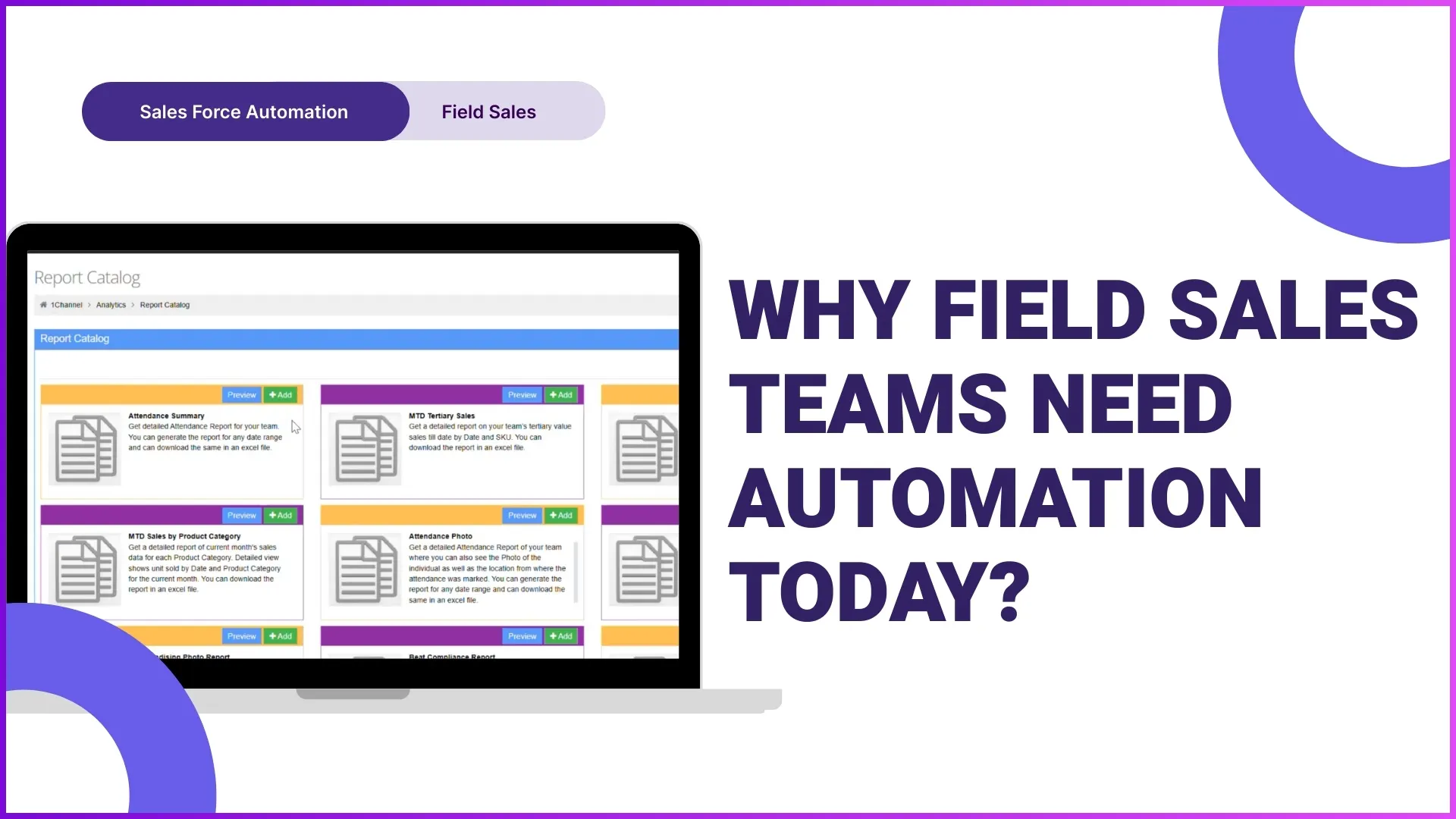
The report catalogue in the admin portal includes dedicated compliance reports: sample distribution trackers, visit detail reports with timestamps and locations, and merchandising reports for pharmacy display compliance. All reports can be downloaded in Excel format for submission to regulatory bodies or internal quality teams.
Because the data is captured at the point of activity rather than reconstructed later, it is inherently more accurate and defensible during NPRA audits.
3. Preserving doctor relationships across team changes
SFA acts as the company's institutional memory for prescriber relationships. Every interaction between an MR and a doctor is logged in the system: what products were discussed, what feedback the doctor gave, what samples were requested, and what follow-up was promised.
When an MR is transferred from the Klang Valley territory to Johor, or when a new rep takes over a territory, they can review the complete engagement history before their first visit. They walk in knowing that Dr. Ahmad in Subang Jaya prefers evening appointments, that Dr. Lim in Georgetown raised concerns about a specific formulation last quarter, and that the procurement head at Hospital Pantai has a pending order.
This continuity is not possible when relationship data lives in individual WhatsApp chats and personal notebooks.
4. Real-time tracking and route optimisation
Medical reps in Malaysian cities like KL and Johor Bahru spend a significant portion of their day in traffic. Without optimised route planning, a rep might visit a clinic in Bangsar, then drive 45 minutes to Cheras for the next appointment, when there were three other doctors to see in the Bangsar area itself.
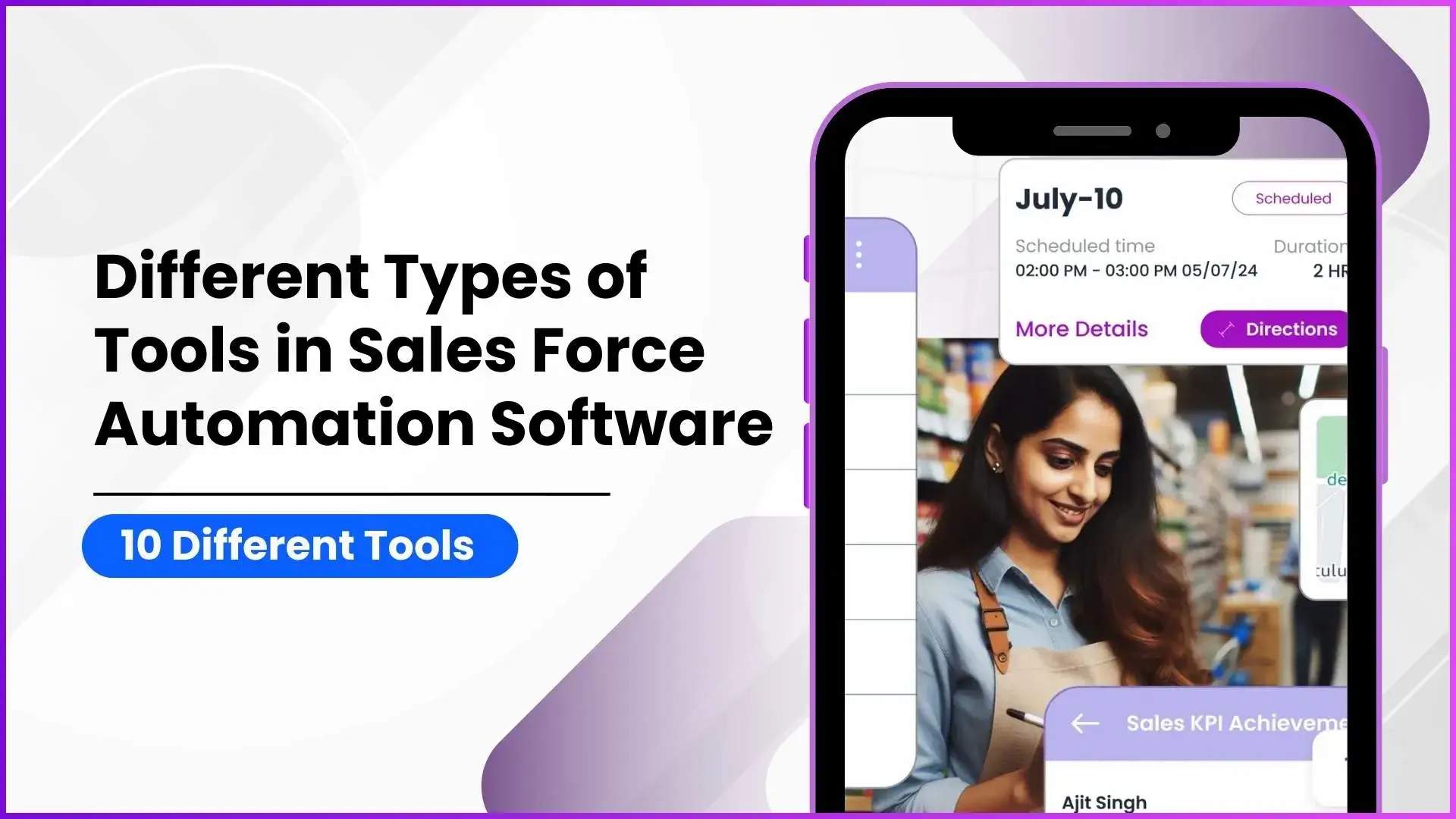
SFA platforms include beat plan management where managers create daily or weekly visit schedules assigned to each rep. The system considers doctor availability, clinic locations, and territory boundaries. Reps see their planned visits on the app and check in at each location, creating a complete record of their route for the day.
The user activity report then shows the distance travelled by each rep between visits, first and last transaction times, and total time spent in the field. This data helps managers identify reps who are spending too much time commuting and adjust beat plans accordingly.
5. AI-enhanced detailing and analytics
Modern SFA platforms are beginning to layer AI capabilities on top of the core automation. For pharmaceutical companies, this means smarter field operations in several ways.
AI-powered analytics dashboards can surface patterns that manual analysis would miss. For example, if a particular product is gaining traction with cardiologists in Penang but not with general practitioners in Selangor, the system flags this divergence. Sales managers can then adjust detailing strategies and sample allocation by region and speciality.
AI face validation at attendance ensures that the person marking attendance is actually the assigned rep, not a colleague or proxy. The reference photo captured at first login becomes the baseline for every subsequent verification.
Conversational AI features are also emerging, where reps can ask the system questions like "How many doctors did I visit this week?" or "What was my sample distribution count for Product X?" and get instant answers without navigating through multiple report screens. For MRs who are on the move all day, this kind of quick data access makes a practical difference.
Frequently Asked Questions
Why is SFA important for healthcare and pharma companies in Malaysia?
SFA helps manage large field teams of medical representatives, ensures compliance with NPRA regulations, preserves doctor and distributor relationships through structured data capture, and provides real-time visibility into field activities across all states.
How does SFA improve medical rep management?
Managers can track daily visit activity, beat compliance, and attendance of every MR in real time through the admin portal. GPS-stamped check-ins, AI face validation, and automated reporting replace manual WhatsApp updates and paper logs.
Can SFA help with NPRA compliance?
Yes. SFA captures sample distribution, product detailing records, and visit logs in structured, timestamped formats that create a complete audit trail. This data can be exported in Excel for submission during regulatory audits.
How does SFA protect doctor relationships when reps change territory?
Every interaction, preference, and follow-up commitment is logged in the system. When a new rep takes over a territory, they can review the full engagement history before their first visit, ensuring continuity that is not possible with personal notebooks or chat logs.
What role does AI play in pharmaceutical SFA?
AI powers face validation for attendance verification, surfaces analytical patterns across regions and product categories, and enables conversational queries where reps can ask questions about their performance data directly through the app.
Is SFA suitable for small pharma companies in Malaysia?
Yes. Cloud-based SFA platforms require no on-premise infrastructure and can start with a small team. Role-based access means you configure only the modules your team needs, and the system scales as your field force grows.
Transform Healthcare Sales with Automation
Empower your pharma and healthcare teams to manage field forces, ensure NPRA compliance, build prescriber trust, and grow distribution faster with 1Channel SFA.
Book a Free Demo →Final Words
The Malaysian pharmaceutical market is growing, and with that growth comes greater complexity in managing field sales operations. Companies that continue to rely on manual tracking, paper-based compliance records, and fragmented communication tools will find it increasingly difficult to maintain visibility, satisfy regulatory requirements, and retain prescriber relationships.
Sales force automation addresses each of these challenges by digitising the daily workflow of medical representatives and giving managers real-time access to field data. With AI capabilities now built into leading platforms, the shift goes beyond simple digitisation into intelligent field operations that surface insights, prevent fraud, and optimise resource allocation.
For pharma and healthcare companies in Malaysia looking to professionalise their field operations, 1Channel's Sales Force Automation platform is built for exactly this purpose. Get in touch to see how it fits your operation.