A shopper decides how far to trust a brand counter within a few seconds of walking up to it. Across Indian retail, from mobile phone showrooms to beauty aisles, that judgement starts with the promoter.
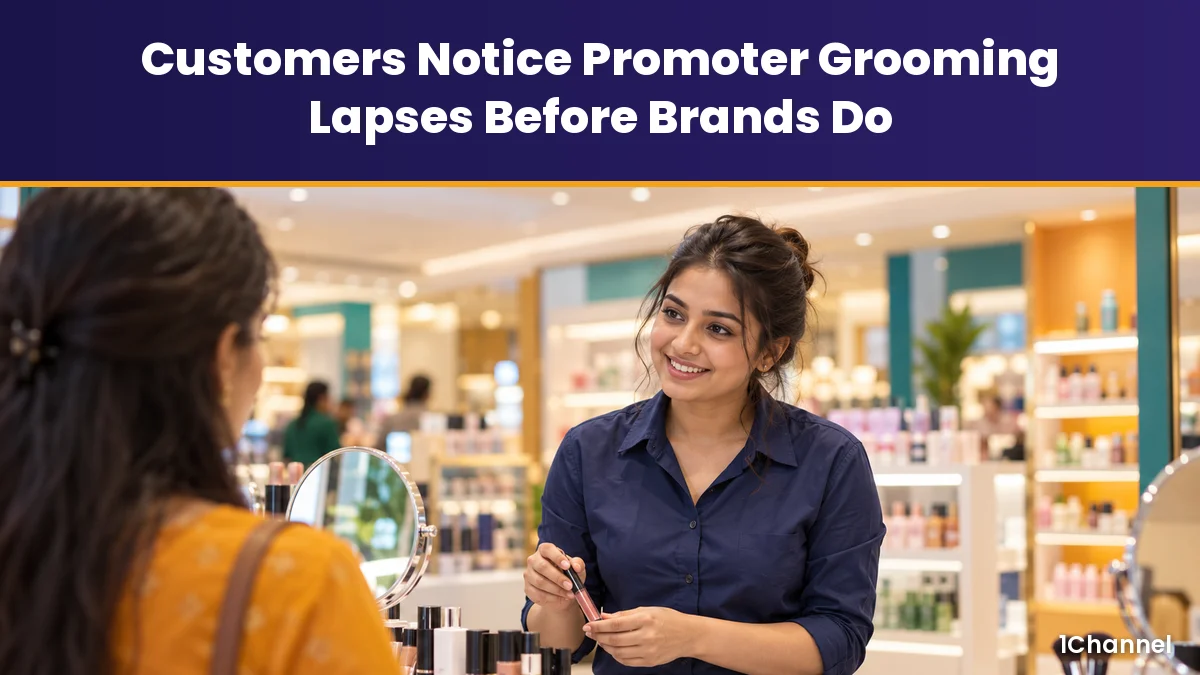
A faded uniform, a missing ID lanyard or an untidy appearance registers with the customer straight away. The brand that employs the promoter usually hears about it much later, if at all.
Grooming standards are written once at head office. They get checked only when someone from the brand is standing in the store.
Why Head Office Sees Grooming Lapses Last
Several people see a promoter during a working day. Only one of them reports to the brand, and only on certain days.
| Who sees the promoter | How often | What happens next |
|---|---|---|
| Shoppers | Every interaction, all day | They form a view of the brand and rarely say anything |
| Store staff | Every shift | They notice, but the promoter is not theirs to correct |
| Area supervisor | On visit days | They record what they see that day |
| Head office | Through reports | They see audit summaries, not the other working days |
A promoter who knows a visit is due will usually look the part that morning. Audits measure the visit day well and the other days hardly at all.
This is a coverage problem, not a supervisor problem. One person cannot stand in every store every morning.
Four Lapses Shoppers Notice First
Most brand grooming rules come down to a handful of things a shopper can see from across the counter:
- Uniform: the wrong shirt, a missing brand tee or personal clothing mixed in, so the promoter looks like store staff.
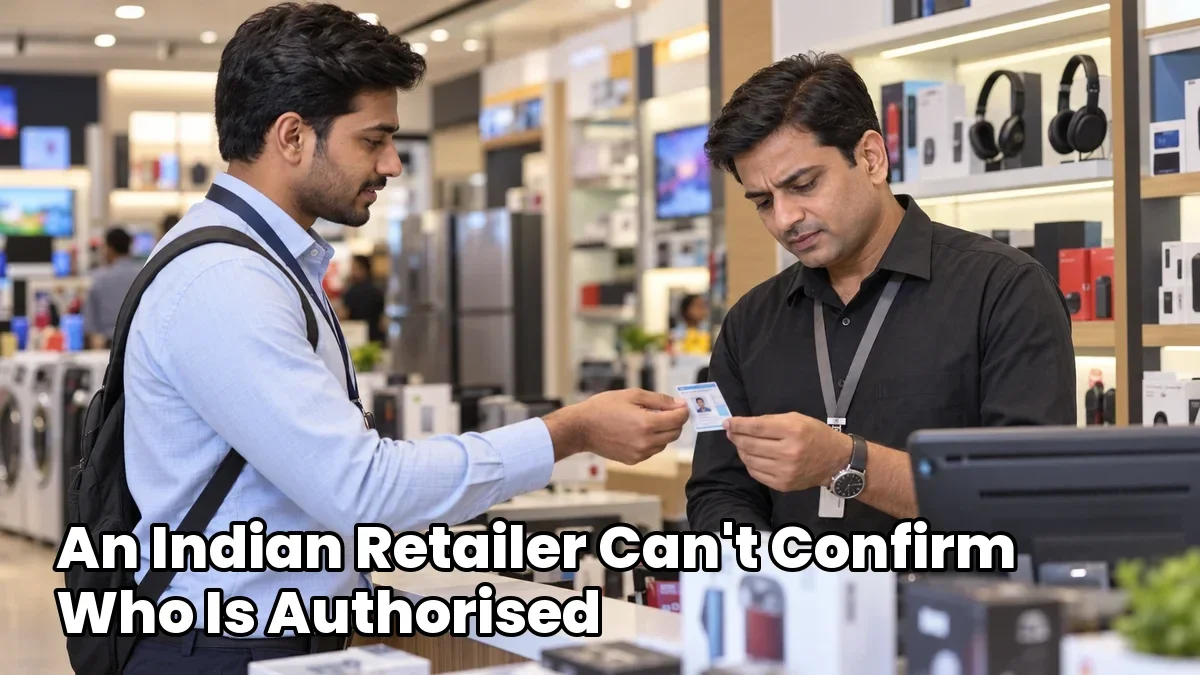
- ID lanyard: no visible ID, so shoppers and store staff cannot tell who actually represents the brand.
- Dress condition: creased, stained or faded clothing after weeks of daily wear.
- Personal grooming: hair, hygiene and overall neatness, as the brand's own rules define them.
On beauty counters, where advisors demonstrate products on shoppers, these standards carry even more weight. They are also specific enough to score, which is what makes a daily check possible.
How 1View Checks Grooming at Every Check-In
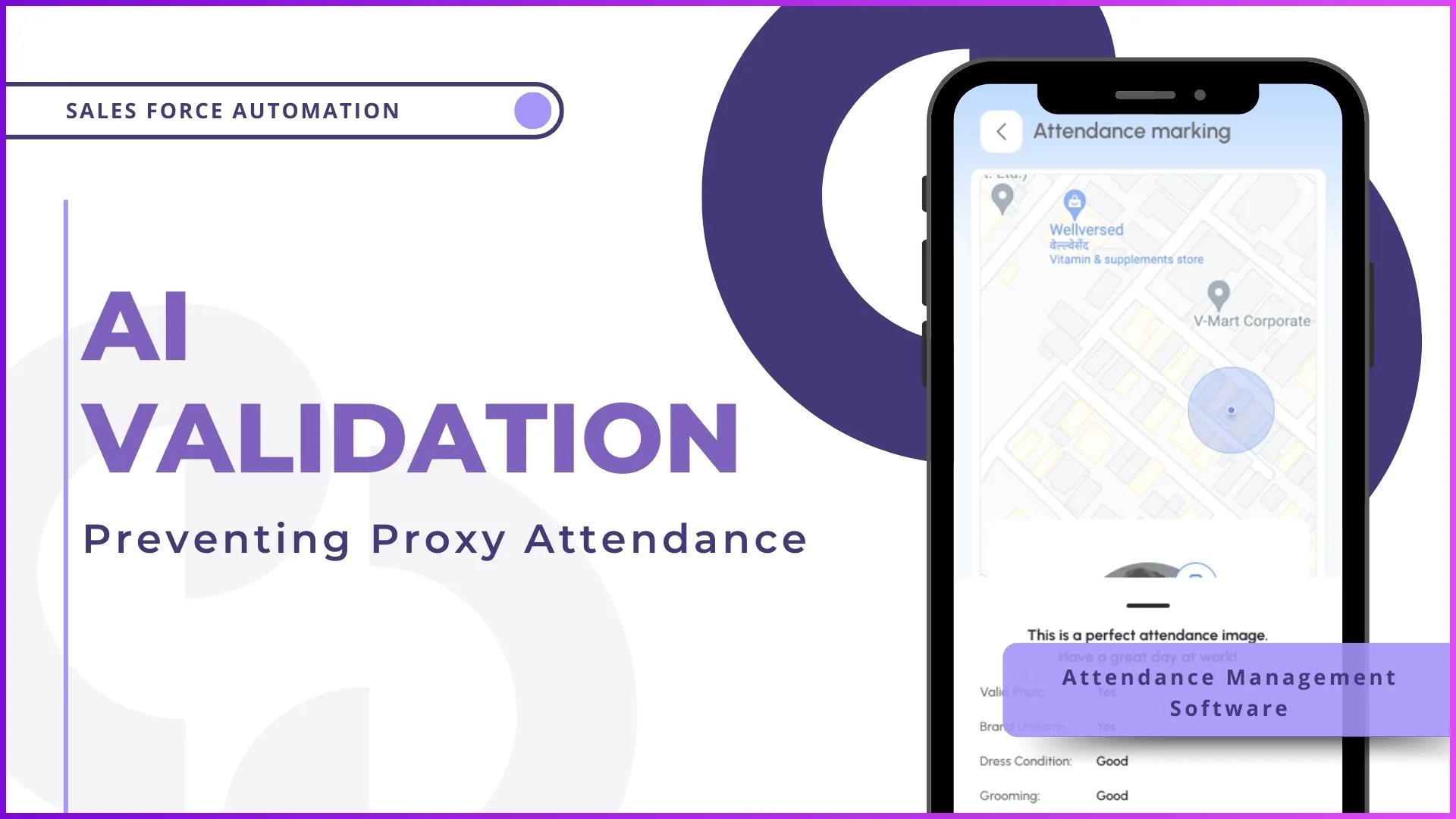
1View, 1Channel's field-force app, builds the grooming check into the way a promoter starts the day. The Start your day flow captures a selfie, the location and a grooming check, then the promoter checks in.
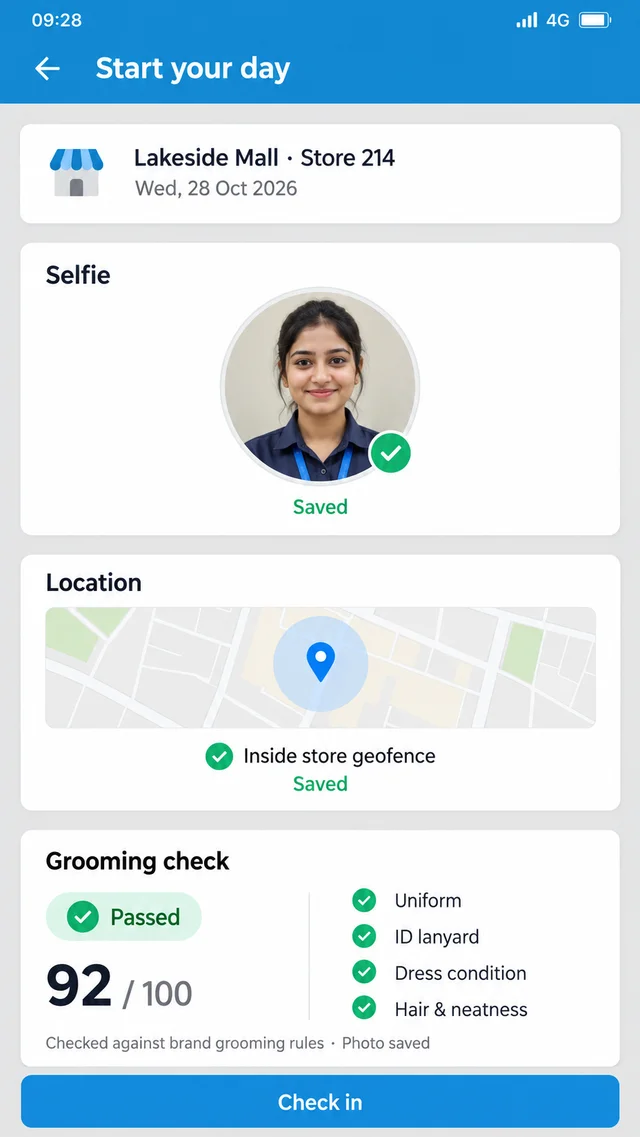
- Every check-in: brand standards are checked automatically each time a promoter checks in, not only on audit days.
- Your own grooming rules: the brand decides what counts as on-standard for its own counters.
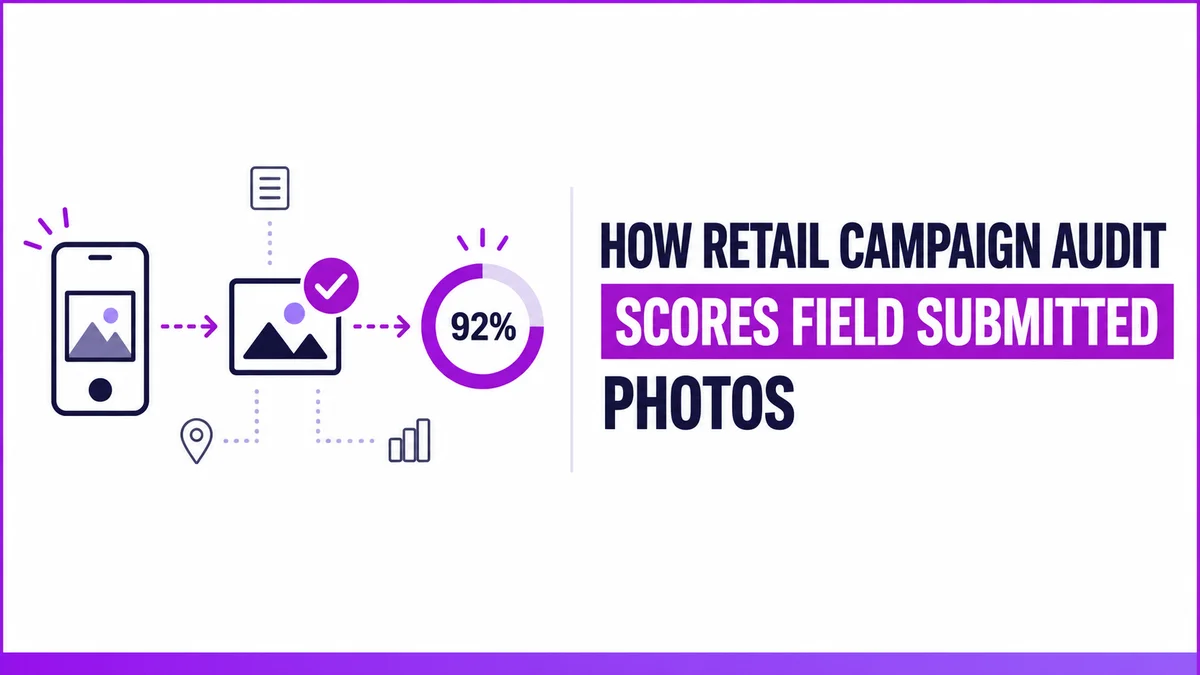
- Scores with photo evidence: each check is scored and saved with the photo, so a result can be reviewed rather than argued over.
- Proxy-proof check-in: the selfie is matched against the promoter's approved reference photo, alongside store-level geofencing.
- Points for standards: grooming can earn reward points alongside attendance, targets and sales.
A Grooming Check That Runs Before the Shift Starts
1View, 1Channel's field-force app, adds an AI grooming check to every check-in, scored against your own rules and saved with photo evidence. Brands see who met standard each day, not just on audit days.
Explore 1Channel's Sales Force Automation →What Daily Coverage Looks Like in Numbers
Supervisor visits still matter. The SFA portal's Audit People Hygiene screen logs Photo, Valid Photo, Lanyard, Uniform, Dress Condition and Grooming for each person, so in-person audits sit alongside the daily record.
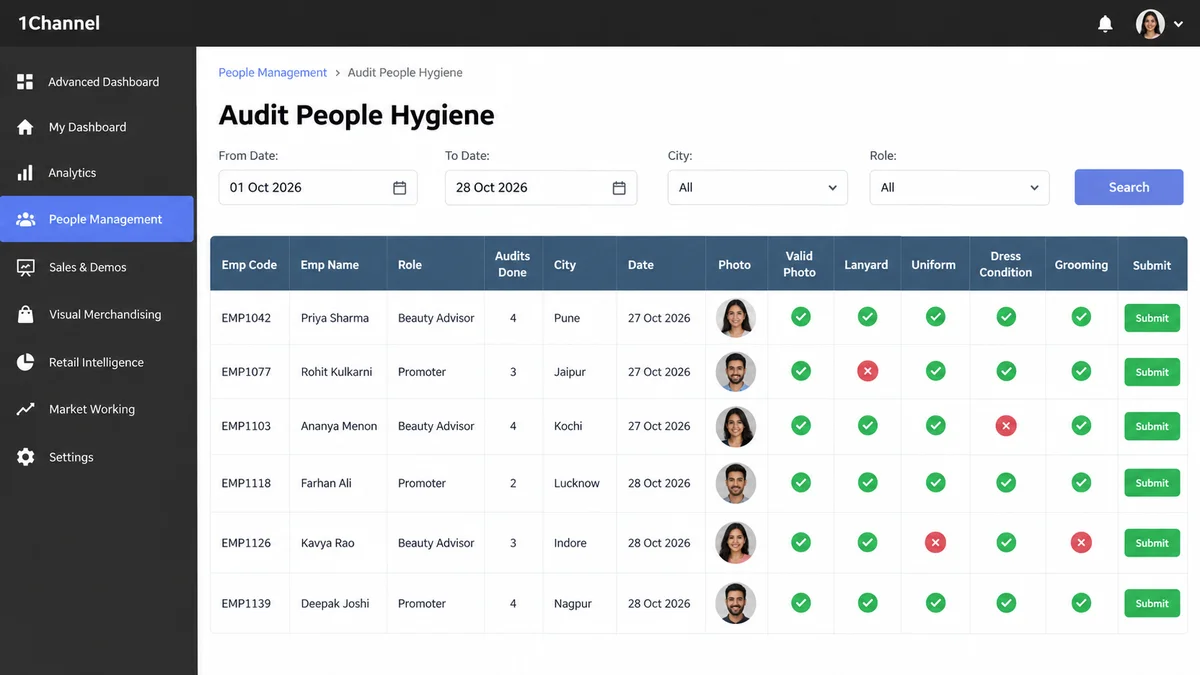
Take an illustrative brand with 40 promoters in 40 stores, each working 26 days a month. A supervisor audits each store twice a month.
| Audit visits only | Check at every check-in | |
|---|---|---|
| Promoter-days checked | 80 of 1,040 | 1,040 of 1,040 |
| Share of the month covered | Under 8% | All of it |
| Evidence | Supervisor's notes from the visit | A score and photo per check-in |
| When the record exists | On visit days | At each check-in |
The audits still happen. They stop being the only moment the brand learns what shoppers have seen all month.
Common Mistakes With Promoter Grooming Standards
- Writing vague standards: "look presentable" cannot be scored, while uniform, ID and dress condition can.
- Checking only on visit days: it measures the visit, not the month the shopper experiences.
- Treating every lapse as discipline: repeated dress-condition issues can mean a uniform needs replacing, not a warning.
- Rewarding sales alone: when grooming earns points too, standards stop feeling like a penalty-only rule.
- Keeping grooming separate from check-in: a separate process is a step people skip, while a check at check-in happens every day.
Shoppers will keep noticing first. The aim is for the brand to know the same day.
Note: Software screens may vary based on your business structure and configured workflows.