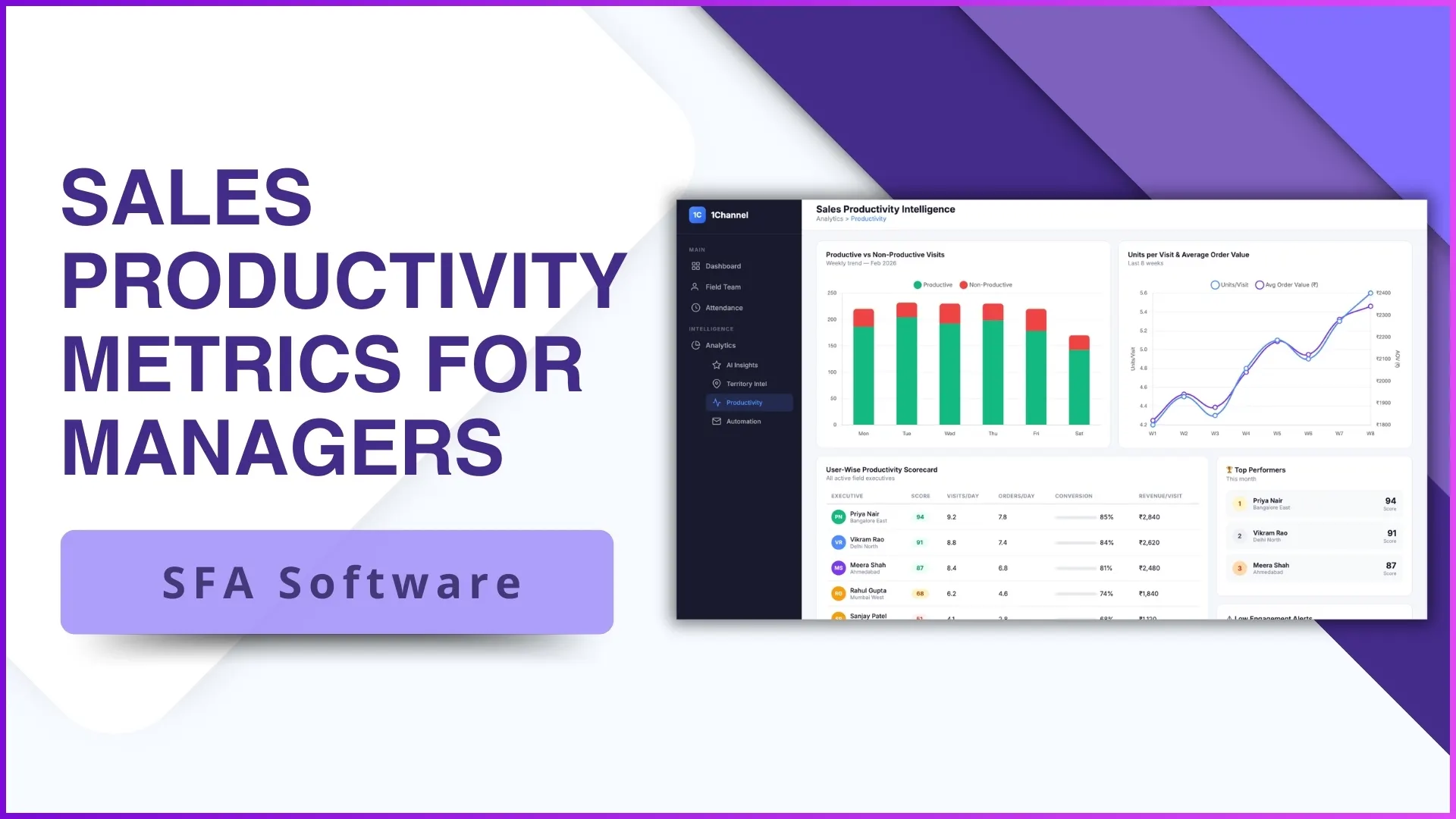
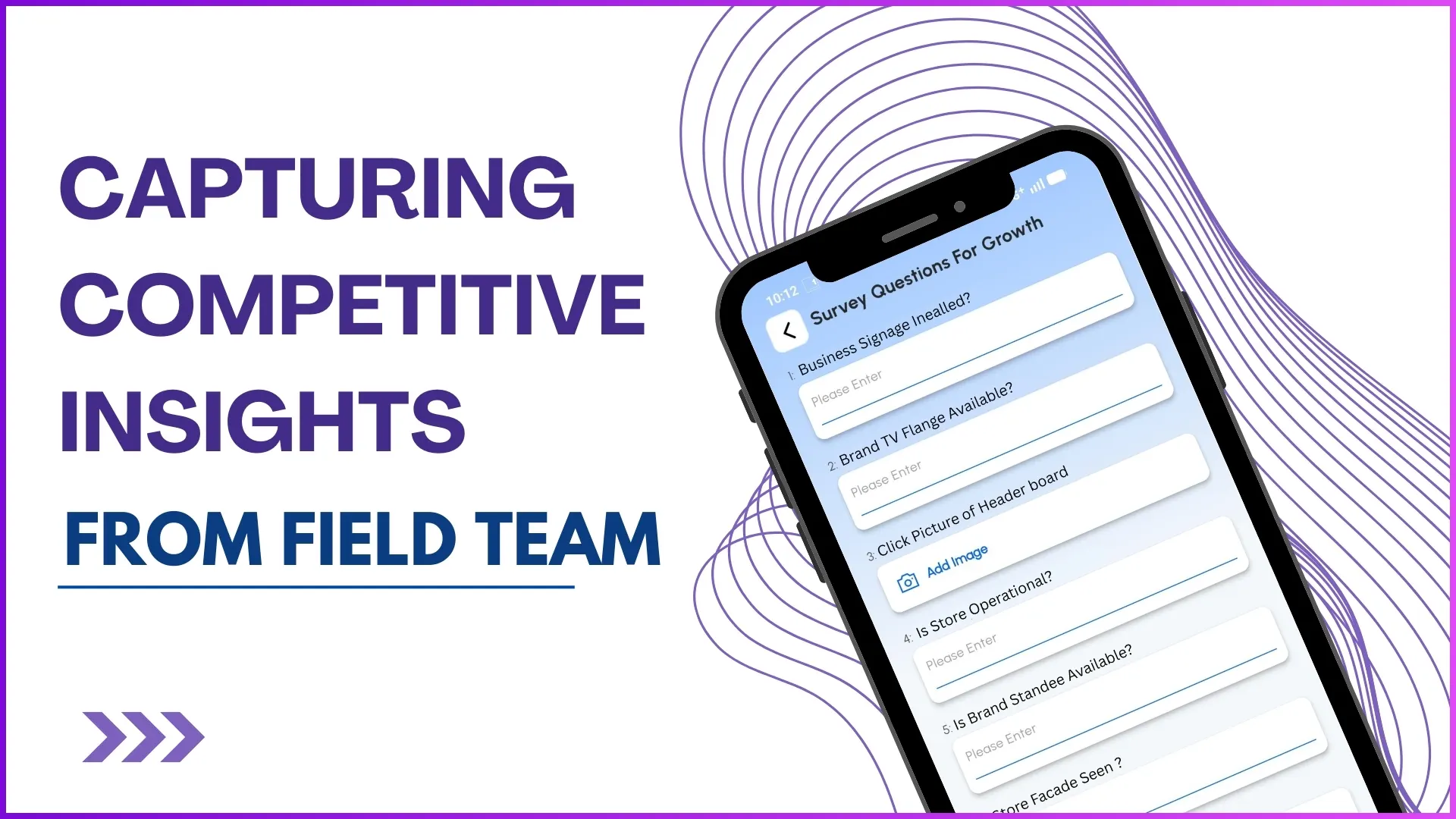
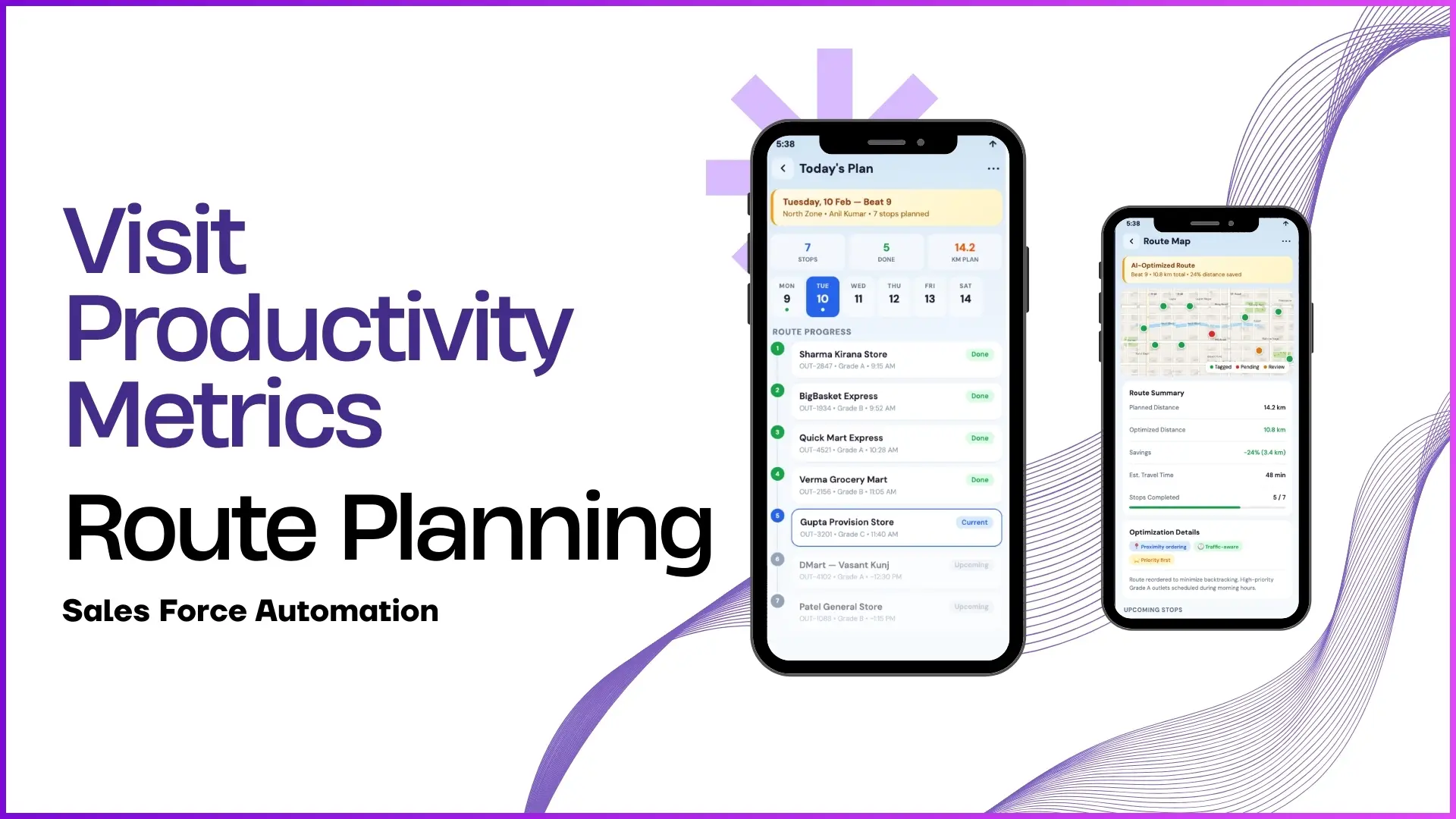
Field sales operations generate large volumes of real-time data every day attendance records, market visits, orders, merchandising updates, and retail insights. For businesses to make timely decisions, this data must move seamlessly between the field sales application used by employees and the central system accessed by managers and administrators.
A data sync mechanism in field sales apps ensures that information captured by field teams is accurately transferred to the central platform and reflected in dashboards, reports, and analytics. This process helps organizations maintain reliable records and gain actionable insights from field activities.
This article explains how data synchronization works in field sales applications and why it plays a crucial role in improving operational visibility.
Understanding Data Synchronization in Field Sales Applications
Data synchronization refers to the process of transferring and updating data between the mobile application used by field employees and the centralized software portal used by administrators and managers.
In a field sales environment, employees use the mobile application to perform tasks such as:
- Marking attendance
- Recording market visits
- Managing store data
- Capturing sales orders
- Uploading merchandising details
- Updating retail intelligence information
Once this data is captured, it must be synchronized with the central system so that it appears in dashboards, analytics, and reporting modules.
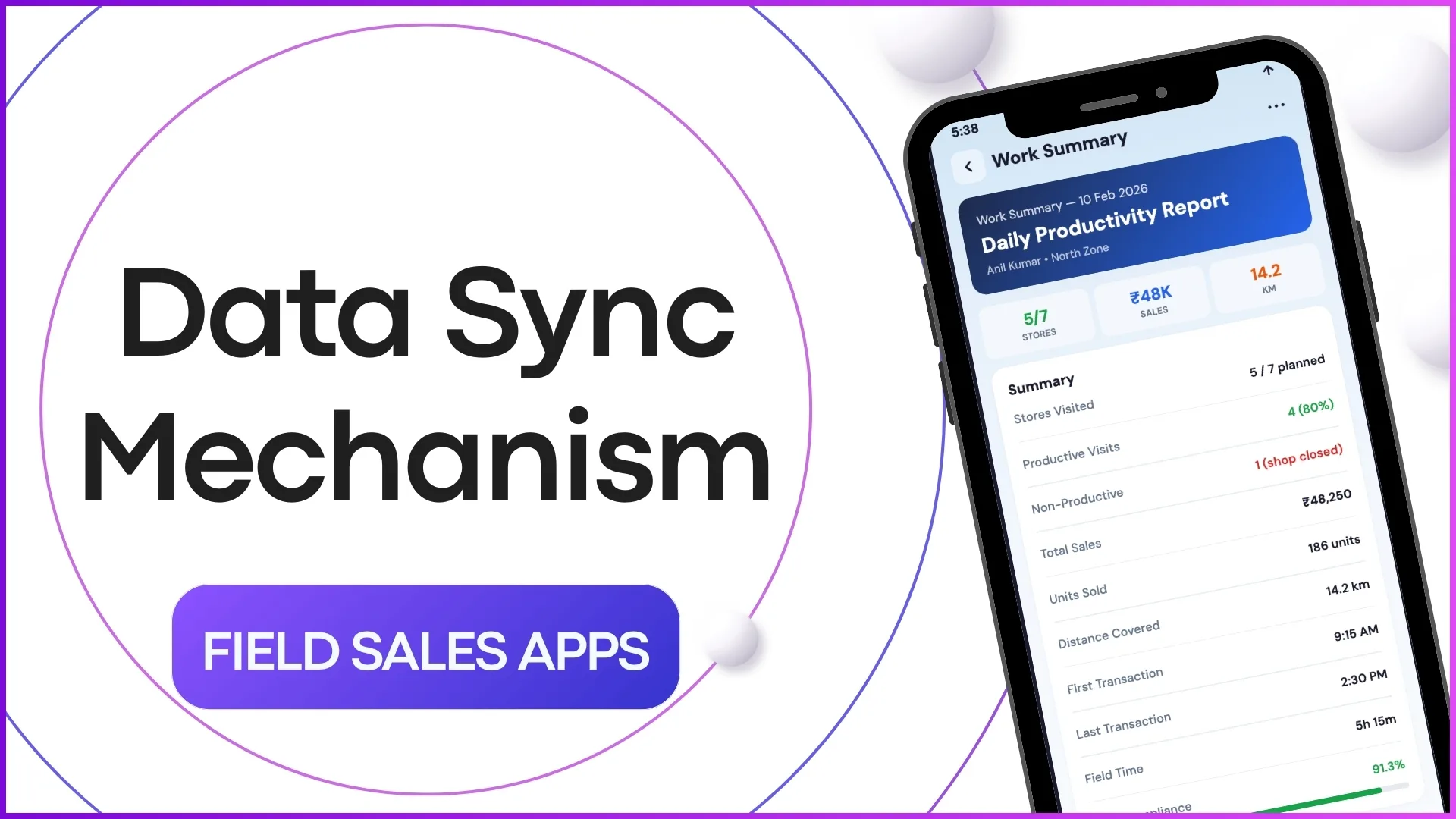
For example, when a sales representative records attendance and completes market visits during the day, the data becomes available in the dashboard and analytics section after synchronization, allowing managers to track performance and compliance.
Why Data Sync is Critical for Field Sales Operations
A well-designed data synchronization system ensures that the information captured by the field team is always accessible and usable for business decisions.
1. Real-Time Operational Visibility
Field data becomes valuable only when it is visible to decision-makers.
Through synchronization, information such as attendance reports, visit data, and sales updates becomes available in the advanced dashboard, where administrators can view metrics like:
- Attendance reporting percentage
- Present reporting percentage
- Late attendance percentage
- Market visit percentage
- Defaulter attendance records
This helps managers quickly understand employee activity and compliance.
2. Accurate Analytics and Reporting
Analytics modules rely on synchronized data to generate insights.
Sections such as report catalogues, reports, order fulfilment data, and analytics dashboards depend on field data being regularly updated. If synchronization does not occur properly, the reports may not reflect the actual field situation.
For instance:
- Sales orders captured by field representatives must sync with the system to appear in order reports.
- Retail insights recorded during store visits must sync to generate analytics reports.
3. Centralized Data Management
Field sales apps allow employees to capture large amounts of information from different markets and locations. Synchronization ensures that this data is stored in a centralized platform where it can be managed effectively.
Administrators can then:
- Monitor employee performance
- Analyse market data
- Review sales activities
- Manage operational workflows
All of this becomes possible because the data collected in the mobile application is synchronized with the central system.
4. Improved Employee Accountability
When attendance, visit records, and activity data are synchronized with the main system, managers can track employee compliance more effectively.
For example:
- Attendance reporting and late attendance data become visible in compliance reports.
- Market visits recorded in the application can be analyzed to measure field productivity.
This ensures transparency across the organization.
Key Components of a Data Sync Mechanism
A field sales application's synchronization process typically involves several interconnected components that work together to maintain data consistency.
Mobile Application Data Capture
Field representatives use the application to record activities such as:
- Attendance marking
- Market visits
- Store data updates
- Order placement
- Visual merchandising updates
All these inputs form the primary data collected from the field.
Central Portal and Dashboard
Once synchronized, the collected data becomes visible in the central portal.
Administrators and managers can access modules such as:
- Advanced dashboards
- Analytics sections
- Report catalogues
- Order fulfilment reports
These modules convert raw field data into meaningful insights.
Analytics and Reporting System
After synchronization, the system organizes the data into structured reports. Managers can filter and analyse information such as:
- Employee attendance compliance
- Market activity reports
- Sales performance insights
- Store-level information
This helps businesses evaluate field operations effectively.
Example of Data Sync in Field Sales Workflow
Consider a typical field sales scenario.
- A sales representative logs into the mobile application and marks attendance.
- The representative visits retail stores and records visit details.
- Sales orders and merchandising updates are captured in the app.
- The application synchronizes this data with the central portal.
- Managers view the updated information in dashboards and analytics reports.
This synchronized workflow ensures that the organization always has updated field data for monitoring and decision-making.
Benefits of an Efficient Data Sync Mechanism
When synchronization works efficiently, businesses experience several advantages:
- Reliable data availability for dashboards and reports
- Improved visibility into field team activities
- Better decision-making using updated analytics
- Streamlined field operations with centralized data tracking
- Enhanced productivity monitoring through attendance and visit reports
These benefits make data synchronization one of the most critical technical elements of a field sales application.
1Channel SFA – Powering Efficient Field Sales Data Management
Modern field sales operations require a reliable platform that ensures smooth data flow between mobile applications and central systems.
1Channel SFA provides a robust field sales automation solution where field activity data such as attendance, market visits, orders, and retail insights can be captured through the mobile application and reflected in dashboards, analytics modules, and reports within the central portal.
With customizable dashboards, advanced analytics capabilities, and centralized data visibility, businesses can efficiently manage their field teams while maintaining accurate operational records.
Streamline Your Field Sales Data Management
1Channel SFA delivers powerful data synchronization between mobile apps and central dashboards. Ensure real-time visibility, accurate reporting, and seamless field operations with automated data flow.
Explore Sales Force Automation →Conclusion
A strong data synchronization mechanism is essential for the success of any field sales application. It ensures that the information collected by field representatives is instantly available to managers through dashboards, analytics modules, and reporting systems.
By maintaining consistent and accurate data flow between the mobile application and the central portal, organizations can improve transparency, monitor field performance effectively, and make informed business decisions based on reliable data.
In modern sales environments, efficient data synchronization is not just a technical feature it is the backbone of effective field sales management.