A retailer in Delhi receives a fresh shipment of packaged snacks. The products are delivered on time, the inventory is recorded, and the distributor marks the outlet as stocked. Yet, weeks later, several packets remain unsold.
The sales report shows that the products reached the store. What it doesn't explain is why customers aren't buying them.
This is a common operational challenge for Indian FMCG brands. Products may reach thousands of retail outlets, but their movement depends on much more than distribution. Shelf placement, stock rotation, retailer preferences, product accessibility, and in-store execution all influence what eventually gets sold.
The real challenge isn't always getting more products into stores. Sometimes, it's understanding why the existing stock isn't moving.
Stock Availability, Shelf Visibility, and Retail Execution Are Different
These three aspects of retail performance are closely connected, but they measure different things.
Stock availability confirms whether a product is physically present at an outlet. This may include products displayed on shelves as well as inventory stored behind the counter or in a backroom.
Shelf visibility refers to whether customers can easily notice and access the product. An SKU can be available in the store while remaining difficult to find.
Retail execution covers how products are displayed, replenished, arranged, promoted, and maintained according to the brand's merchandising expectations.
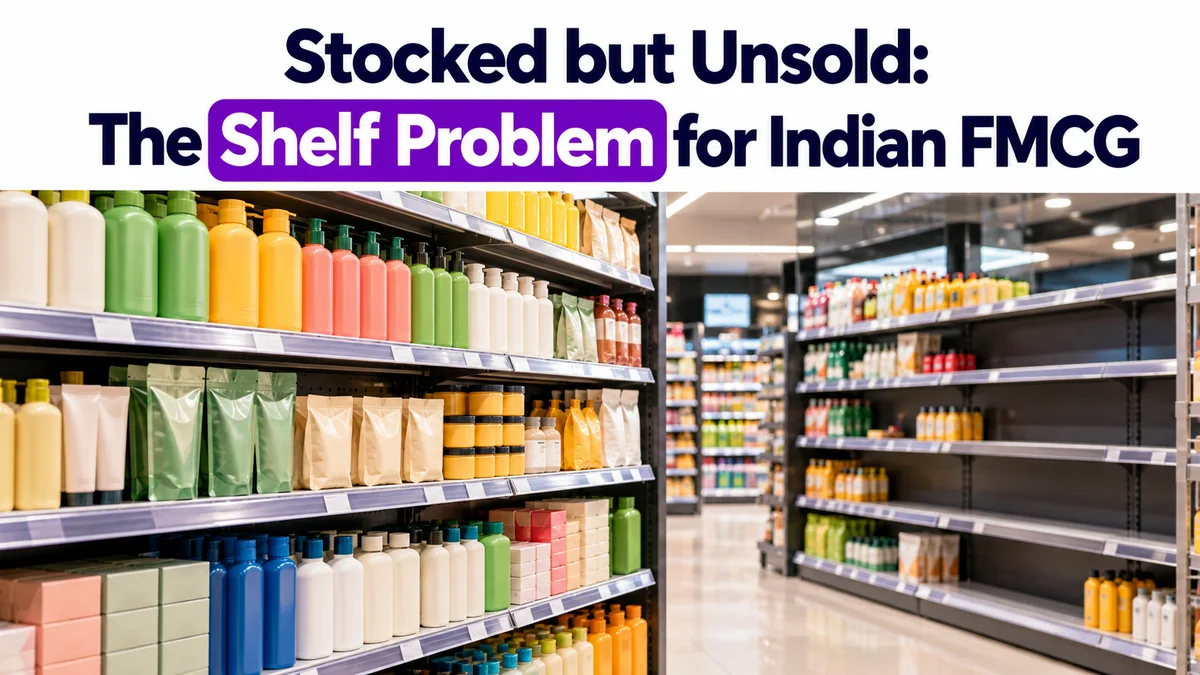
Consider a personal care brand supplying 20 shampoo bottles to a neighbourhood store. The stock is available, but only two bottles are displayed near the bottom of a crowded shelf. The remaining bottles stay inside a storage cabinet.
From a distribution perspective, the outlet is stocked. From an execution perspective, the brand still has a problem.
These differences matter because increasing supply cannot automatically correct poor in-store execution.

Four Reasons FMCG Products Stay on Shelves
Unsold inventory is not always a sign of weak consumer demand. In many cases, the problem develops through everyday retail decisions.
1. Poor Product Placement
A product placed behind larger packs, above comfortable reach, or inside a crowded display may receive less attention.
For example, a newly introduced biscuit variant may be available at a store but positioned behind established products. Customers buying familiar brands may never notice the new option.
Good placement does not guarantee a sale, but poor placement can reduce the chances of purchase.
2. Excess Stock Without Matching Demand
Retailers may receive more inventory than an outlet can realistically sell within a reasonable period.
A slow-moving product might be replenished because the previous delivery was recorded successfully, even though much of the earlier stock remains.
Over time, this creates excess inventory, occupies limited storage space, and increases the risk of ageing or expiry.
The number of units delivered is not the same as the number of units sold to shoppers.
3. Weak Stock Rotation
Fast-moving consumer goods often depend on consistent stock rotation, particularly products with limited shelf lives.
When older batches remain behind newer deliveries, retailers may sell fresh inventory first while earlier stock continues ageing.
Poor stock rotation can result in damaged packs, expired goods, product returns, and unnecessary losses.
Practices such as First Expiry, First Out (FEFO) can help retailers prioritise products approaching their expiry dates.
4. Inconsistent In-Store Execution
Brands may plan shelf arrangements, promotional displays, product facings, and point-of-sale materials, but actual execution can vary from one outlet to another.
A promotional standee may never be installed. A designated shelf section may be occupied by unrelated products. Required SKUs may not be replenished after selling out from the display, despite additional inventory being available.
Without regular checks, these small execution gaps can persist for weeks.

Why the Problem Is Harder Across Indian Retail Formats
India's retail environment includes neighbourhood kirana stores, independent supermarkets, convenience outlets, regional chains, and modern trade stores.
Each format presents different merchandising conditions.
In a small kirana store, available space is limited, and the shopkeeper often decides which products remain within easy reach. Some items may be stored behind the counter and handed to customers only when requested.
In supermarkets, brands may have more organised shelf space, but product placement, promotional execution, and replenishment still require attention.
A single merchandising standard may therefore be impractical across every outlet.
For example, a large supermarket may accommodate multiple facings of a product, while a small neighbourhood retailer may have space for only one or two packs.
FMCG companies need to consider outlet size, product demand, sales history, and retail format when setting display and replenishment expectations.
Otherwise, the same merchandising target may be unrealistic for one outlet and insufficient for another.
Why Manual Store Checks Don't Tell the Full Story
Field sales representatives and merchandisers regularly visit retail outlets to review stock, collect orders, and check displays.
However, a completed visit doesn't necessarily mean every merchandising issue has been identified.
A representative may confirm product availability without checking whether older inventory is moving. A visit report may record that promotional materials were installed without showing whether they remain properly displayed.
Other challenges include inconsistent reporting between field employees, delayed communication of store-level problems, and limited visibility into whether corrective actions were completed.
Photos, checklists, and retailer feedback provide useful evidence, but they must be reviewed alongside actual stock movement and sales patterns.
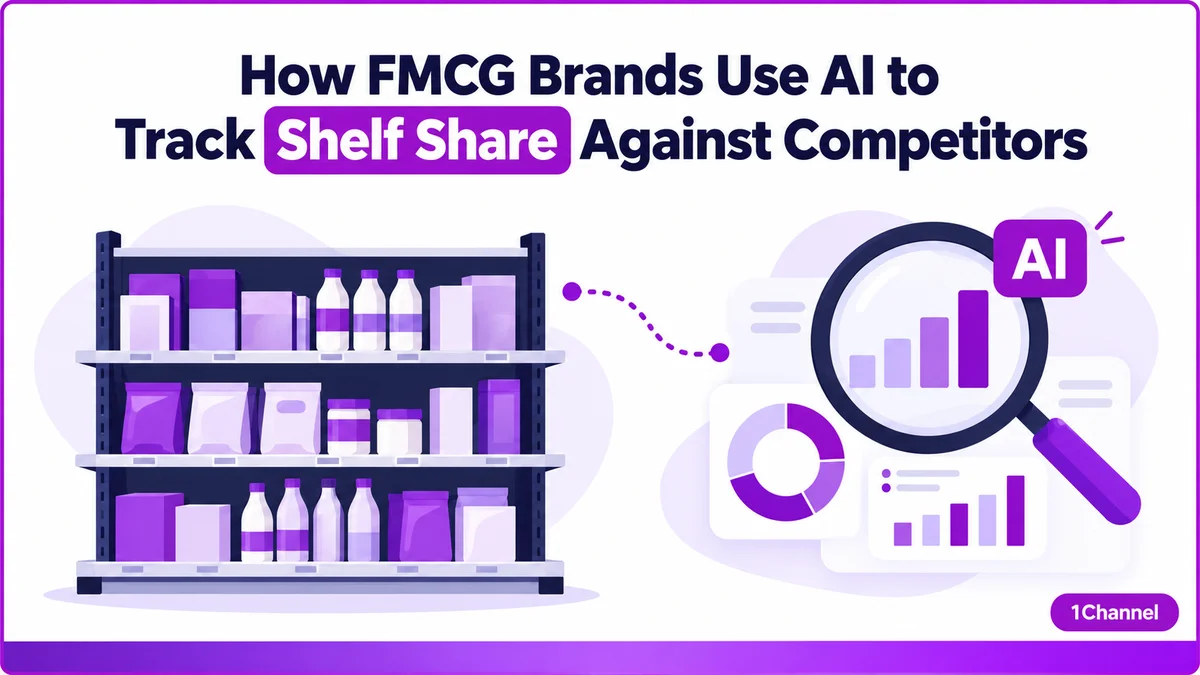
For FMCG brands managing large outlet networks, the challenge is not simply collecting more field data. It is making routine store observations consistent, actionable, and relevant to business decisions.
What FMCG Brands Should Measure Beyond Stock Availability
A more useful view of retail performance combines inventory, merchandising, and product movement.
| Retail Indicator | What It Helps Identify |
|---|---|
| Stock ageing | Products remaining in inventory for extended periods |
| SKU-wise sales movement | Fast-moving and slow-moving products at each outlet |
| Shelf presence | Whether available products are actually displayed |
| Replenishment frequency | Whether fresh orders match stock consumption |
| Merchandising compliance | Whether agreed display and promotional standards are maintained |
| Outlet-level sell-through | How effectively delivered stock converts into retail sales over a defined period |
These indicators help brands distinguish between a genuine demand problem and an execution problem.
For instance, if a product sells well across nearby outlets but remains unsold at one store, the brand can investigate whether the issue relates to placement, retailer recommendations, pricing, shopper preferences, or another local factor.
If slow movement appears consistently across an entire region, the problem may require a broader review of demand, assortment, or promotional strategy.
The objective is to identify the reason behind unsold inventory before increasing distribution or pushing additional stock into the channel.

Why Choose 1Channel for Retail Merchandising Execution?
Understanding what happens inside stores requires consistent field execution and reliable outlet-level information. 1Channel supports retail teams with retail merchandising software capabilities covering store visits, merchandising activities, promotional execution, photo-based audits, and reporting. By bringing these activities into a structured workflow, brands can improve oversight of retail execution and identify store-level issues that require attention.
Explore 1Channel Retail Merchandising Software →Conclusion: Distribution Gets Products Into Stores. Execution Helps Them Sell.
For Indian FMCG brands, successful distribution is an important milestone, but it is not the final measure of retail performance.
Products can remain unsold because of poor placement, excess inventory, weak stock rotation, inconsistent merchandising, or limited demand at specific outlets.
The priority should be to understand what happens after products reach the retailer.
When brands look beyond stock availability and pay closer attention to product movement and store-level execution, they can make better decisions about replenishment, merchandising, and distribution.
Because a stocked shelf is not necessarily a productive shelf.
Frequently Asked Questions
1. Why do FMCG products remain unsold despite being available in retail stores?
FMCG products may remain unsold because of weak consumer demand, poor placement, excess inventory, inconsistent merchandising, retailer preferences, or ineffective stock rotation. Product availability alone does not guarantee sales.
2. What is the difference between stock availability and shelf visibility?
Stock availability indicates whether a product is present at an outlet, including storage areas. Shelf visibility describes whether customers can see and access the product in the selling area.
3. How does stock rotation affect FMCG sales?
Proper stock rotation helps retailers sell older or earlier-expiring products before newer inventory. This reduces the risk of ageing stock, expiry, damage, and unnecessary returns.
4. Why is retail merchandising important for Indian FMCG brands?
Retail merchandising helps brands maintain appropriate product placement, shelf arrangements, promotional displays, and availability across different retail formats. Consistent execution improves product accessibility and supports the shopping experience.
5. How can FMCG brands identify slow-moving inventory at retail outlets?
Brands can compare SKU-wise sales movement, stock ageing, replenishment frequency, outlet-level sell-through, and store visit observations. These indicators help identify products that may require merchandising corrections, inventory adjustments, or further demand analysis.
Note: Software screens may vary based on your business structure and configured workflows.