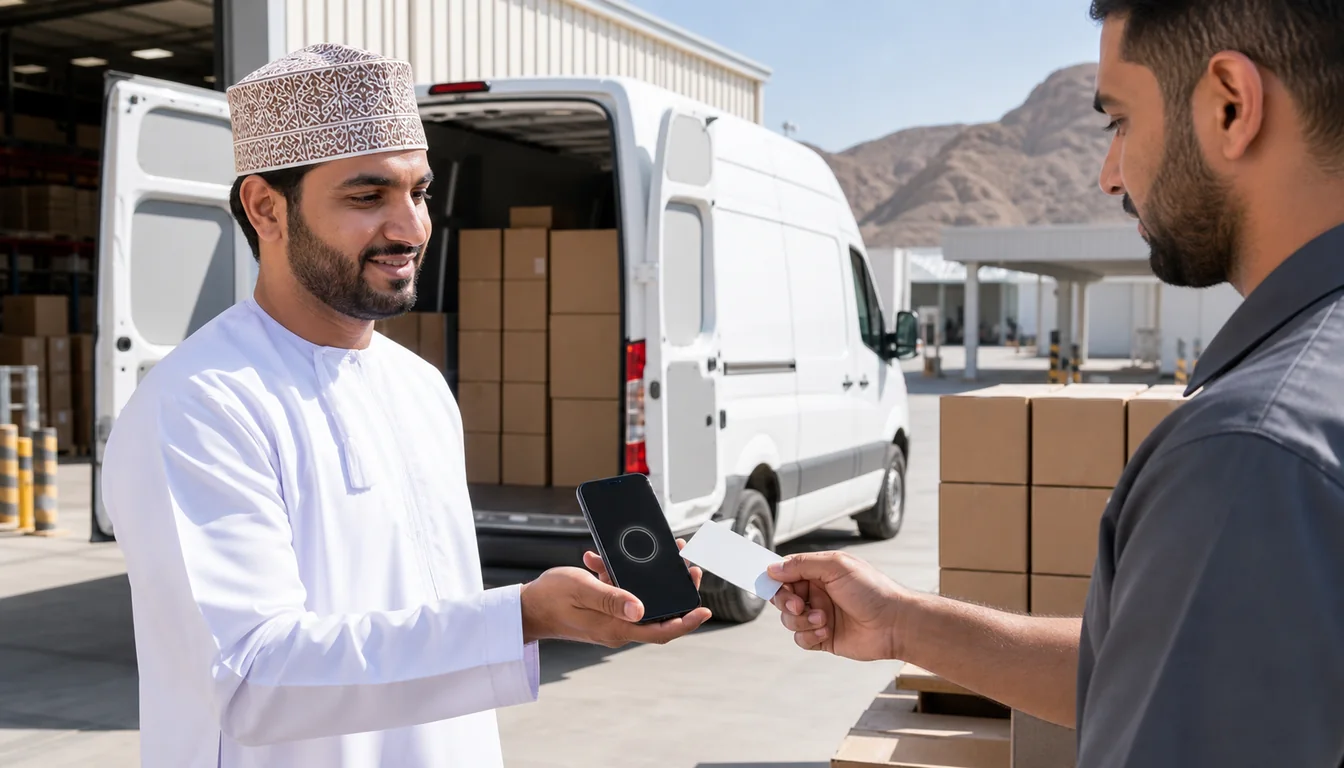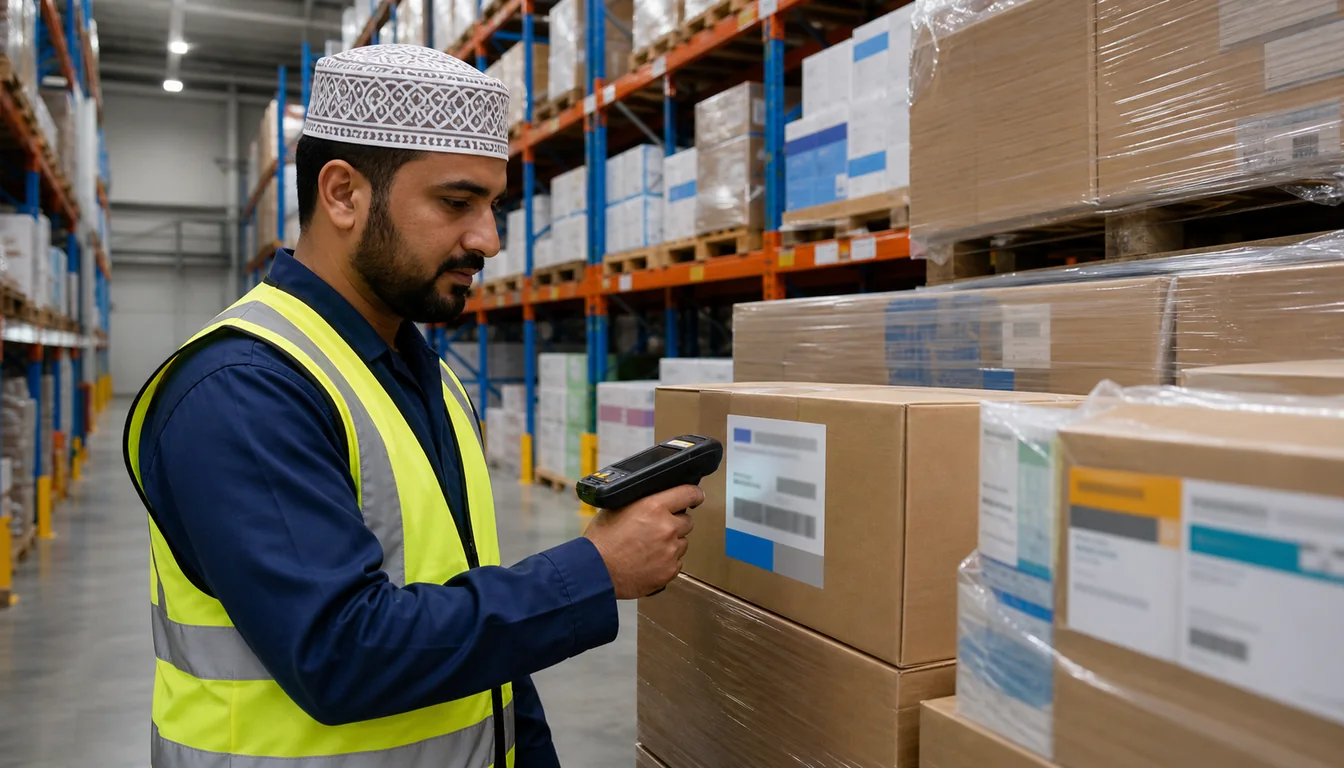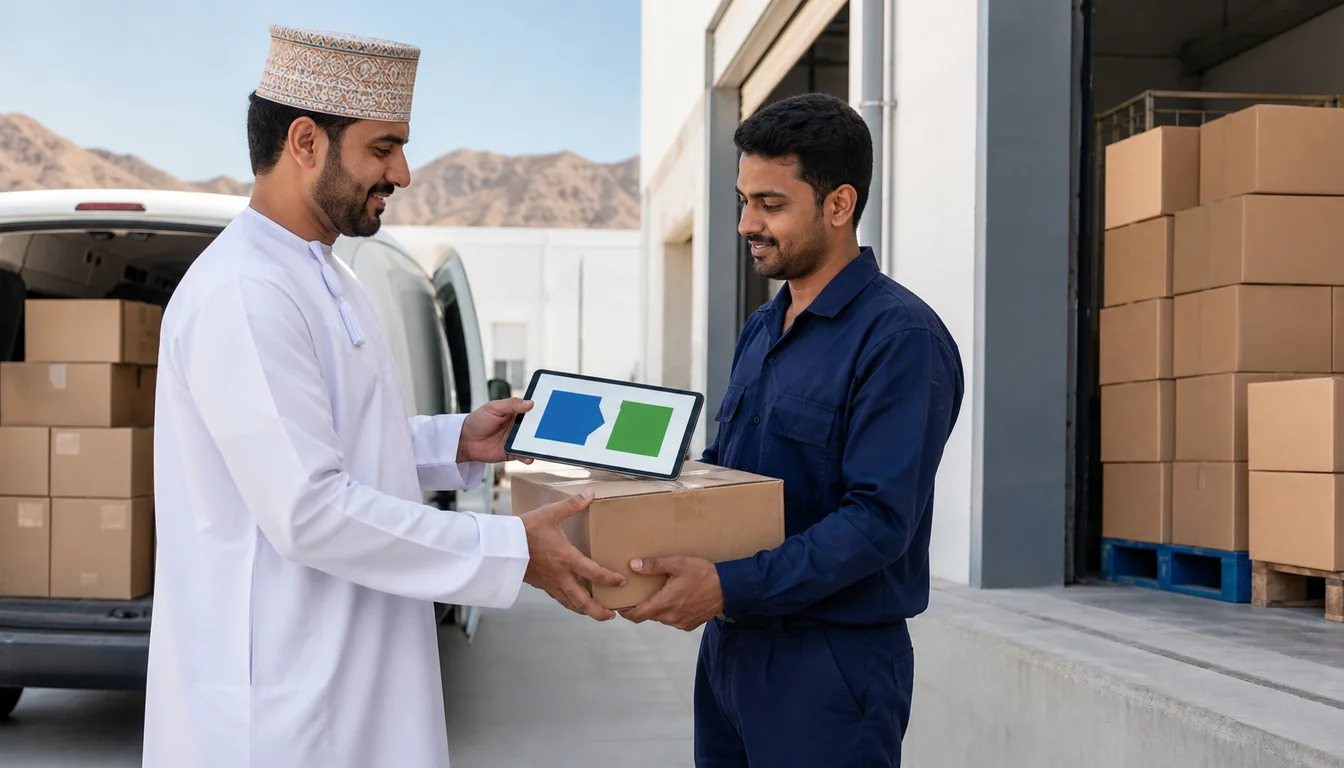
In Oman's FMCG trade, the appointed distributor rarely reaches every shelf on its own. Below that first tier sits a working layer of sub-distributors and wholesalers who cover the ground a central warehouse cannot, carrying stock the last stretch into a baqala outside the interior town of Nizwa or topping up a pharmacy's shelf on the road down to Salalah.
This is where a distributor's own picture of the market usually thins out. The order that leaves the main warehouse is well recorded. What happens to it after a sub-distributor or wholesaler takes it on, who it actually reaches, at what price, and how quickly, is often reconstructed from phone calls and memory rather than seen directly.
Bringing this tier onto a shared digital order and inventory system is not about replacing a working relationship with an app for its own sake. It is about giving the primary distributor a genuine, near-real-time view of secondary sales, stock and pricing across a sub-tier it depends on but rarely sees clearly.
The Tier Beneath Oman's Primary Distributor
Digitising this layer starts with naming it correctly, because the three roles behave differently and a system that treats them the same will misread the trade.
| Role | Relationship to the principal | What it typically covers |
|---|---|---|
| Distributor | Appointed directly, buys primary stock from the brand or principal | A defined territory, its own warehouse and an agreed credit line |
| Sub-distributor | Appointed by, or buys from, the distributor | A governorate or sub-territory the distributor's own routes cannot cover efficiently, often reaching outlets a central warehouse is simply too far from |
| Wholesaler | Trades in bulk, sometimes without a formal appointment | High-volume stock broken down and sold on to baqalas, mini-markets and smaller retailers across a wider area |
In practice the lines blur. A trader supplying a distributor's outer governorate might be a formally appointed sub-distributor for one brand and simply buying wholesale for another. Before any system goes live, each outlet in this tier needs to be coded against its real role, its real parent account and a location a route planner can actually use, not just a name on a ledger.
Where Secondary Sales Go Dark
The distributor's own sale to the sub-tier is usually the last transaction a principal can see with any confidence. Everything past it tends to disappear into a mix of phone orders, paper delivery notes and informal settlement.
A sub-distributor placing an order by phone, then paying in a mix of cash, card and Maal once goods land, leaves nothing that reconciles itself against a price list or an invoice. The same applies to payment reconciliation further down the chain, where a wholesaler's settlement to a distributor and a baqala's cash payment to that wholesaler are two separate, unlinked events that nobody is matching against a single ledger.
Claims follow the same pattern. A shortage or damage claim raised by a sub-distributor against a delivery often travels back to the distributor as a phone call rather than a reference number, which means it either gets resolved twice or forgotten. Neither outcome does the relationship any good, and neither gives the principal a true read on what actually moved.
A Sub-Distributor Layer That Reaches Both Channels
Oman is a genuine dual-channel market: a real, growing modern trade sector sits alongside a baqala network that remains extensive well beyond a single retail corridor. A distributor's own sales team can usually cover the hypermarket and supermarket accounts concentrated around Muscat directly. Reaching the baqala network spread across the governorates beyond it is a different problem, and a sub-distributor layer is often how that reach actually gets built.
That makes the sub-tier more than a cost-saving convenience. It is frequently the only practical route to FMCG brands winning across both channels, because it is the sub-distributor's van, not the principal distributor's own fleet, that is actually calling on a baqala several governorates away. Losing visibility into that layer means losing visibility into a meaningful share of where the product genuinely ends up.
Building One Shared Order and Inventory System
The fix is not a separate reporting tool bolted on after the fact. It is bringing sub-distributors and wholesalers onto the same order and stock platform the distributor already runs on, with access scoped to what each of them needs to see and do.
Ordering in OMR, One Price List
A sub-distributor placing a primary order should see the same OMR pricing, running schemes and credit-limit check the distributor's own sales team sees, at the moment the order is submitted, not after a call back to confirm. That single order flows straight into the distributor's own order management system, with nothing retyped and nothing left open to a pricing dispute later.
Stock Visibility That Doesn't Stop at the Warehouse Door
Once ordering runs through one system, stock visibility can follow it. A distributor should be able to see sellable, reserved and in-transit stock at the sub-distributor and wholesaler level, not just at its own warehouse, and a sub-distributor should be able to check that stock before promising it to a baqala or pharmacy. That shared view is also what makes real secondary-sales visibility possible, because the numbers a principal finally sees are built from what the sub-tier actually recorded, not from an estimate worked backwards from the primary sale.
Rolling It Out Without Losing the Trade
Asking a sub-distributor who has traded for years on trust and a notebook to change everything at once is the fastest way to lose their cooperation. A phased rollout gives each step time to prove itself before the next is asked of anyone.
- Start with self-service ordering. Give sub-distributors and wholesalers a branded login to place orders directly, in OMR, against a live price list and credit limit. This alone removes most of the back-and-forth that currently happens by phone.
- Add live stock and claims. Once ordering is routine, open up sellable and in-transit stock visibility at the sub-tier, and let claims be raised against a specific delivery, each with a reference number and a status a distributor can track.
- Close the loop with secondary sales and statements. Have sub-distributors and wholesalers record what they sell on to baqalas and modern trade accounts, and give them a self-serve statement of their own account, so the principal finally sees genuine reach and depth instead of a back-calculated estimate.
A wholesaler supplying baqalas across several governorates from a single stockroom is a reasonable picture of how this plays out. In the first weeks, they place their own orders online and stop chasing pricing confirmations by phone. Within a couple of months they are checking live stock before committing to a retailer and raising a shortage claim with a reference number instead of a call. None of that used to leave the notebook.
What Changes Once You Can See the Sub-Tier
Digitising the sub-tier only earns its keep if it changes what the distributor can actually decide. A short list of numbers, invisible before, becomes routine once the system is live.
- Active digital sub-distributors and wholesalers. The share who are genuinely ordering and reporting through the platform each week, not just registered on it.
- Secondary-to-primary ratio. The gap between what the distributor sells into the sub-tier and what the sub-tier itself sells on, by SKU and by governorate.
- Outstanding balances and credit-limit usage. Tracked per sub-distributor rather than as one blended receivables figure.
- Claim ageing. How long a shortage or damage claim sits before it is resolved, a fair proxy for how much the sub-tier trusts the process.
- Fill rate at the sub-tier. Whether sub-distributors and wholesalers are consistently able to get the stock they need to keep their own outlets covered.
Where Sub-Tier Digitisation Efforts Stall
Most sub-tier digitisation projects that lose momentum do so for a small set of predictable reasons.
- Building it for head office, not the trade. If only the distributor benefits, a sub-distributor will quietly go back to the phone and the notebook. A faster order and a clearer statement need to be visible to them from week one.
- Treating every sub-distributor the same way. A sub-distributor covering a busy coastal stretch and one covering a quieter interior route have different volumes, different visit frequencies and different stock needs.
- Forcing a clean hierarchy onto a messier reality. Some traders genuinely act as sub-distributor for one brand and wholesaler for another. A rigid, one-role-per-account model will misclassify them and produce bad data from day one.
- Leaving claims and stock queries out of scope. A system that only takes orders still leaves the parts of the relationship that cause the most friction unresolved.
How 1Channel Helps Digitise Oman's Sub-Distributor Tier
Bringing sub-distributors and wholesalers into view takes a platform built around how the trade actually works, not a head-office dashboard with no reach into the field. 1Channel gives distributors, sub-distributors and wholesalers a single portal and mobile login, scoped to what each of them needs.
Because ordering, stock and claims all sit in one system, a distributor gets a genuine, near-real-time picture of what the sub-tier is doing, across both the modern trade accounts it reaches directly and the baqala network the sub-tier covers on its behalf.
On this topic, the platform helps an Oman distributor:
- Give sub-distributors and wholesalers self-service ordering in OMR, against live pricing, running schemes and a credit-limit check.
- Share sellable, reserved and in-transit stock visibility down to the sub-distributor and wholesaler level.
- Raise shortage and damage claims against a specific delivery, each with a reference number and a trackable status.
- Capture genuine secondary sales from the sub-tier into baqala, mini-market and modern trade accounts across every governorate a distributor's network reaches.
- Hand sub-distributors a self-serve statement of account, cutting the volume of routine phone calls into the distributor's own office.
Bring Every Sub-Distributor Onto One Portal
See how 1Channel's Distributor Portal lets sub-distributors and wholesalers order in OMR, check live stock and raise claims, giving the principal genuine secondary-sales visibility across baqala and modern trade.
Explore the Distributor Portal →Key Takeaways
Oman's sub-distributors and wholesalers are not a gap to be closed. They are how a distributor genuinely reaches the baqala network and outer governorates its own routes cannot cover efficiently, and they will keep trading on relationships and trust whether or not anyone digitises around them.
- Name the tier correctly first. Code each outlet in the sub-tier to a real role, a real parent account and a usable location before any system goes live.
- Bring ordering and stock onto one shared system. A sub-distributor ordering in OMR against the same price list and stock the distributor sees removes most of the guesswork on both sides.
- Sequence the rollout. Self-service ordering first, then live stock and claims, then secondary sales and statements.
- Treat the sub-tier as the route to dual-channel reach. It is frequently how a distributor's products actually reach both modern trade and the baqala network beyond Muscat.
- Measure what actually changes. Active digital sub-distributors, the secondary-to-primary ratio, outstanding balances, claim ageing and sub-tier fill rate turn digitisation into a decision-making tool, not a reporting exercise.
Get the sequencing right and the sub-tier stops being a blind spot. It becomes the clearest evidence a distributor has of how far its own product genuinely reaches.