Van selling and pre-selling are the two dominant route-to-market models Philippine FMCG brands choose between, and the choice is an operating-model decision, not a matter of preference. Van selling puts stock, a driver and a sales rep on the same vehicle, and the sale, the delivery and the collection all happen at the same stop. Pre-selling separates the two steps: a rep visits an outlet, takes the order, and a separate delivery run fulfils it hours or days later, usually from a distributor's or sub-distributor's warehouse.
Both are standard, well-understood trade terms in this market, and most FMCG brands operating at any scale run at least one of them somewhere in their network. The harder question is which model to run where, because the right answer genuinely differs between a dense cluster of sari-sari stores in Metro Manila or Cebu and a spread-out provincial territory in the Visayas or Mindanao, where outlets sit further apart and a route may involve a ferry crossing or a stretch of unpaved road between stops. Applying one model uniformly across a national footprint tends to under-serve one end of that split, whichever end it is.
This article walks through how each model actually works operationally, what it does to cash flow and stock-carrying, which conditions favour which model, the different technology each one demands, how a hybrid approach works in practice, and how to measure performance once a model is running. The aim is a practical basis for the decision, not a case for one model over the other, because for most brands operating across the country, the honest answer is both, applied selectively.
How van selling works on the ground
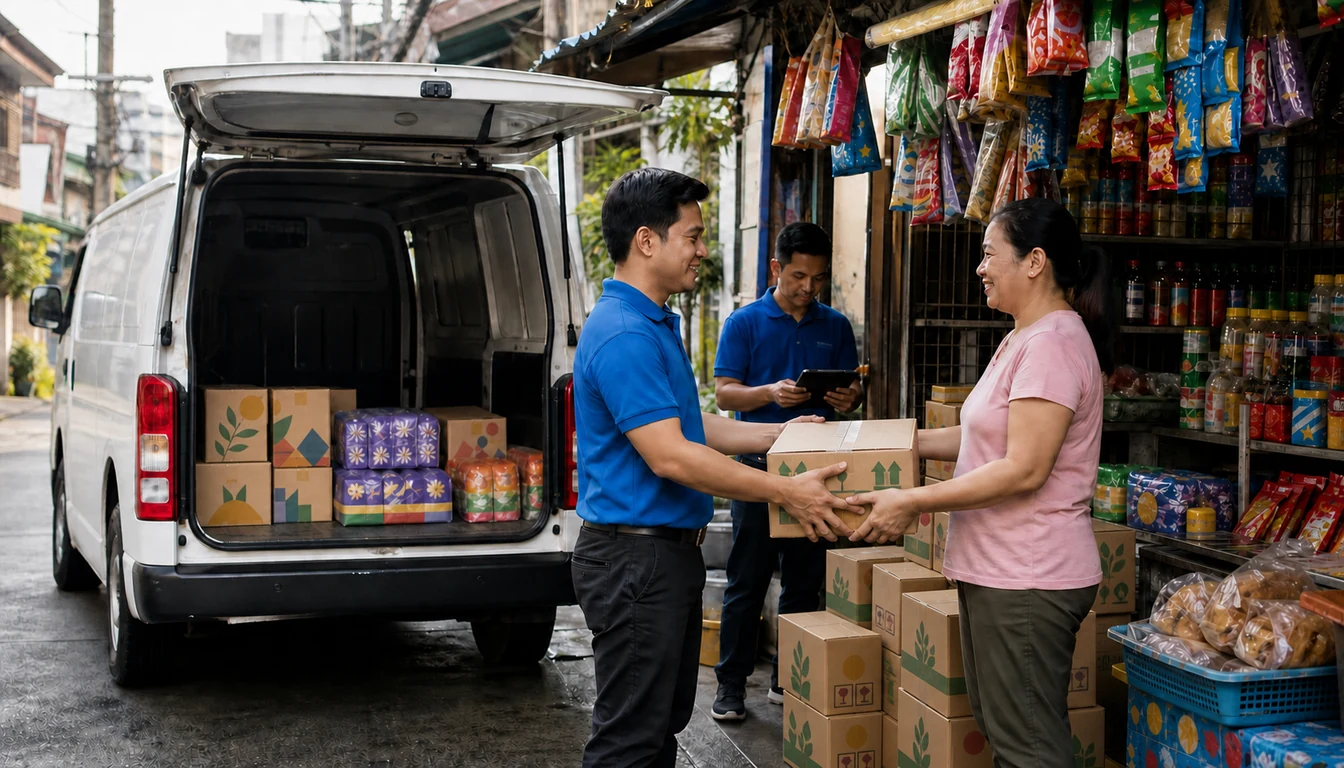
In a van sales model, the vehicle is effectively a mobile warehouse. A driver and a sales rep load a truck or van each morning with a pre-planned stock mix based on the route's historical demand, drive a fixed or semi-fixed beat, and at each outlet the rep negotiates the sale, the driver or rep unloads the goods on the spot, and payment is collected immediately, increasingly through GCash or Maya rather than cash alone. There is no gap between the sale and the delivery because they are the same event.
This immediacy is the model's core advantage. An outlet owner sees the stock, checks it against what they actually need that day, and pays on the spot, which suits a sari-sari store restocking small tingi quantities frequently rather than placing a large order and waiting for it to arrive. It also gives the rep room to adjust the sale in real time: swap a slow-moving pack size for a faster one, offer a smaller quantity than originally planned, or walk away with unsold stock rather than leaving an order on the books that never gets fulfilled.
The trade-off is that the entire route's stock mix has to be decided before the truck leaves the warehouse that morning, based on a forecast of what each outlet along the beat is likely to want. Get the mix wrong and the rep either runs out of a fast-moving SKU halfway through the route or drives home with unsold stock that has to be reconciled, restocked and accounted for at the end of the day. The rep and driver are also, in effect, carrying a rolling inventory and a cash float at the same time, which is where the model's operational discipline has to be tightest.
How pre-selling works on the ground
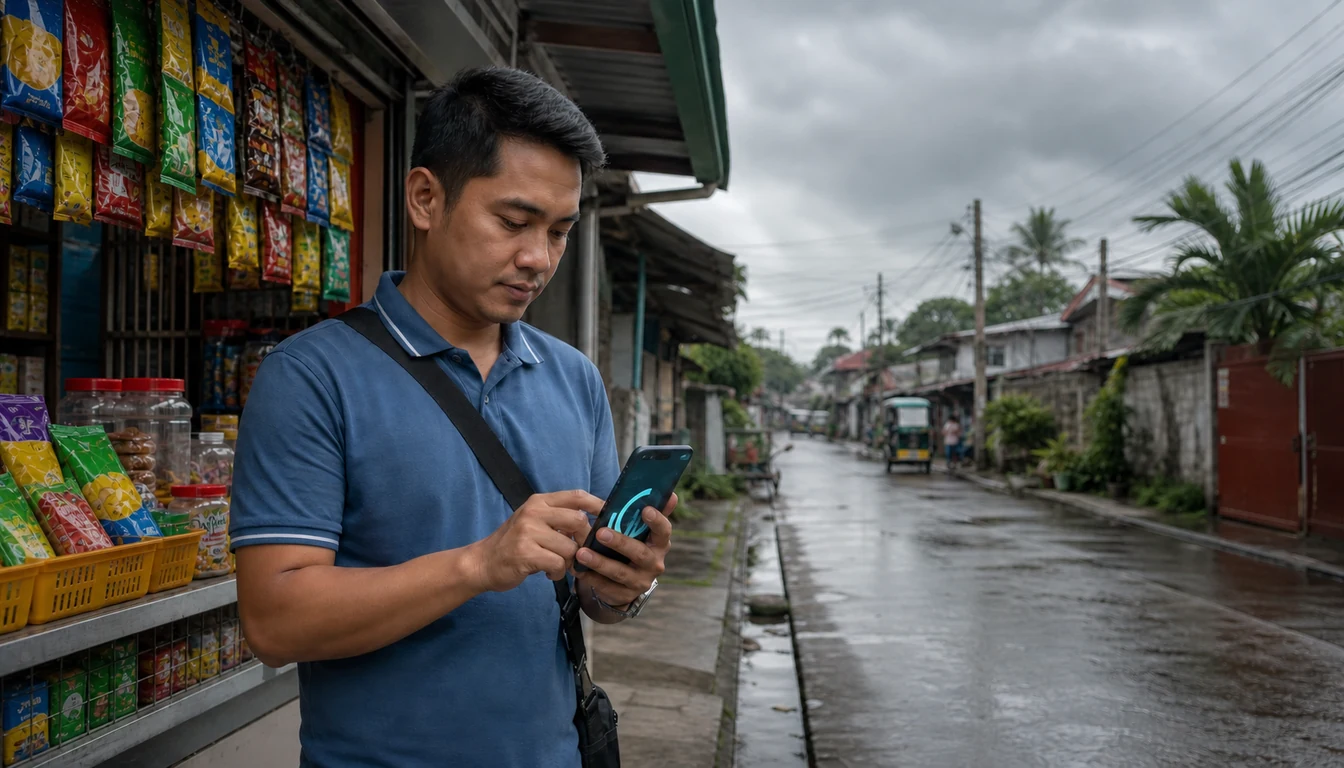
Pre-selling splits the same transaction into two distinct steps handled by two different people, often on two different days. A sales rep visits the outlet with a tablet or order form, reviews stock on hand, checks what has sold since the last visit, and captures an order against the current catalogue and pricing. No stock changes hands at that visit. The order is transmitted back to the distributor or sub-distributor, and a separate delivery team, usually driving a route optimised for drop density rather than sales conversations, fulfils it against warehouse stock, typically within a day or two.
Because the rep is not carrying, unloading or reconciling stock, a pre-selling rep can call on considerably more outlets in a working day than a van sales rep covering the same ground, which is the model's central efficiency argument over a spread-out territory. It also lets the distributor plan fulfilment against actual demand rather than a forecast loaded onto a truck that morning, consolidating deliveries by area and by vehicle capacity rather than by whatever a single rep happens to be carrying.
The cost is a coordination burden that van selling does not carry. Every order captured in the field has to move cleanly through distributor order management to warehouse allocation to dispatch to delivery confirmation, and a break anywhere in that chain, a stock allocation error, a delivery delayed by a typhoon-disrupted route, an order that never made it off the rep's device, shows up days later as a missed or short delivery the outlet was not expecting. The outlet owner also has to be comfortable ordering ahead of need, which works less well for a sari-sari store used to buying tingi quantities on the day it needs them.
Cash flow and stock-carrying implications
The two models put working capital in structurally different places, and that difference tends to matter more to a distributor's finance team than the operational mechanics do.
Van selling ties cash and stock to the truck
Every van on the road each morning is carrying a chunk of the distributor's inventory and, by the end of the day, a chunk of the distributor's cash, held by the driver and rep until it is banked or reconciled. That is a real, if temporary, capital exposure multiplied across a fleet, and it means stock-carrying decisions happen at the vehicle level rather than the warehouse level. A route that consistently returns unsold stock is quietly tying up capital in the wrong SKU mix, while a route that consistently sells out is losing sales it could have captured with a fuller load. Collections are fast, often same-day through an e-wallet or InstaPay transfer, which is a genuine advantage: cash converts almost immediately rather than sitting as a receivable.
Pre-selling shifts the carrying burden to the warehouse
Because pre-selling reps carry no stock, inventory sits centrally rather than distributed across a fleet, which is generally easier to manage through inventory management because demand across a territory is visible before stock moves, not committed to a truck on a forecast. The trade-off runs the other way on cash: an order taken today is typically not paid for until delivery, days later, which means pre-selling carries a receivable the distributor has to track and chase, and a sub-distributor or wholesaler ordering on credit terms adds real collections risk if that gap stretches. Distributors running pre-selling at scale generally need firmer payment terms and a disciplined view of ageing receivables to avoid the delay between order and cash quietly becoming a bad debt problem.
Matching the model to dense urban routes versus spread-out provincial territory
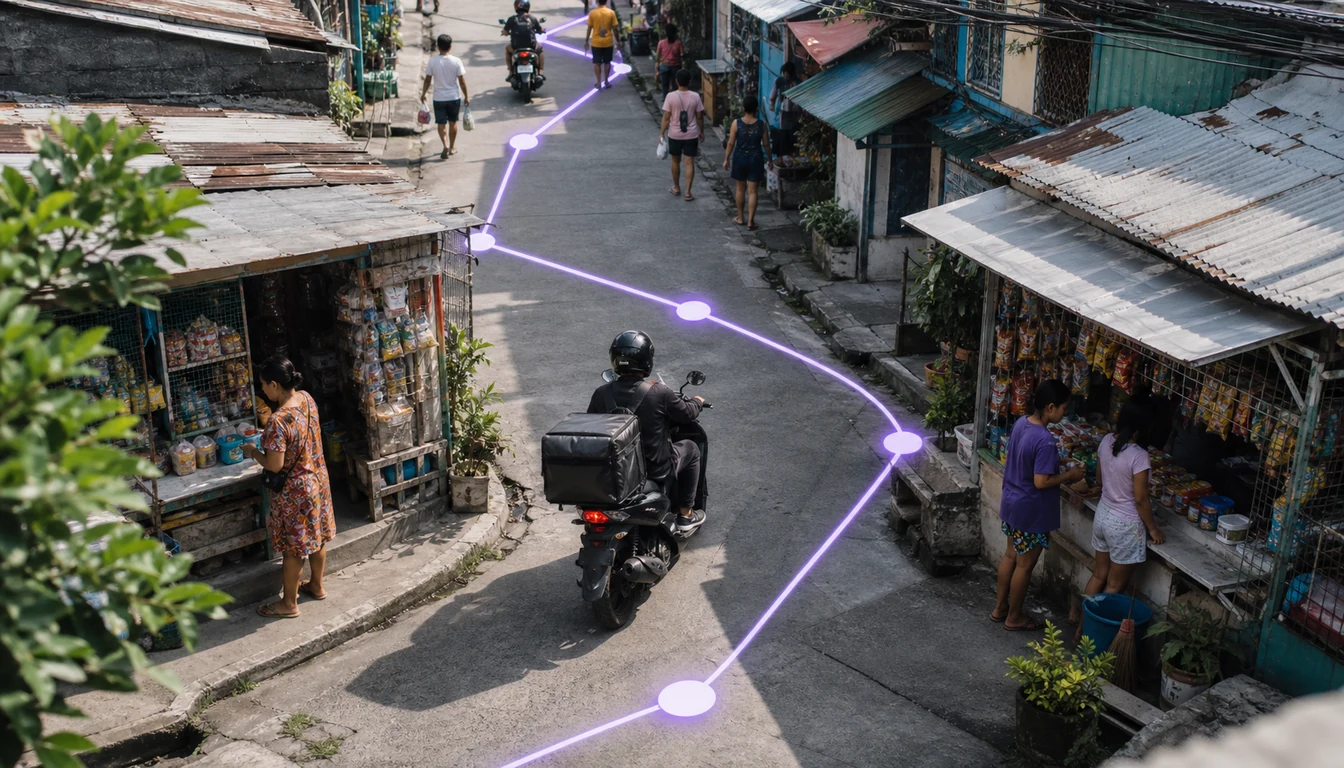
The density of a territory is usually the single biggest factor in which model performs better on it, more than brand preference or category. In a dense Metro Manila or Cebu barangay, a rep can reach dozens of sari-sari stores within a short radius, each restocking small tingi quantities frequently. Short hops between stops, small basket sizes and a genuine same-day restocking need all favour van selling: the rep can serve a high number of closely packed outlets in a day, and immediate delivery matches how frequently these stores actually reorder.
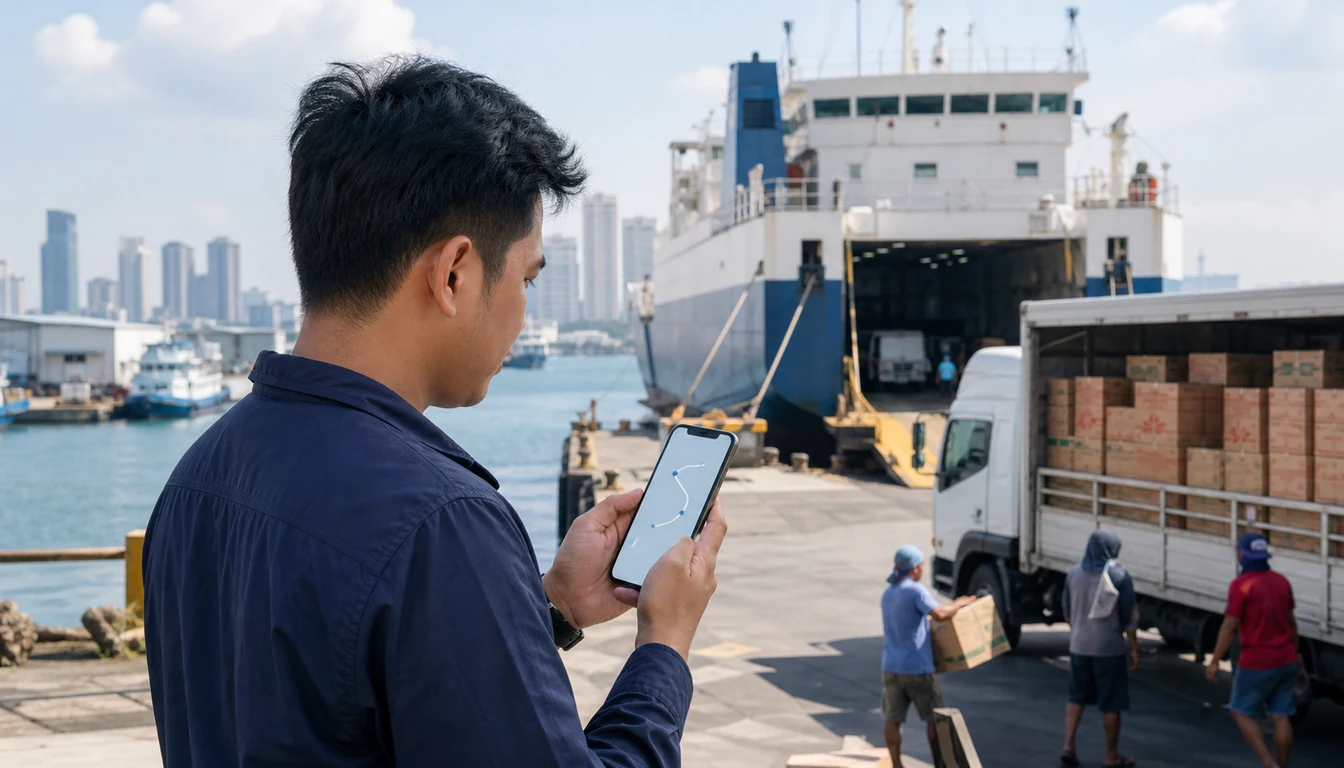
Spread the same route out into provincial territory in the Visayas or Mindanao, where outlets sit further apart, travel time between stops climbs and a route may combine road transport with an inter-island ferry or a shorter domestic flight leg, and the arithmetic flips. A van sales rep loses most of a working day to travel between a handful of stops, carrying stock that may not match what each outlet actually needs. Pre-selling, where the rep's day is spent purely on order capture and a separate delivery vehicle consolidates fulfilment by area afterwards, uses that same travel time far more efficiently, and it decouples the sales conversation from the physical constraint of getting a fully loaded truck across water or over difficult terrain on a fixed schedule.
Coverage and beat design should reflect this split explicitly rather than applying one national template. A territory management view that separates dense urban clusters from spread-out provincial ground, and a beat plan built with that split in mind rather than an assumption that every route looks like the ones covered in beat planning for high-density sari-sari routes, gives sales leadership a realistic basis for assigning van selling to some routes and pre-selling to others instead of guessing.
Technology requirements differ by model
The two models fail in different places when the underlying software is not built for them, which is why treating "field sales software" as one undifferentiated category tends to under-serve whichever model is the secondary one on a given team's roadmap.
Van sales needs route accounting, not just route tracking
A van sales system has to answer a specific daily question: what left the warehouse on this truck, what came back unsold, what was collected in cash or via e-wallet, and does the difference reconcile cleanly. That is route accounting, and it is a different requirement from simply logging where a vehicle drove. Real-time stock deduction as each sale is recorded, an on-the-spot invoice or receipt generated at the point of sale, and a same-day reconciliation of what was loaded against what was sold and collected are the minimum bar. Expense management that captures fuel, float and incidental route costs against the same trip record closes the loop, so a route's true profitability, not just its sales total, is visible to the operations team rather than reconstructed later from separate spreadsheets.
Pre-selling needs order-to-delivery tracking, not just order capture
A pre-selling system has to track a single order through several handoffs: capture in the field, transmission to the distributor, stock allocation at the warehouse, dispatch, delivery confirmation and, finally, collection. Losing visibility at any one of those steps is exactly what produces the missed or short deliveries that erode an outlet's trust in the model. The distributor side needs a live view of pending versus fulfilled orders, ideally through a distributor portal that a sub-distributor or wholesaler can check without a phone call, and the field side needs confirmation flowing back to the rep so they know, before their next visit, whether the last order actually arrived as ordered.
Running a hybrid model across a national territory
Most Philippine FMCG brands operating beyond a single city end up running both models simultaneously rather than choosing one outright, van selling across dense metro clusters and select high-turnover channels, pre-selling across provincial and lower-density territory, with the split sometimes shifting seasonally when typhoon disruption makes a scheduled van route unreliable and a pre-sold order with a flexible delivery window becomes the more resilient option for a week or two.
Running both well depends less on picking the right split and more on avoiding two common failure modes. The first is treating the two channels as entirely separate operations with separate catalogues and separate pricing, which quickly produces inconsistent SKU availability and price drift between a van sales route and a pre-selling route serving adjacent territory. Centralised SKU management that feeds both channels from the same current catalogue, particularly given how wide the tingi-driven SKU range already is, keeps that consistency intact regardless of which model a given rep is running that day. The second is losing sight of which outlets are being served by which model at all, which matters most at the boundary between a dense cluster and the provincial ground beyond it, where the same rep might reasonably run van selling on the close-in stops and pre-selling on the further ones within a single beat.
Measuring performance under each model
Because the two models create value differently, the metrics that matter also differ, and applying a single sales-per-rep number across both tends to obscure more than it reveals.
For van selling, the metrics that matter most are load-to-sale ratio, how much of what left the warehouse that morning actually sold versus returned unsold, strike rate across the planned outlet list, and cash and e-wallet reconciliation accuracy at the end of each route. A route that consistently under-loads is leaving sales on the table; one that consistently over-loads is tying up capital in returns.
For pre-selling, the more useful metrics are order-to-delivery fulfilment rate, order accuracy against what was actually captured in the field, average time between order capture and delivery, and receivables ageing, since a slow-paying pattern here is an early warning sign rather than a lagging one. Sales analytics that can separate these two metric sets by route and by model, rather than blending them into one national dashboard, gives sales leadership a genuinely comparable read on which routes are performing and which need a different operating model altogether, not just a different target.
How 1Channel supports both van selling and pre-selling operations
1Channel runs van selling and pre-selling on the same field sales platform rather than treating them as separate products, which matters for brands running a hybrid split across a national territory. Van sales routes get route accounting built in: real-time stock deduction as each sale is recorded, on-the-spot invoicing and e-wallet or cash reconciliation against what left the warehouse that morning. Pre-selling routes get full order-to-delivery tracking, from field capture through warehouse allocation to delivery confirmation, with distributors and sub-distributors able to see order status without a phone call. Reps, supervisors and distributors work from the same current SKU catalogue and pricing regardless of which model a given route runs, so a hybrid split between dense urban coverage and spread-out provincial territory stays consistent rather than fragmenting into two loosely connected systems.
Run Van Sales and Pre-Selling on One Platform
See how 1Channel's sales force automation gives van sales routes real-time route accounting and pre-selling routes full order-to-delivery tracking, from the same field app and the same live SKU catalogue.
Explore Sales Force Automation →Key Takeaways
Choosing between van selling and pre-selling is a territory-by-territory operating decision for Philippine FMCG brands, not a single company-wide default. The key points to act on:
- The two models split the sale and the delivery differently. Van selling completes the sale, delivery and collection in one stop; pre-selling separates order capture from a later, independently scheduled delivery.
- Cash and stock sit in different places under each model. Van selling carries inventory and cash on the truck with fast collections; pre-selling carries inventory centrally but adds a receivable that needs disciplined tracking.
- Territory density is the strongest single indicator of which model fits. Dense urban sari-sari clusters generally favour van selling; spread-out provincial and inter-island territory generally favours pre-selling.
- Each model needs different technology to run well. Van selling needs route accounting with real-time stock deduction and reconciliation; pre-selling needs order-to-delivery tracking across every handoff from capture to collection.
- Most national brands end up running a hybrid. The main risk is fragmenting SKU data and pricing between the two channels rather than keeping both fed from one current catalogue.
- Performance has to be measured on model-specific metrics. Load-to-sale ratio and reconciliation accuracy for van selling; fulfilment rate and receivables ageing for pre-selling, not one blended sales-per-rep number.