Safaricom says M-Pesa served 3.13 million merchants in the year to March 2026.
It now wants a role in how those businesses invoice, not only in how they get paid.
In Kenya's distribution landscape, that matters most for FMCG, pharma, cosmetics and personal care, and building materials suppliers.
In these trades, one route can produce hundreds of small payments a week.
This post covers what has been reported about a proposed reverse e-invoicing arrangement with KRA, and why it could expose gaps between orders, invoices and payments.
It ends with practical steps a distributor can take now, before anything is confirmed.
What Safaricom and KRA Are Discussing
On 1 November 2026, TechTrendsKE reported that Safaricom and the Kenya Revenue Authority have been discussing a proposed reverse electronic invoicing arrangement.
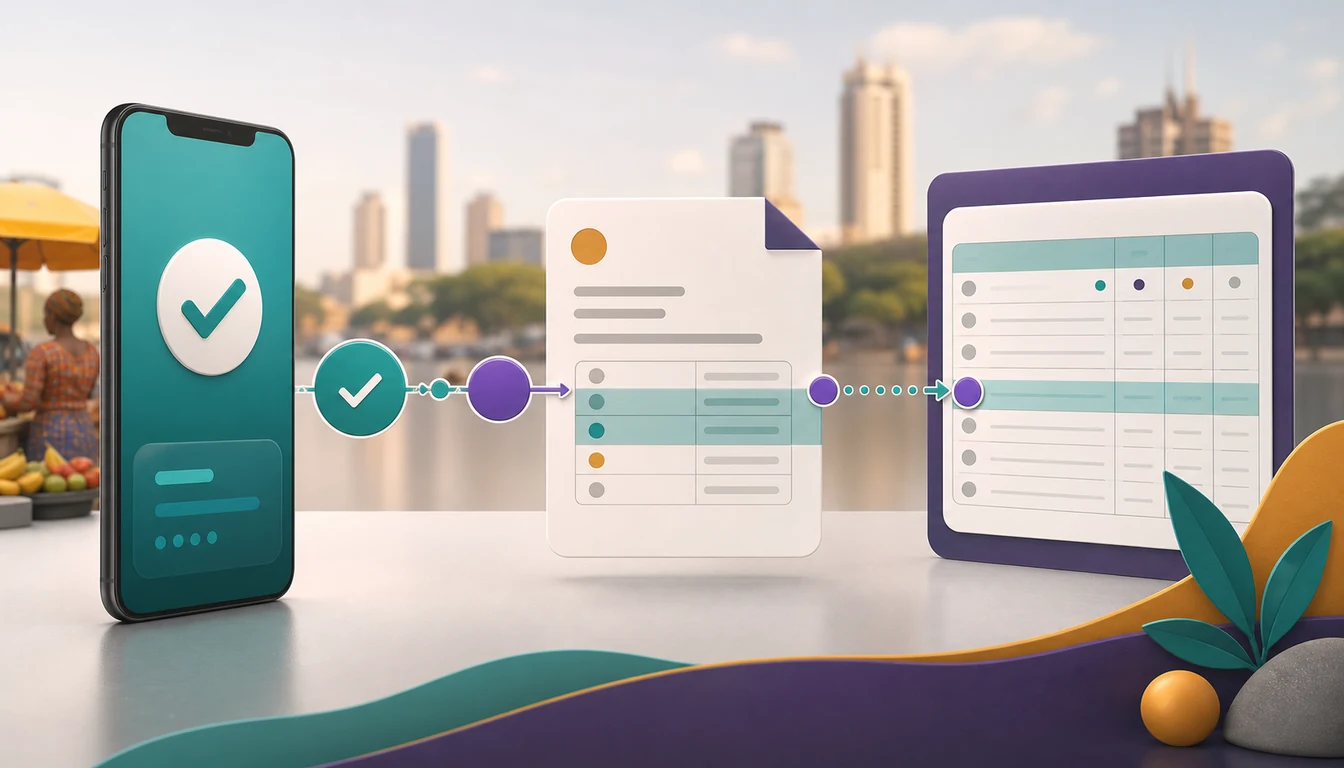
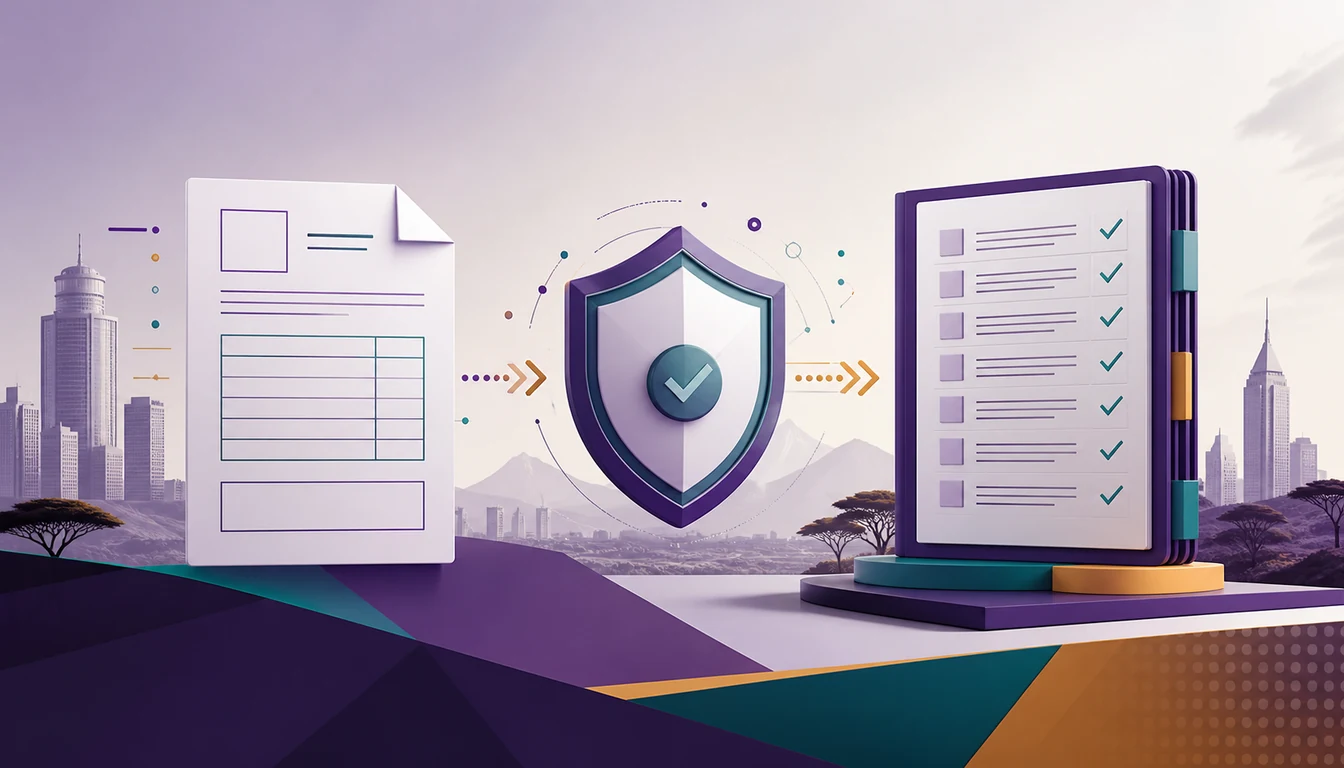
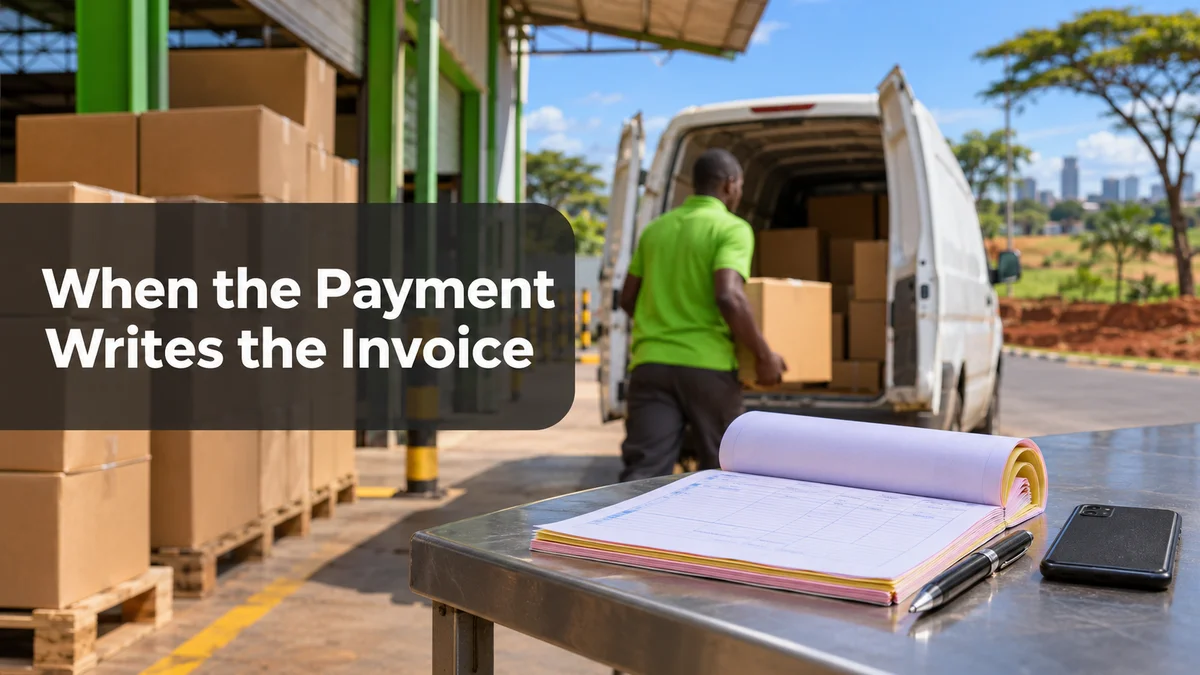
Under it, invoices could be generated on behalf of suppliers and merchants, with the M-Pesa payment as the starting point.
The arrangement is still under discussion. No launch date, fee or scope has been published.
It sits alongside other merchant moves. In October, Safaricom partnered with Pesapal to add tap-to-pay and dynamic QR payments at participating tills.
It also introduced Fuliza Ya Pochi, an overdraft that eligible small businesses can use for short-term needs such as buying stock and paying suppliers.
Why Distributor Records Could Come Under Pressure
Today a duka pays by till or Paybill, and the distributor matches that payment to an invoice later, often by hand.
If an invoice can one day be created from the payment itself, a mismatch with the distributor's own invoice stops being an internal problem.
Picture a Nakuru distributor that confirms an order for KES 48,600 but delivers two cartons short. The duka pays KES 44,200 by till.
The distributor's invoice still shows the full amount, so two records of the same sale now disagree.
Overdraft-funded stock buying could also mean more, smaller payments on each route, which makes manual matching slower.
KRA already checks income tax returns against eTIMS data, so records that disagree already carry a cost.
| Situation | What the payment shows | What the invoice shows | The gap |
|---|---|---|---|
| Short delivery | Payment for what arrived | Billing for what was ordered | Invoice overstates the sale |
| One payment for several invoices | A single amount | Several invoice numbers | Payment cannot be split cleanly |
| Part payment on credit | A partial amount | The full amount due | Balance is not tied to an invoice |
| Return after invoicing | The original payment | No credit note raised | The sale is never corrected |
How 1Channel Keeps Orders, Invoices and Payments Together
1Channel's distributor management platform generates the invoice automatically when an order is confirmed, so the invoice follows the order instead of being typed separately.
Payments are recorded with the customer, amount, mode and reference number, then allocated automatically across that customer's outstanding orders, or allocated manually.
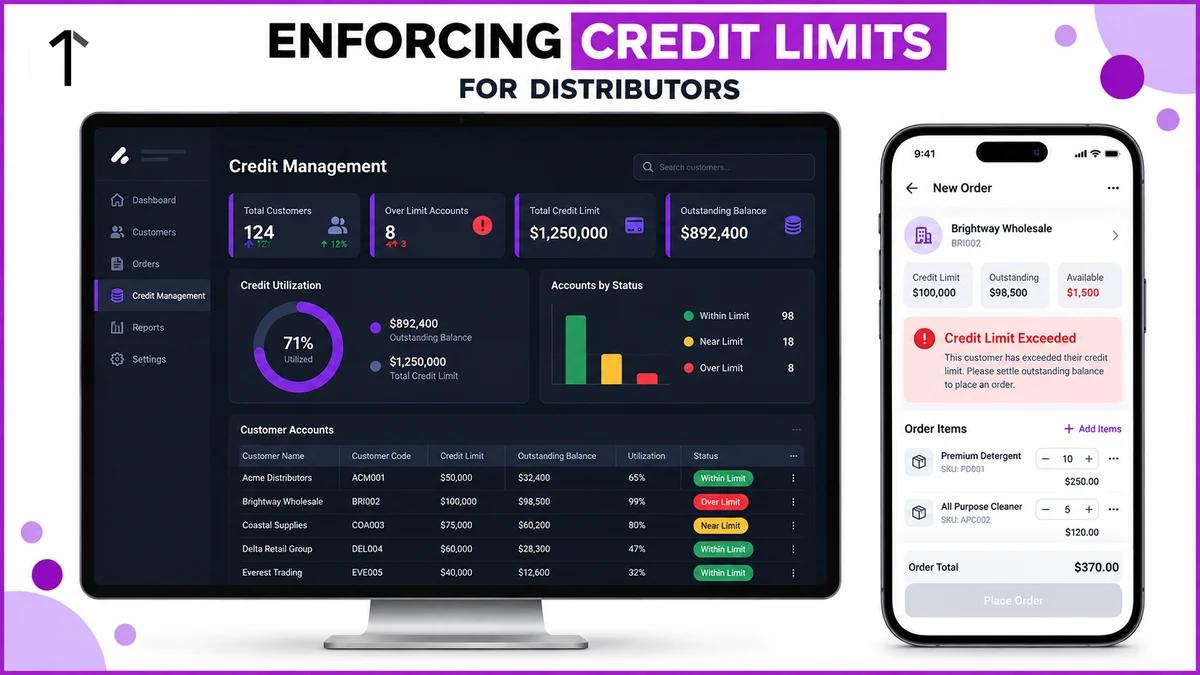
Returns can be resolved with a credit note, and the Outstanding view shows each customer's balance, overdue amount and remaining credit.
Match Every Payment to the Invoice It Settles
See how 1Channel records collections, allocates them against open invoices, and keeps each duka's outstanding balance and credit headroom in view.
Explore Payment and Credit Management →Final Suggestions for Distributors
- Invoice what was dispatched, and correct short deliveries with a credit note the same day.
- On Paybill payments, ask customers to enter the invoice number as the account reference.
- Record part payments against specific invoices instead of a running balance.
- Review unallocated payments every week, not at month end.
- Wait for an official KRA or Safaricom notice before changing processes for reverse invoicing itself.
None of these steps depends on the arrangement going ahead. They simply make the distributor's own records hard to contradict.
Source: TechTrendsKE