Cloud Retail Software Purpose-Built for Vietnam's Modern Trade Sector
Key Account Managers negotiate chain listings while Sales Representatives, van crews, and promoters cover tạp hóa rows and traditional-market stalls, and merchandisers check the shelf, all from one cloud suite that spans Vietnam's modern-trade accounts and its deep general trade side by side. Planogram compliance and settlement by cash, VietQR, or bank transfer run through the same system end to end.
Modern TradeSupermarket ChainsWholesale & DistributionTạp Hóa & MinimartsTraditional Markets & General Trade
Where Generic Tools Fall Short for Vietnamese Retail and Modern Trade
Structured listing agreements and planogram briefs govern how chains such as WinMart+, Bach Hoa Xanh, and Co.op Food operate, yet tạp hóa stores and traditional markets in every province still run largely on relationships and cash. Two very different rhythms, one dataset needed: sales, stock, and shelf information split apart the moment there is no single cloud system tying both sides together.
No Proof of Chain or Tạp Hóa Visits
A rep's day might run from a shelf check at a chain branch to a string of tạp hóa drops further down the road, spread across a territory that stretches through three regions. If nothing captures GPS, a photo, or a timestamp at each stop, an Area Sales Manager has no way to confirm which KAM calls and which tạp hóa visits genuinely took place.
Chain Listing Orders Stuck in Email
A listing renewal or a fresh purchase order from a modern-trade buyer typically lands as an email attachment, then gets typed a second time into a stock file by hand. That re-entry step is where mistakes creep in: allocations go wrong, shipments run short, and nobody on the supply side notices until the gap has already grown.
Late Secondary-Sales Data
By the time sell-out figures from distributors and chain partners reach the brand team, several days have usually slipped by, sometimes closer to two weeks. Replenishment decisions get made against numbers that are already stale, and often the next promotion is underway before anyone has finished reviewing how the last one performed.
Tết POSM Goes Unchecked
Secondary displays go out to the chains ahead of Tết, but once they're on the shelf, no one circles back with a photo to confirm they actually went up correctly. Facing and planogram compliance ends up recorded as a line in a spreadsheet rather than as a dated image tied to a specific store.
Retailer and Promoter Engagement Fades
For wholesalers, tạp hóa owners, and the promoters working the floor, loyalty today usually means informal credit terms and cash, not a points system with any structure behind it. Brand pull only builds when a payout actually reaches a bank account or an e-wallet, and that link is often missing.
Onboarding Runs on Guesswork
A voice note is often how a new SKU launch, a planogram change, or an updated listing gets passed down the line. There's no quiz behind it, no certification, and no way to tell whether a given rep is actually prepared to run a WinMart+ KAM call or take on a tạp hóa beat in a province the company has only just entered.
Apps that Run the System
Field Apps Built for KAMs, Reps, and Merchandisers
Every day's field-to-channel activity flows through two 1Channel apps. Android and iOS are both supported, with everything syncing back to one cloud admin portal.
1Channel SFA & DMS
Google Play
1Channel SFA & DMS
Apple App Store
1Channel CRM
Google Play
1Channel CRM
Apple App Store
Retail Solutions in Detail
A Closer Look at Every Retail Module
Each product page below covers one module in depth, shaped for Vietnam's modern-trade chain accounts, wholesale and distribution, tạp hóa and traditional-market general trade, and the back-office teams tying it together.
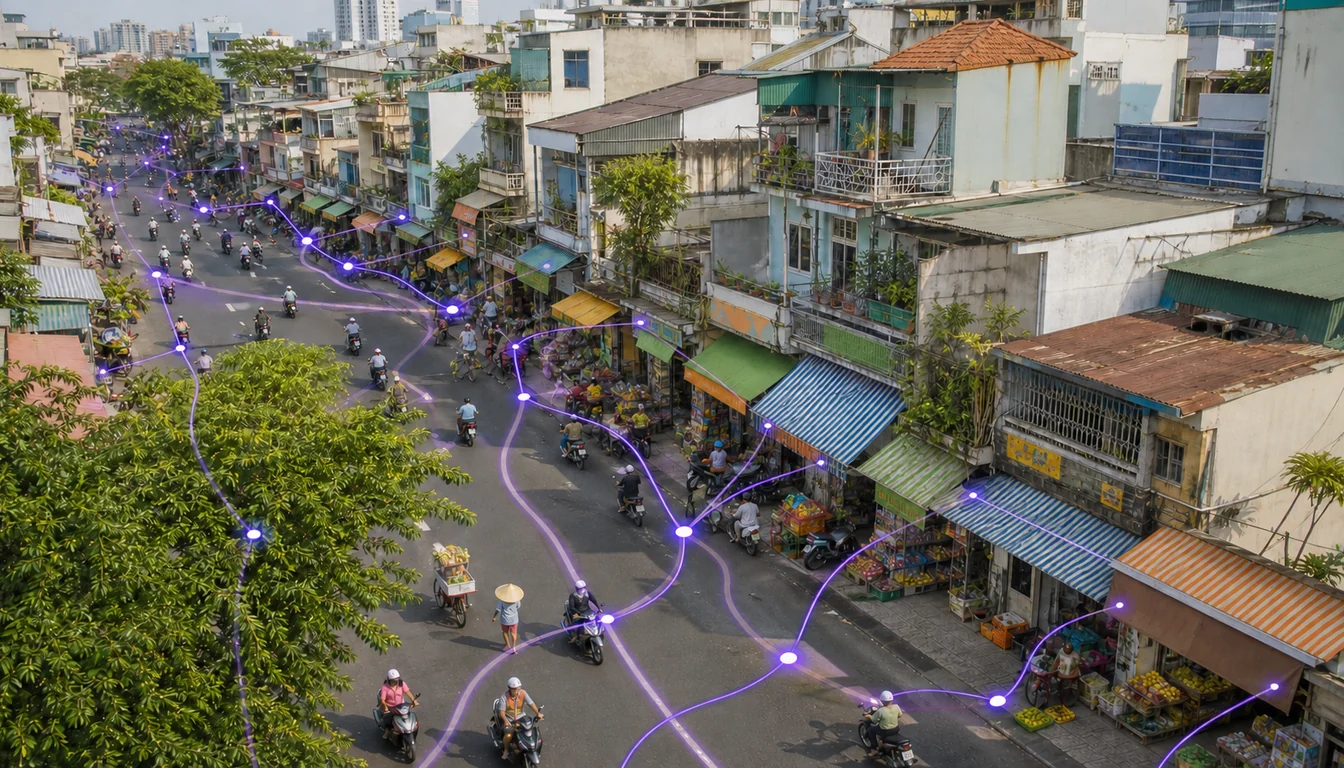
Vietnamese retail field teams run on one cloud sales force automation platform, and one app underneath it. A KAM logging a call at Bach Hoa Xanh, a rep working a tạp hóa or traditional-market beat, and a van-sales run pushing into freshly opened minimart territory all feed into the same stream, visits verified by GPS, orders captured live, everything routed straight back to head office.
Geo-Fenced Attendance, an AI liveness check on a selfie confirms the rep is actually standing at the chain, tạp hóa, or minimart
Beat Plans for Trade and Chain, AI orders the route across a long north-south territory and maps each outlet to a day, rural minimart routes included
Order Capture, history suggests the order at SKU level, the scheme applies itself, and the VND total updates live
Van Sales Mode, stock rides on the truck while invoicing is instant and settlement, cash, VietQR, or bank transfer, happens right at the outlet
1Voice AI Assistant, ask it "orders pending KAM approval" or "outlets not visited this week" and it answers on the spot
DMS for Distributors, Sub-Distributors, and Wholesalers
One portal carries Vietnam's modern-trade chain accounts and general trade through order booking, batch-level stock, VND pricing, trade schemes, GRN, and payment reconciliation, on a cloud distributor management system built for exactly that chain: distributor to sub-distributor to wholesaler, feeding tạp hóa stores, traditional markets, and a minimart network that keeps pushing further into rural provinces. When sell-out figures come back from chain partners, they reconcile against DMS invoices so replenishment is based on what actually moved.
Order to Invoice, allocation runs FIFO or FEFO, schemes apply automatically, and a VND credit limit blocks the sub-distributor ledger before it goes over
Batch and Expiry Control, stock is tracked warehouse by warehouse, with near-expiry alerts on regulated food, beverage, and pharmacy lines
Channel Pricing, a modern-trade chain account, a wholesaler, and a tạp hóa or traditional-market trader each work off their own price list
VND Invoicing & E-Invoicing, VietQR, e-wallet, and bank-transfer payments are captured and allocated automatically, ageing is tracked, and orders block themselves once credit is breached
GRN & Returns, credit notes and configurable workflow triggers sit behind multi-level approvals
A cloud loyalty platform built for the Vietnamese trade keeps tạp hóa owners, wholesalers, and in-store promoters engaged rather than passive. Points come in through pack QR, DMS sales feeds, or an uploaded invoice, and go back out to a bank account, an e-wallet such as MoMo, ZaloPay, or VNPAY, a voucher, or a catalogue reward, whichever the programme is set up to pay.
Pack QR & Invoice Earning, scans are fraud-checked and invoices carry multi-level approval
Instant VND Payouts, a retailer's bank account or an e-wallet such as MoMo, ZaloPay, or VNPAY gets paid directly, with no cheque cycle to manage
Gamification, Silver/Gold/Platinum tiers sit alongside leaderboards, spin-the-wheel, and scratch cards
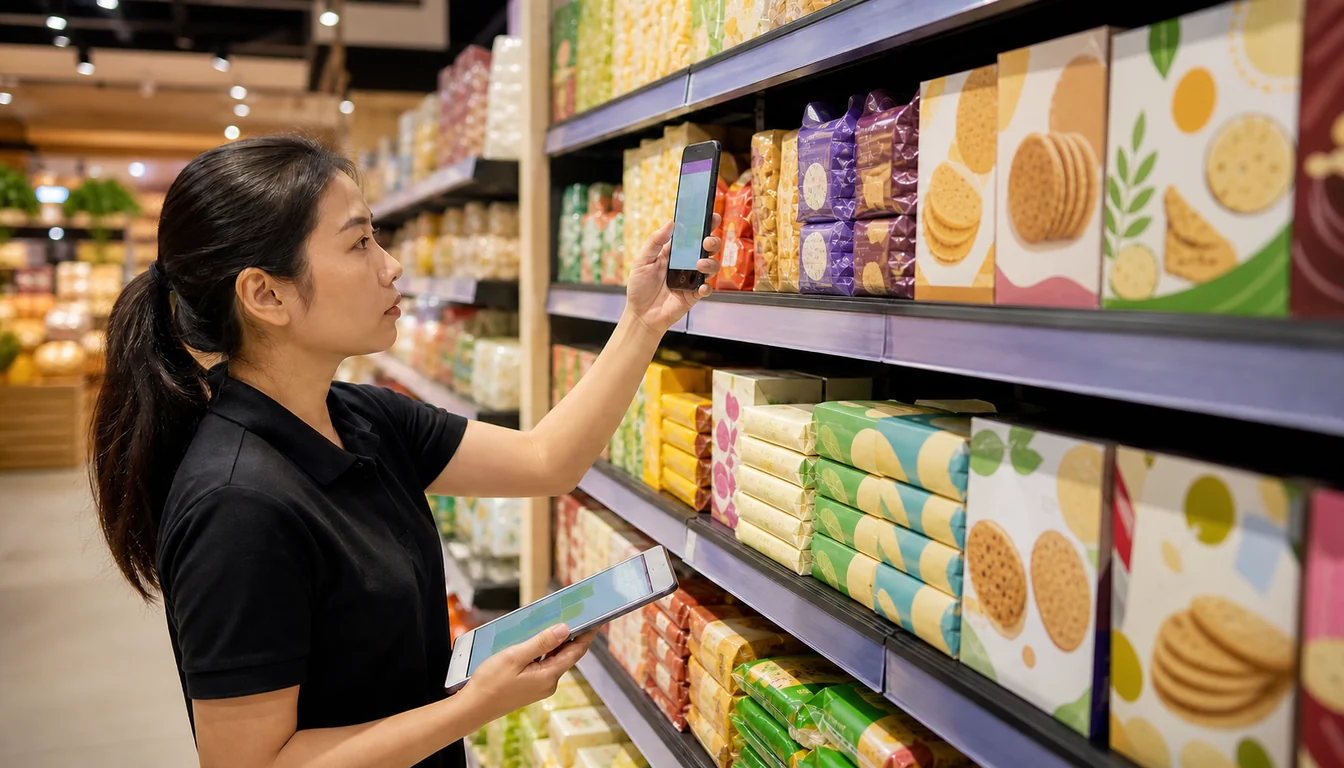
An AI retail execution platform for Vietnam turns shelf presence into something a chain actually pays for. Store lists and picture-of-success references track secondary displays at WinMart+, Bach Hoa Xanh, and Co.op Food, while L1/L2/L3 audits catch the mismatches. No one needs to count facings by hand: cloud image recognition scores eye-level placement, brand blocking, and competitor share straight from a shelf photo.
Secondary Display & Tết Campaigns, budgeted or ad hoc, deployment covers both Tết and Mid-Autumn Festival
L1/L2/L3 Audits, scoring runs through multi-tier workflows that flag mismatches automatically
Visibility Index, facings, hot-zone coverage, and brand-blocking show up per chain account, broken out brand by brand
AI Image Recognition, one shelf photo yields planogram compliance, share-of-shelf, and competitor share
On a cloud sales team LMS, KAMs, Sales Representatives, van crews, in-store promoters, and merchandisers each follow a structured learning track through four session types, classroom sessions with photo attendance, virtual sessions over Meet, Teams, or Zoom, geo-tagged in-store coaching, and e-learning, with new modules gated behind level-based unlocks.
Four Session Types, attendance logs itself across classroom, virtual, in-store, and e-learning sessions
Gamified Quizzes, standard and image-based formats support configurable pass marks and negative marking
Level Unlocks, promotion gates run on tenure, certification, and productivity, not seniority alone
Certificates & Analytics, badges issue automatically, with progress reports available to both trainer and rep
What Makes 1Channel a Fit for Vietnamese Retail and Modern Trade
From WinMart+, Bach Hoa Xanh, and Co.op Food through wholesale and distribution, tạp hóa and traditional-market general trade, and modern-trade back-office teams, here is where the 1Channel cloud platform earns its place in a Vietnamese retail operation.
One Connected Suite
SFA, DMS, CRM, loyalty, merchandising, and LMS all sit inside a single cloud platform, so field activity, chain data, and training records travel together instead of living apart across modern and general trade.
Fully Configurable
Nothing about the shape is fixed. Workflows, dashboards, schemes, and reports all configure around how the business actually runs, chain listing terms, the distributor-to-wholesaler flow, tạp hóa pricing, whatever the setup calls for.
AI Where It Helps
Across a long, three-region territory, AI optimises the beat, checks shelf images, screens QR scans for fraud, and powers a natural-language assistant sitting on top of the analytics layer.
Mobile App for Field Teams
Whether a Sales Representative is on a chain, tạp hóa, or minimart route in any province, visits, orders, and photos get captured on the spot and sync straight to the cloud.
Enterprise Security
Chain and store data stays behind role-based access and encryption, both in transit and at rest, aligned with the Law on Personal Data Protection, with an audit trail running across every module.
ERP & DMS Integration
SAP, Oracle, Microsoft Dynamics, Sage, and whatever DMS or warehouse tools are already in place connect through REST APIs and SFTP.
Quick Go-Live
Rollout happens module by module. A brand can start with just SFA or DMS in one region, then bring in loyalty, merchandising, and LMS later without disrupting the workflow already running.
White-Labelled Apps
Rep and partner apps go out under your own brand, published to Google Play and the App Store, with secure authentication built in.
Ready to Bring Cloud and AI to Your Vietnamese Retail Network?
Whether the starting point is SFA, DMS, loyalty, retail execution, or LMS, a Vietnam rollout scales on one cloud platform shaped around your chain accounts and distributor network. The 1Channel team can walk through what that looks like for your business.
Does the platform cover both modern-trade chain accounts and general-trade coverage in Vietnam?▼
Yes, both run on the same system. In the SFA app, Key Account Managers handle modern-trade listings and shelf commitments for accounts such as WinMart+, Bach Hoa Xanh, and Co.op Food; the DMS meanwhile covers the general-trade side, distributors, sub-distributors, wholesalers, tạp hóa stores, and traditional-market traders. Because both sit on one cloud backend, a chain listing booked in Ho Chi Minh City and a tạp hóa order placed in Hanoi show up in the same place.
How does the SFA app handle KAM chain calls, listing negotiations, and secondary-display bookings?▼
Each modern-trade account carries its own record in SFA, and that's where KAMs log listing terms, planogram commitments, and secondary-display bookings. Orders captured by Sales Representatives and Van Sales Representatives route through to the DMS for billing, while Merchandisers file their planogram and shelf audits against that same outlet master. The result is one store record that ties the KAM's, the rep's, and the merchandiser's work together.
Can retailer loyalty payouts run through VietQR, NAPAS 247, or a bank transfer?▼
Yes. Points build up for retailers, wholesalers, and promoters through pack QR scans or DMS sales feeds, and redemption pays out in VND straight to a bank account or to an e-wallet such as MoMo, ZaloPay, or VNPAY. A programme can also run voucher partners and a physical reward catalogue alongside, with its own slab and tier rules, and every payout gets confirmed by SMS and WhatsApp.
How does the platform handle the Tết listing and promotion negotiation window?▼
Ahead of the peak, Tết listing slots, secondary-display bookings, and promotion commitments get set up as time-bound schemes, giving KAMs a way to lock in shelf space and pricing with each chain account before the rush hits. Since Northern retailers tend to stock up well before Tết while Southern ones compress the same buying into a shorter window, beat plans and replenishment triggers can be staggered by region instead of tied to one national date. On remote mountain or delta routes, the mobile app also holds a short buffer of captured data on the device itself, syncing automatically the moment a connection comes back.
How are seasonal campaigns such as Tết and Mid-Autumn Festival managed in modern trade?▼
Setting up a campaign covers the secondary-display rollout, planogram briefs, gondola and end-cap deployment, and a time-bound scheme built per chain account. Compliance then gets checked store by store through multi-level audits, and a visibility index keeps running throughout, so any execution gap at WinMart+, Bach Hoa Xanh, or Co.op Food is visible before the festive window closes rather than after.
Will it integrate with the ERP and DMS already in place?▼
Yes, it's built to sit inside a stack that already exists. REST APIs handle two-way sync with SAP, Oracle, Microsoft Dynamics, Sage, or whatever DMS or warehouse system is already running, SFTP feeds pull in monthly sell-out data to drive loyalty allocation, and webhooks fire on order, dispatch, and VietQR or bank-transfer payment events.
Are VND pricing, e-invoicing, and Vietnam's provincial hierarchy supported?▼
Yes. All pricing, schemes, and invoicing run in VND, and the platform is built around Vietnam's e-invoicing obligations, which have applied to every business since 1 July 2022. Regulated food, beverage, and pharmacy lines get batch and expiry control on top. Because the geography master models province, then commune or ward, then outlet, territory cuts follow Vietnam's actual two-tier structure everywhere from Hanoi down to Can Tho.
Which roles actually use the system day to day?▼
Everyone gets a view built for their role: Key Account Managers, Sales Representatives, Van Sales Representatives, in-store promoters, and merchandisers each work from an app screen shaped around their job. Behind that, admins set up the workflows, distributors and sub-distributors run the DMS, and modern-trade back-office staff pull their stock and dispatch dashboards from the same cloud portal everyone else is using.
How is AI actually used across the retail workflow?▼
Several places at once. GPS and mapped landmarks feed AI-sequenced beat routes across a long, three-region territory; the same layer drives DMS replenishment alerts, reads shelf photos for planogram and share-of-shelf checks, screens QR scans that look like fraud, and sits behind the 1Voice assistant answering natural-language questions about field activity.
How fast can a Vietnamese retailer or brand actually go live?▼
During the rollout window, onboarding sets up geography, product hierarchy, user roles, beat plans, and workflows, and bulk uploads bring in users, SKUs, outlets, and targets in a single pass rather than one at a time. Most brands don't launch everything together: they start with one module, SFA or DMS in a single region is typical, and add loyalty, merchandising, and LMS once that's bedded in, avoiding a big-bang cutover.