Further Reading for Egypt's Hub and Field Teams
Short reads on running offline-first in the field, planning routes around Egypt's informally addressed streets, and choosing between van sales and pre-sales for hub and last-mile operations.
A cloud DMS built for Egypt's courier, 3PL, and field-service operators: dispatch tracked from the Suez Canal ports through Cairo and Giza hubs, rider and engineer activity captured offline-first, and partner pay settled in EGP across bank transfer, InstaPay, Fawry, and Meeza.
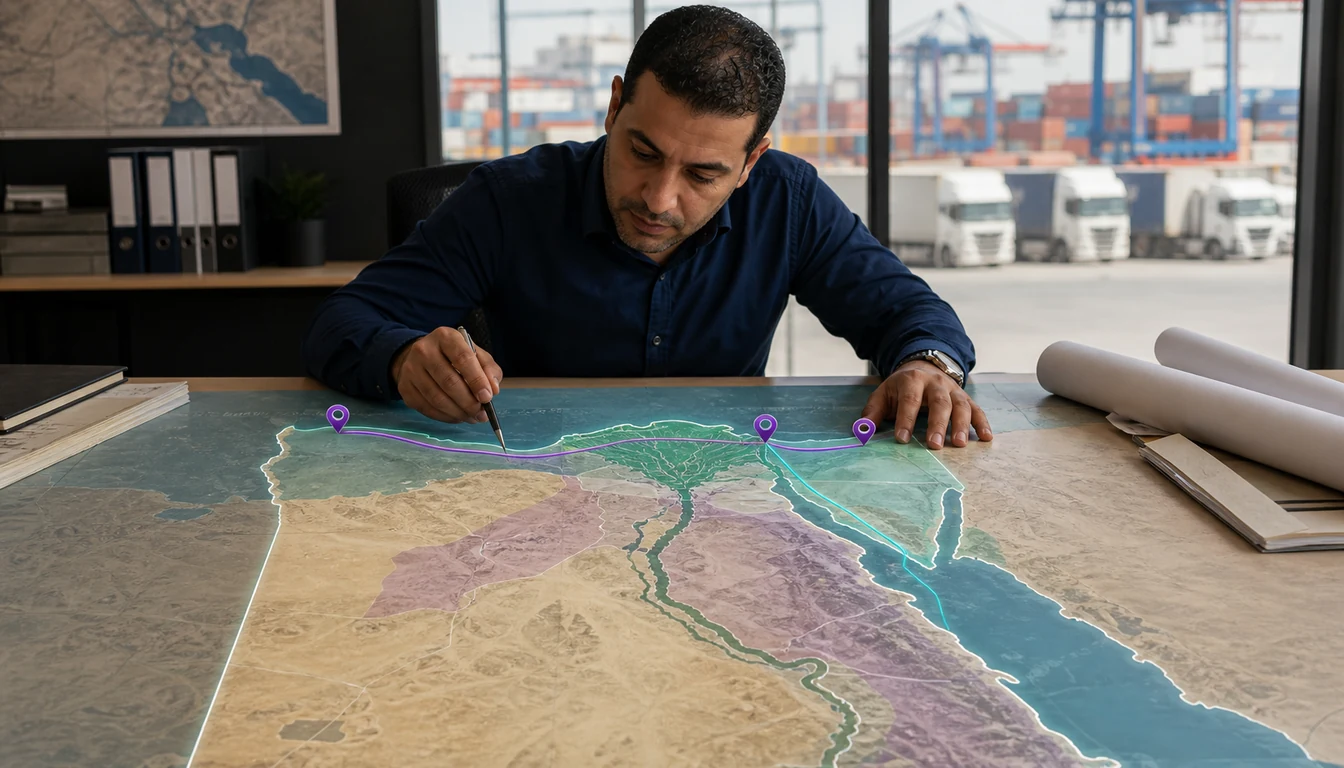
Three things carry Egyptian logistics and field-service work day to day: dispatch that flows from the Suez Canal ports of Alexandria, Damietta, and Port Said through Cairo and Giza hubs out to depots serving Upper Egypt and the Delta; offline-first capture for every rider, van, and field engineer on routes with patchy mobile coverage; and partner settlement that ties fuel cost, distance, and SLA performance to payout in EGP.
A consignment enters the queue through the cloud order screen from a shipper portal, an API feed, or the depot counter. Corridor and hub class decide the routing, each handover from a Suez Canal port to an inland depot gets logged, and a hub running behind schedule is flagged before the next dispatch wave goes out, with fuel cost and travel time built straight into the SLA target.
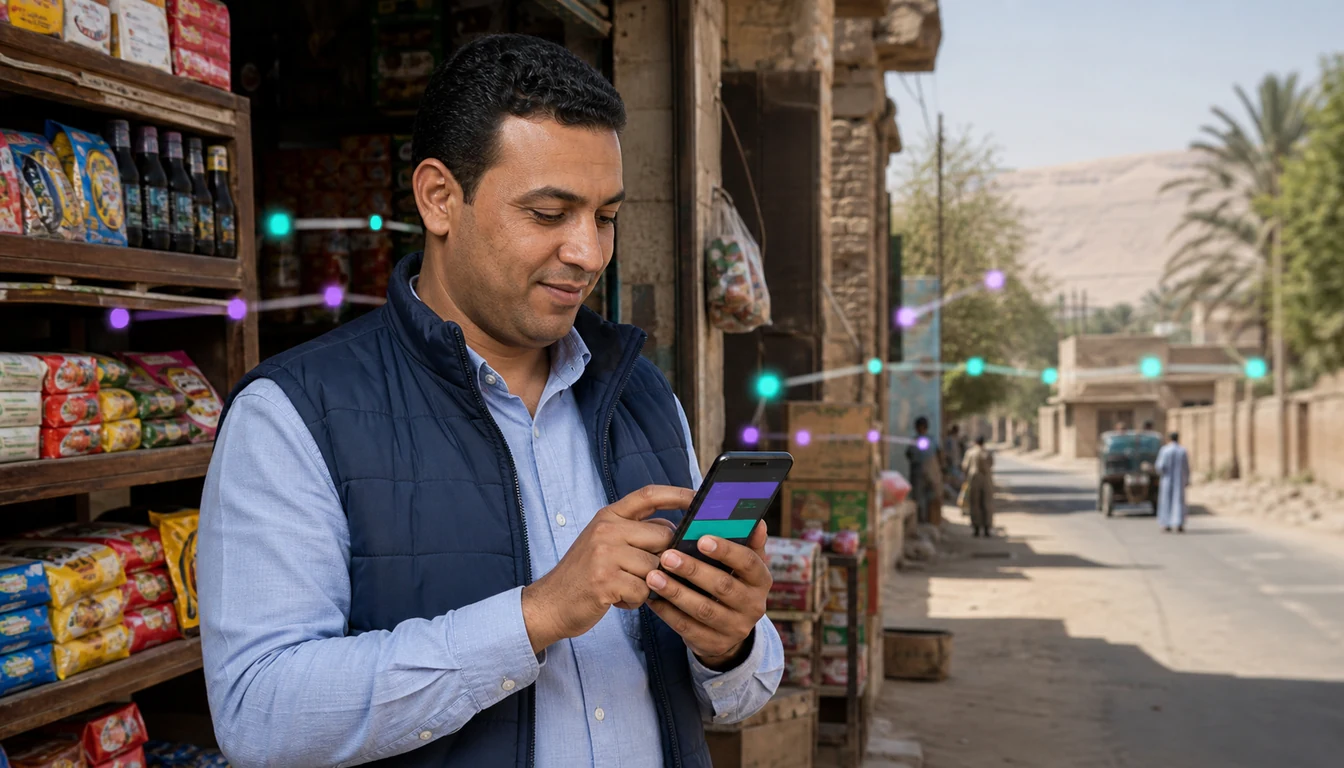
Riders, van crews, and field engineers work from a mobile app engineered to function without signal, common on the long stretches into Upper Egypt and the Delta. Every delivery confirmation, cash or InstaPay collection, and status change lands on the device first and pushes through once a connection is found, with cold-chain readings kept in an audit-ready log for regulated runs.
A missed drop records its reason, a damage claim carries its photo, and a return pickup books itself onto the next run, closing the loop even where street addresses run informally. Contract pricing folds in volume tiers, a fuel-cost adjustment, and SLA penalty clauses, while partner settlement clears in EGP across bank transfer, InstaPay, Fawry, and Meeza.
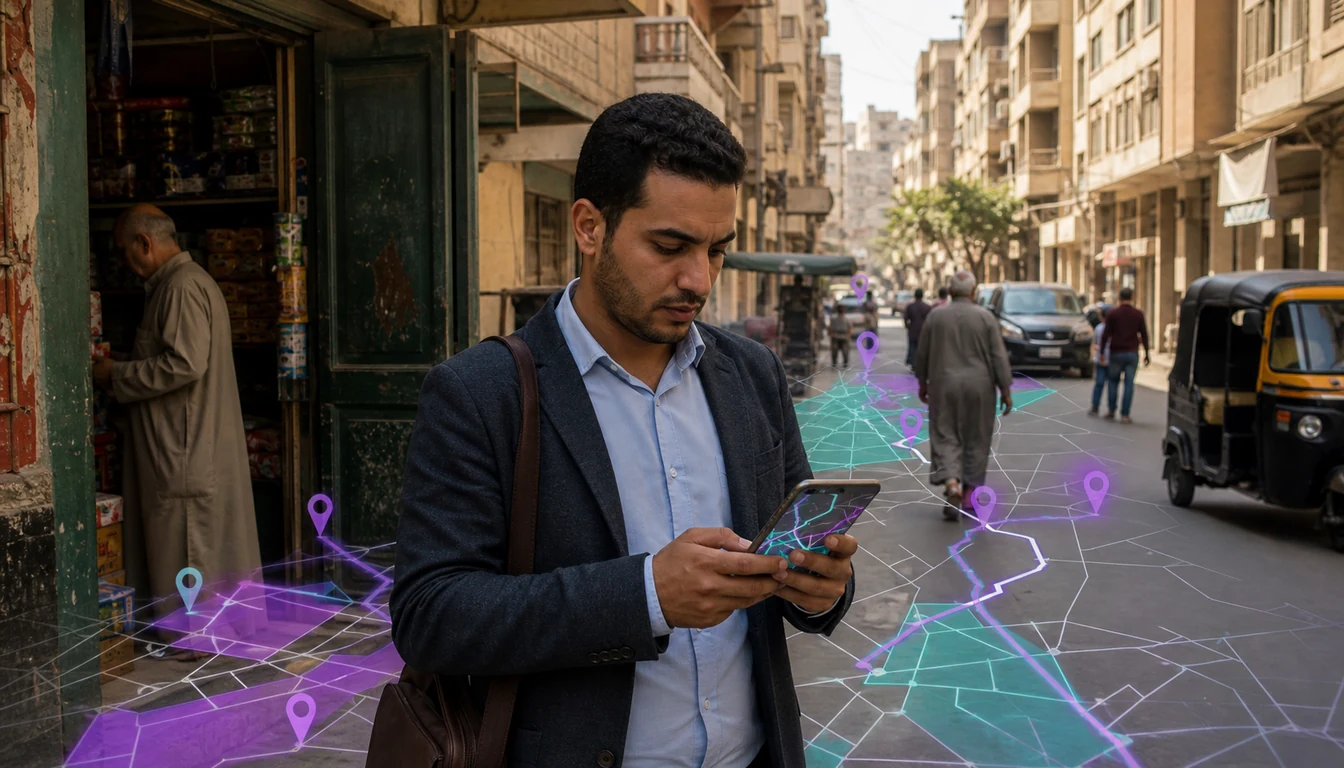
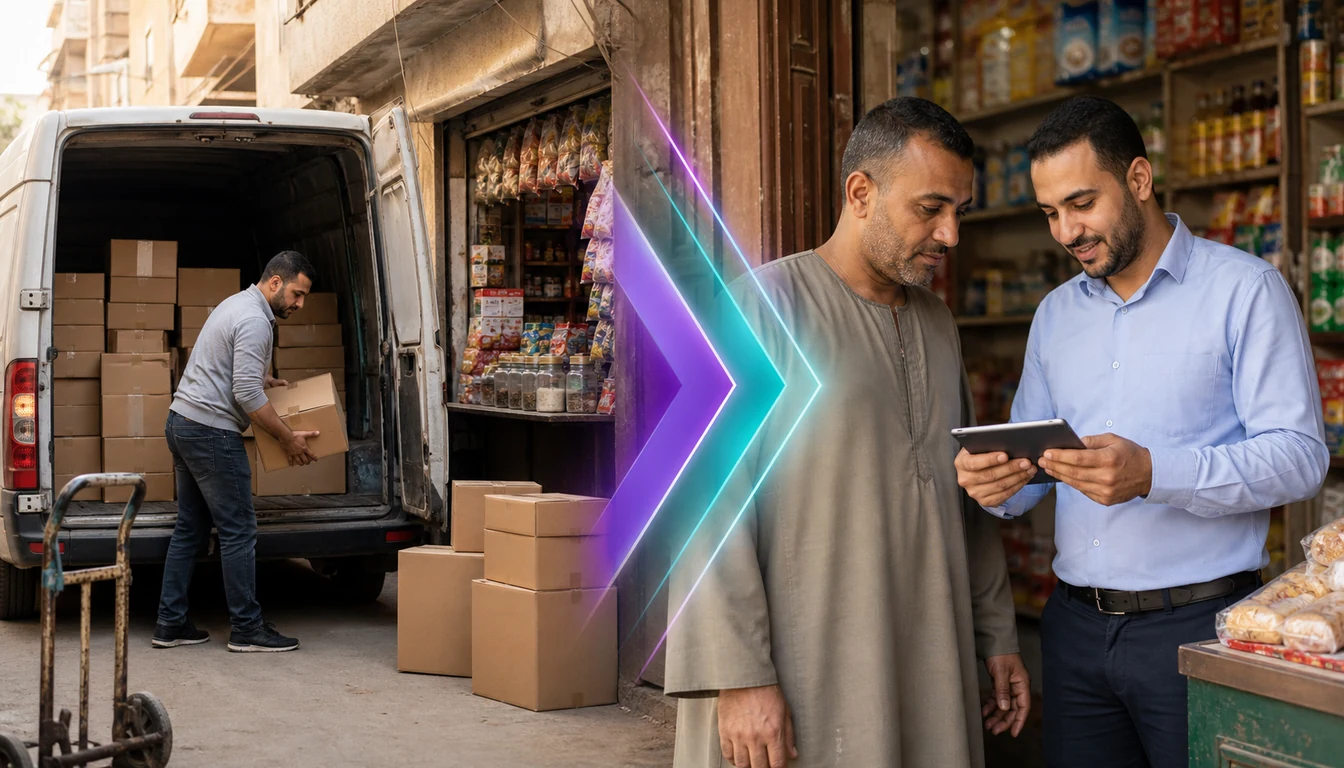
Short reads on running offline-first in the field, planning routes around Egypt's informally addressed streets, and choosing between van sales and pre-sales for hub and last-mile operations.
Every stage of Egyptian distribution sits on one cloud DMS: setting up consignment and asset masters, running port-to-depot dispatch, and closing out RTO and damage returns, with settlement logic that spans cash, bank transfer, InstaPay, Fawry, and Meeza.
Automated order handling covers routing by corridor, SLA-based allocation, a fuel-cost adjustment, and manifest consolidation, so a consignment reaches its rider or field crew from a Suez Canal gateway without a second data-entry step, and route planning already factors in Cairo traffic and Egypt's informally addressed streets.
Stock position is visible depot by depot, covering consignments, what is loaded in an engineer's van, and everything sitting in the return pool. Bin-level tracking, pick-and-pack, and transfers between Cairo, Alexandria, and satellite hubs such as 6th of October City run through the warehouse module, while batch tracking follows pharma and perishable lots on cold-chain runs.
Refrigerated runs log temperature continuously against a threshold set for each product category, with an alert firing the moment a reading crosses it. Medicines, vaccines, and frozen or chilled stock bound for pharmacies and modern-trade cold rooms each carry a complete, batch-linked history, ready whenever a quality check is needed.
A GRN check matches the shipper's manifest at the hub scan point and catches short landings on the spot, an RTO or damage return raises its own credit note without a manual step, and contract billing works out volume slabs, a fuel-cost adjustment, and SLA penalty terms, settling the total in EGP.
Field crews, hub staff, and franchise partners share two 1Channel apps for daily work, downloadable from Google Play and the Apple App Store, both wired into the same cloud backend that runs the admin portal.
Google Play

Apple App Store

Google Play
Apple App Store
One cloud DMS for the whole flow: port-to-depot dispatch, consignment traceability, cold-chain compliance, and EGP-based contract pricing by corridor.
Explore DMS Platform →Booking, SLA-based routing, a fuel-cost adjustment, and manifest consolidation take a parcel, freight load, or field-service job from entry to dispatch without a manual step.
Explore Order Management →Stock stays visible depot by depot for consignments and van-boot spare parts, with return-pool tracking and replenishment alerts spanning Cairo, Alexandria, and the satellite hubs around Greater Cairo.
Explore Inventory →Bin-level tracking, pick-and-pack, sortation, and transfers between port-gateway and inland hub warehouses keep stock moving without a paper trail.
Explore Warehouse →Routes account for Cairo traffic, corridor distance, and Egypt's informally addressed streets, sequencing stops by GPS and landmark for riders, vans, and field engineers alike.
Explore Route Planning →Scan-in, scan-out, delivery proof, manifest sign-off, and dispatch status all capture offline-first, so hub and last-mile activity keeps recording even on the weakest rural connection.
Explore Mobile DMS →RTO capture, photo-backed damage claims, return-pickup scheduling, and automatic credit notes are built around Egypt's informally addressed streets, not a formal house-numbering system.
Explore Returns →Receipt scans at the port gateway and depot check against the shipper's manifest, catching short landings and exceptions before they become a reconciliation headache.
Explore GRN →