Band A electricity customers in Lagos pay a higher tariff for roughly 20 hours of power a day. This week, some communities reported getting as little as four.
For brands selling through stores across Nigeria, that gap does not stay on the electricity bill.
It reaches the chillers, coolers and lit signs that sit inside the outlet.
The effect is sharpest in retail and modern trade, FMCG, consumer durables and pharma, where in-store equipment is part of how products sell.
This post covers what the outage reports say, why a dark chiller distorts a store audit, and what a field team should record instead.
What Lagos Band A Customers Are Reporting
Under NERC's restructured tariff bands, Band A customers pay a more cost-reflective rate in return for more supply hours, about 20 a day.
BusinessDay reported on 4 November that several communities are receiving as little as four hours.
Ikeja Electric has issued almost daily apologies to Band A customers for missing that minimum. Eko DisCo blamed limited allocation from the Transmission Company of Nigeria.
On 3 November, businesswomen on Lagos Island protested over supply that was hurting their trade.
Households and businesses are leaning on fuel generators and solar. As of the report, no DisCo had given a timeline for a fix.
Why a Dark Chiller Distorts the Audit
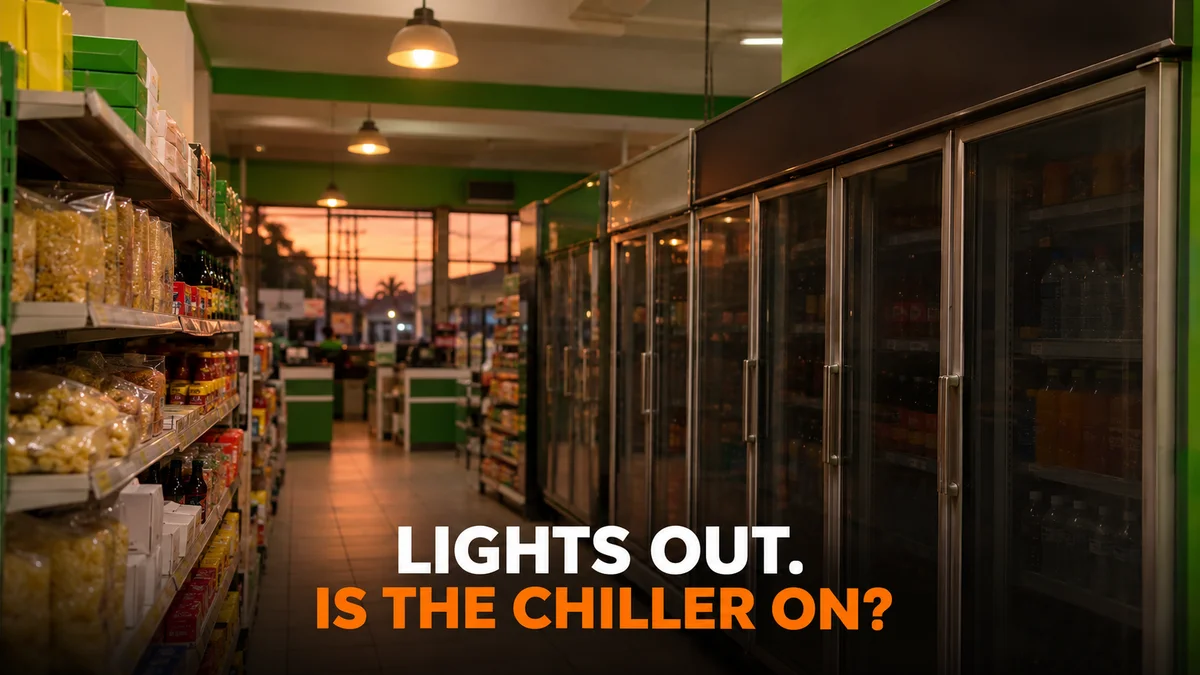
When the grid drops, a shop owner running a generator decides what stays on.
Branded chillers and glow sign boards are often the first to go, to save fuel.
A store audit that only asks whether the chiller is installed will still tick yes.
The drinks inside may be warm, and the shopper buys at the next shop instead.
Over a month of visits, the audit report shows the equipment in place, while the outlet sells less cold stock than the brand expects.
| What the Visit Records | What It Can Miss |
|---|---|
| Chiller installed | Whether it was running and cold at the time of the visit |
| Glow sign board present | Whether it was lit or dark |
| Outlet open | Whether it was trading on the grid, a generator, solar or none |
| Stock on the shelf | Whether cold-sale stock was moved out of a warm cooler |
None of this is a field team failing. It is a checklist written for a store with steady power.
How 1Channel Records Equipment Condition Store by Store
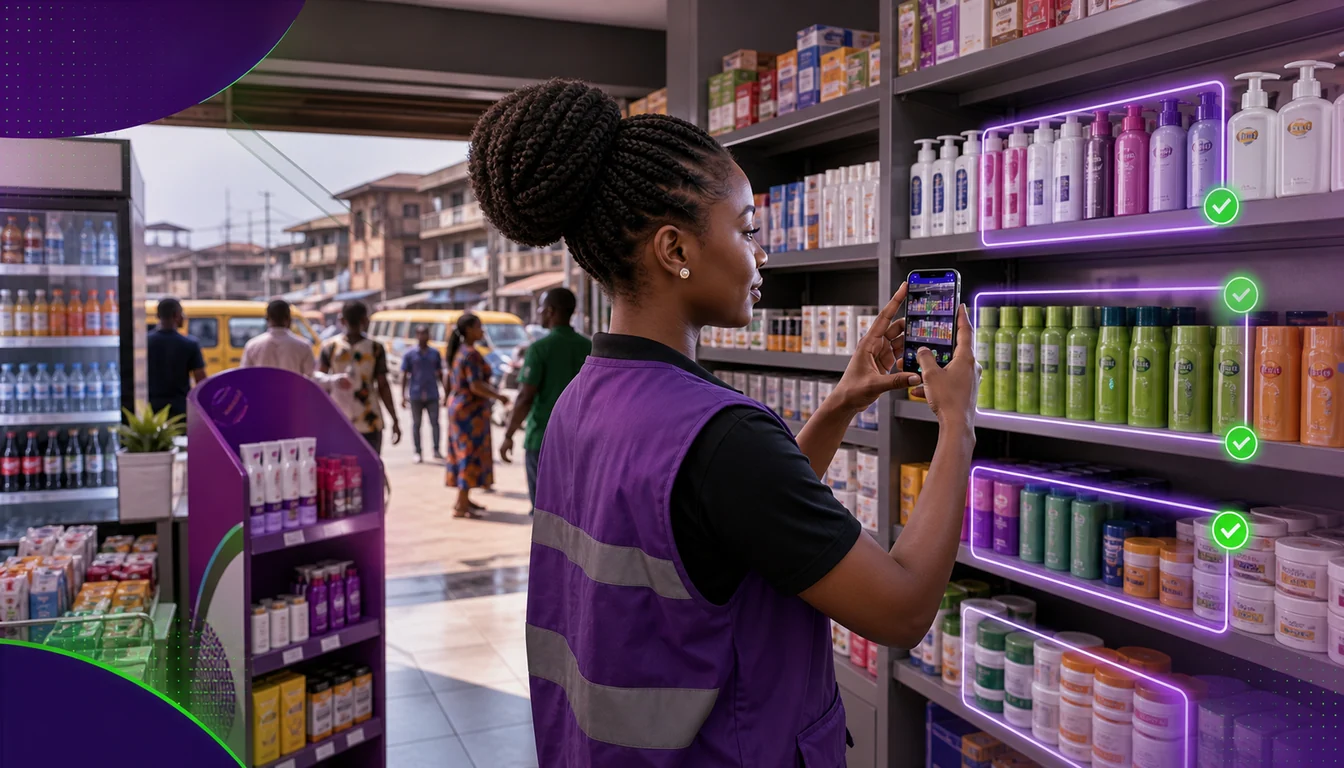
In 1Channel's field app, asset tracking sits inside the store visit.
The rep scans the QR sticker on the chiller, records its condition and can raise a complaint against that exact asset.
VisiMax, 1Channel's app for retail maintenance, visual merchandising and store audits, turns a dark logo or damaged fixture into a ticket with a turnaround clock.
Photos, forms and tickets save on the phone offline and sync later.
Audit the Chiller, Not Just Its Location
Build store audits that check equipment condition on every visit and send each fault to a tracked ticket.
Explore Store Audit and Compliance →What This Looks Like in Practice
A merchandiser visits a supermarket in Ikeja during an evening outage. The store is on its generator, and the brand's chiller is switched off.
She scans the chiller's QR sticker and records its condition with a photo.
She then raises a complaint on that asset, so the next visit knows it is still open.
The glow sign board above the chiller is also dark. Through VisiMax, that becomes a ticket with photos, which stays visible until the fix is checked and closed.
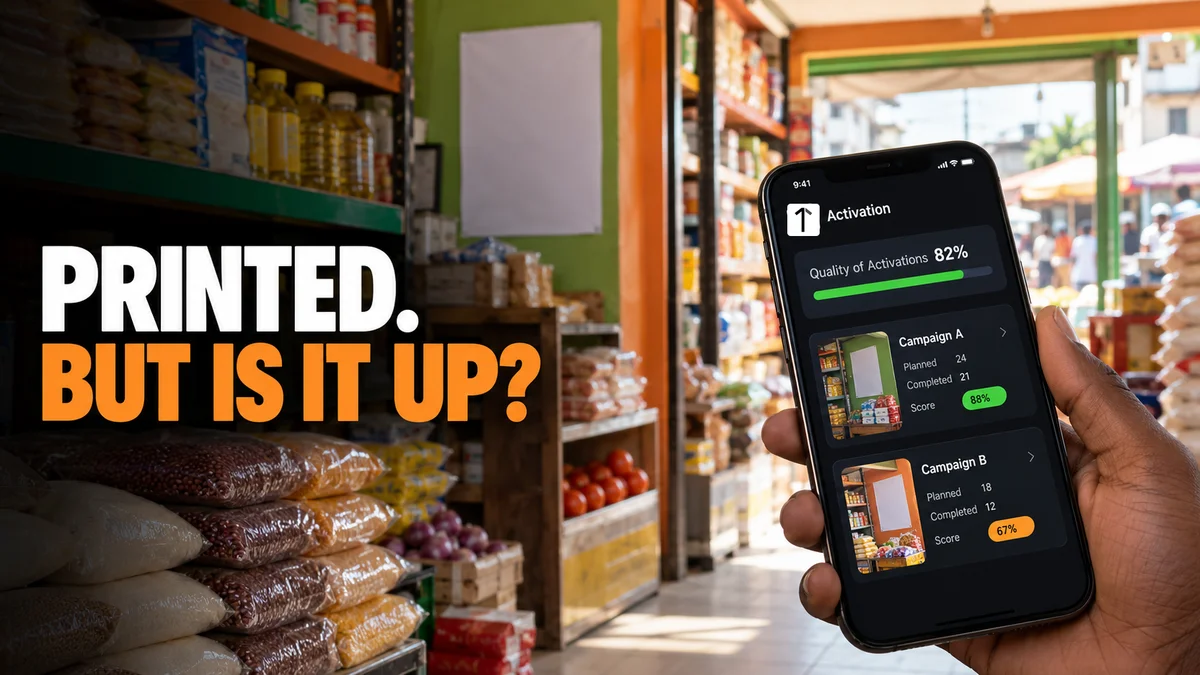
At month end, the trade marketing team sees which outlets had working equipment on each visit, not just which outlets have equipment installed.
Source: BusinessDay