Beauty-Brand Reading List for Ghana
Short reads on counter and stall audits, FDA batch and expiry discipline, and field apps built to keep working when signal drops on a northern beat.
From a Melcom shelf in Accra to a table-top stall at Kejetia, brands get one way to prove a beauty display is right: photo-verified counters, FDA batch checks, GPS-stamped POSM and a scorecard that reads the same in every region.
A counter that photographs well does not always sell well. Outlet-specific briefs set what "right" looks like at a kiosk versus a Melcom counter. Layered audits catch drift before a region's scorecard slips. AI shelf reads count facings and score shade trays without a manual recount.
A kiosk stocking single-sachet packs, a stall inside a traditional market such as Makola, and a modern-trade counter at a chain like Melcom or Palace each work to a different brief: what a compliant shade tray looks like, how many testers must be live, the gondola spec, and the POSM due for a Christmas or Easter push. The campaign module holds every one of those standards.
A merchandiser reviews their own visit before it is even submitted. Anything flagged pulls in a Sales Supervisor for a second look. The brand itself samples a slice of visits independently. Store audit compliance triggers that escalation on its own once a counter or region's shade-tray, tester or FDA batch figure falls short of what that outlet class is expected to hold.
A single counter photograph, read by the retail execution platform, is enough: the system counts lipstick and foundation units, tallies cream jars, checks roll-on and relaxer stock, confirms testers are present, and notes whatever a competing brand has on the same shelf. No one tallies a display by hand any more.
Short reads on counter and stall audits, FDA batch and expiry discipline, and field apps built to keep working when signal drops on a northern beat.
A single cloud system carrying beauty retail execution end to end: outlet briefs, three-level audits, shade-tray and tester scores, FDA batch verification, and a scorecard for every region and channel.
Campaign briefs are built around the chain or the market cluster: what the counter should look like, when an end-cap window opens and closes, how much tester stock is needed, and what POSM a festive push calls for. Proof of execution then closes the loop, matching what was spent to what actually went up.
L1, L2, L3 audits move through three hands: the merchandiser first, a supervisor next on anything flagged, and a key account manager last on a sampled visit. What comes out the other end is a photo record a buyer or a key distributor cannot easily argue with.
Every chain and market cluster gets one index that pulls together tester presence, share-of-shelf, end-cap occupancy, near-expiry flags and shelf compliance into a single figure, rolled up city by city from Accra and Kumasi through to Takoradi, Tamale and the region beyond.
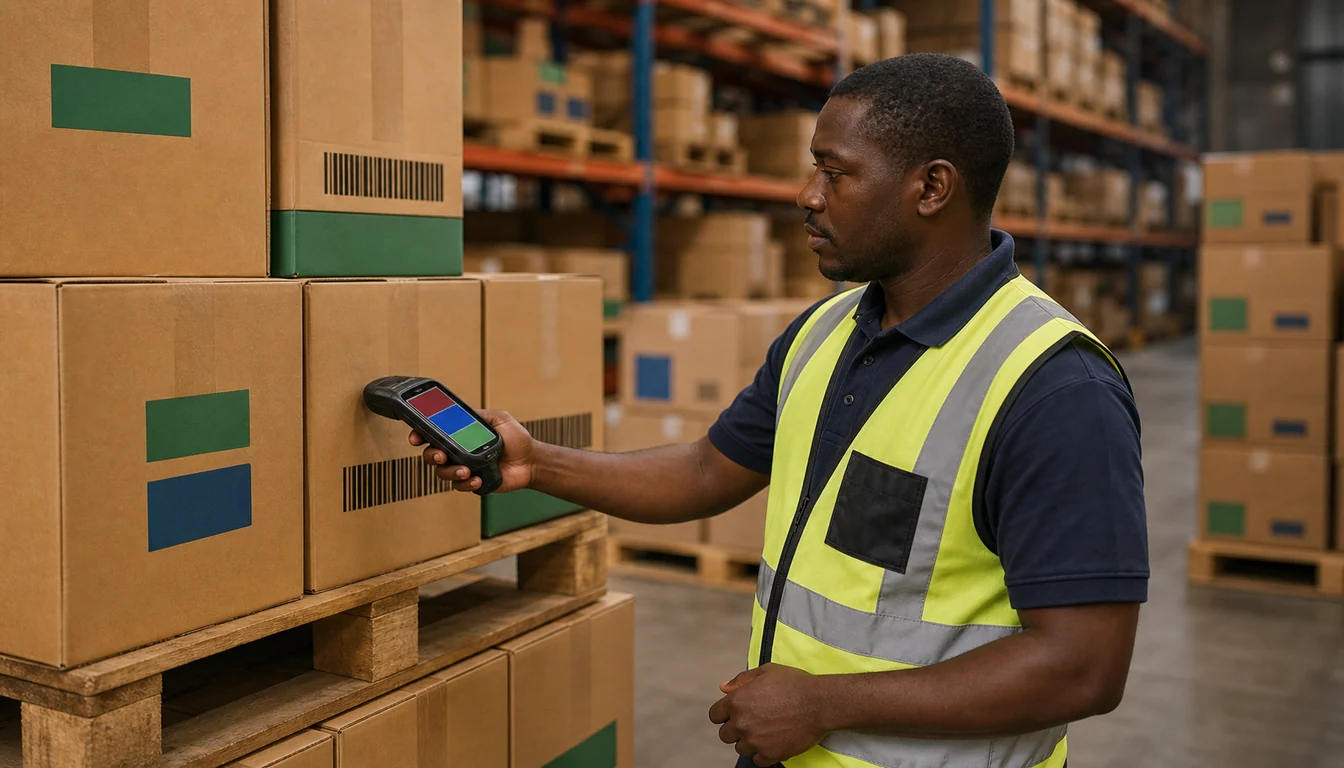
Open the retail merchandising mobile app, photograph the counter, and AI takes over: shade-tray completeness, SKU facings, tester presence and what sits next to it on a rival's shelf. Batch scans run alongside, catching stock close to expiry or a pack carrying no visible FDA mark. The tally sheet disappears.
Two 1Channel apps carry the field-to-channel workflow day to day, both listed on Google Play and the App Store, and both running on the same cloud backend behind the admin portal.
Google Play

Apple App Store

Google Play
Apple App Store
One cloud platform behind every number: AI that reads the shelf, audits that move from merchandiser to supervisor to brand, shade-tray and tester checks, and a scorecard that covers a beauty counter or a market stall alike.
Explore Retail Execution →Built to keep working when a market gets loud and signal drops: photograph the counter, run a shade-tray audit, log the testers, and scan an FDA batch code, all from one app in the merchandiser's hand.
Explore Mobile App →Design the brief once, then let the system handle the rest: who gets what by channel, whether the install actually happened, how a broken unit gets swapped out, and what each territory's festive spend returned.
Explore POSM Management →A photo and a GPS pin at install, another pair at verification, a before-and-after comparison, and a report that ties every cedi of brand spend back to what a shopper could actually see at the counter.
Explore Proof of Execution →Christmas, Easter or an Eid window each get their own outlet list and their own timeline, carried from the first brief through to the photo that confirms a display went up and stayed up.
Explore Campaign Management →Build the checklist once, route it through L1, L2 and L3 automatically, set the scoring and the trigger points, and track every corrective action back to the specific outlet class it came from.
Explore Audit Compliance →One outlet record instead of five spreadsheets: which class it belongs to, its geo-fence, its visit history, its audit scores, and which SKUs it is meant to carry, pulled together for the beauty distribution network.
Explore Store Management →Bring a new outlet on, classify it, and pin it to the map using landmarks where a GhanaPostGPS address is not yet second nature, then fold it into a merchandiser's beat and the wider segmentation model.
Explore Outlet Management →