Retail businesses generate large volumes of field data every day store visits, sales transactions, merchandising activities, stock updates, and employee performance. However, raw data alone does not provide meaningful insights.
To turn this information into actionable intelligence, businesses rely on channel classification within their retail analytics systems.
Channel classification organizes stores, outlets, and retail partners into structured categories. This classification allows businesses to analyse performance, track field activities, and generate more accurate reports.
When integrated into sales force automation systems and analytics dashboards, channel classification becomes a powerful tool for retail decision-making.
Understanding Channel Classification in Retail Analytics
Channel classification refers to the process of grouping retail outlets into defined channels or categories based on business requirements.
These channels can represent different types of retail formats, distribution structures, or operational segments.
Within retail analytics platforms, store data can be mapped with attributes such as location, distributor relationships, and channel classification.
This structured organization helps businesses analyse the performance of each retail segment more effectively.
For example, a retail brand may classify its outlets into different sales channels. Once classified, the analytics system can generate channel-wise reports for sales productivity, stock availability, and market visit performance.
Organize Retail Data with Smart Store Management
1Channel's Store Management Software helps you classify retail outlets, organize channel data, and track store performance. Structure your retail universe for better analytics and field operations.
Explore Store Management Software →Why Channel Classification Matters for Retail Analytics
Without proper classification, retail analytics becomes scattered and difficult to interpret. Channel classification helps organizations structure their data so that insights can be generated quickly and accurately.
1. Structured Store Data Management
Retail analytics systems allow businesses to create and manage store records with various attributes, including channels, categories, and territories. This structured setup helps businesses maintain a clear view of their retail universe.
Example:
A company operating in multiple cities can classify its stores by channel and territory. This allows managers to filter store data based on location and sales channel to understand regional performance.
2. Better Sales and Stock Analysis
When retail outlets are classified into channels, businesses can analyse sales and stock data more effectively. Analytics reports can show how different channels perform in terms of product movement, stock availability, and sales value.
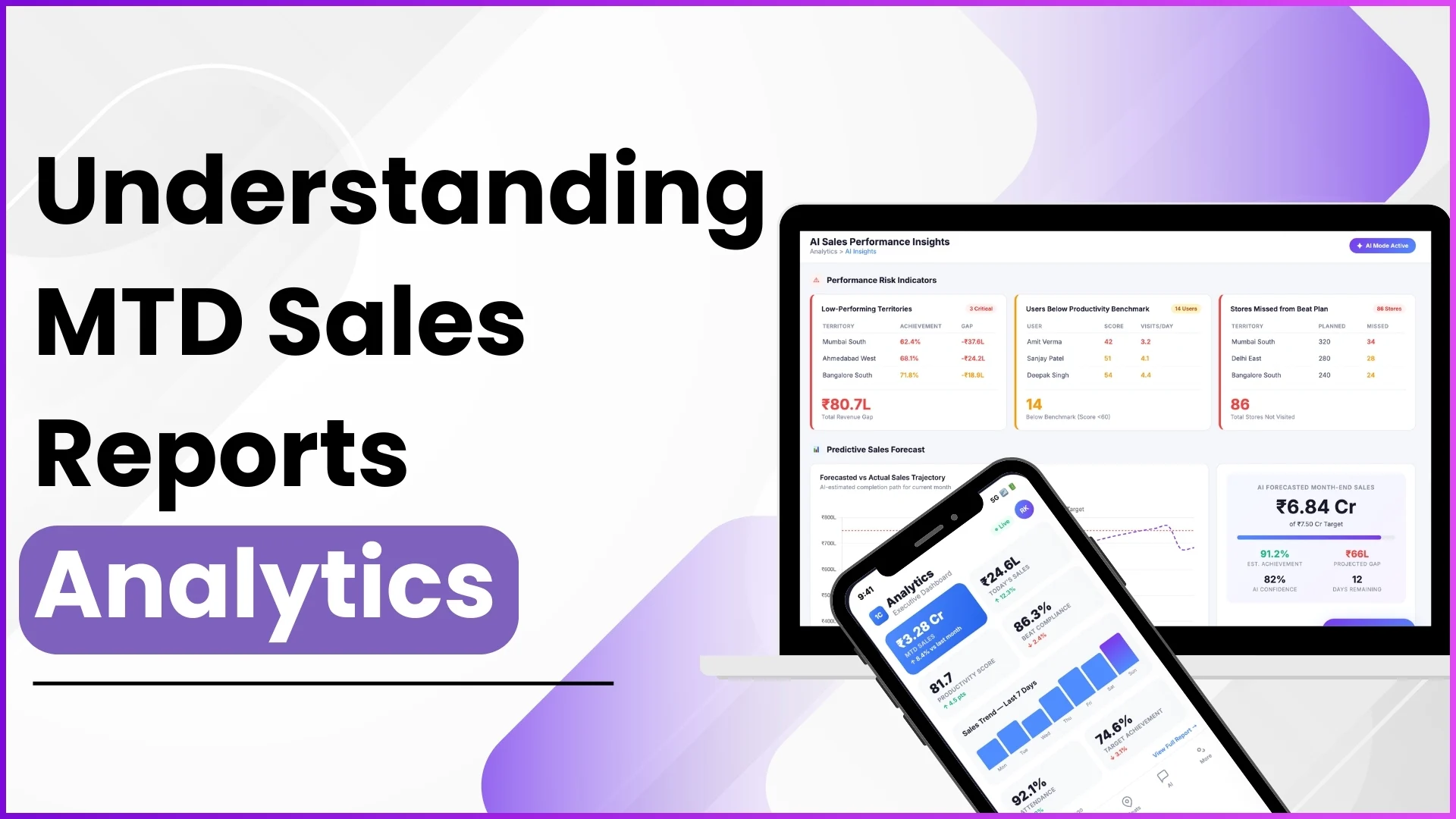
Reports such as sales reports, stock reports, and secondary sales reports help businesses monitor performance across classified retail outlets.
Example:
A manager reviewing the sales report can compare SKU-wise sales between different retail channels to identify which segment drives the highest product demand.
3. Accurate Field Activity Monitoring
Channel classification also improves field operations analysis. Retail analytics platforms capture activities such as store visits, merchandising tasks, and sales updates performed by field teams.
Reports like visit productivity reports, store visit reports, and merchandising visit trackers provide visibility into how employees perform across different retail channels.
Example:
If a promoter is assigned to multiple outlets within a specific channel, the analytics system can measure how many stores they visited and what activities were performed in each location.
4. Improved Distributor and Store Mapping
Retail analytics platforms allow businesses to map distributors with retail outlets. Channel classification ensures that distributor relationships are organized properly within the retail ecosystem.
This structured mapping helps businesses track distribution coverage and understand which channels receive the most distributor support.
Example:
If a distributor is mapped to several outlets within a particular channel, businesses can track stock flow and secondary sales performance for that segment.
5. Customized Reporting and Insights
Channel classification enhances the effectiveness of analytics reports by enabling filtering and segmentation. Businesses can generate reports based on specific channels, locations, or store attributes.
Advanced reporting tools also allow administrators to build custom reports using selected dimensions such as sales, stock, merchandising, or attendance data.
Example:
An analytics manager can build a custom report to analyse sales performance for a specific retail channel in a particular city during a selected date range.
How Channel Classification Supports Retail Intelligence
Retail intelligence relies on accurate and structured data to generate insights. Channel classification plays a crucial role in enabling this process by organizing store information into meaningful categories.
Once stores are classified, analytics dashboards and reports can provide insights such as:
- Channel-wise sales performance
- Store productivity trends
- Field visit efficiency
- Merchandising execution status
- Stock availability across retail outlets
This structured data environment enables decision-makers to identify performance gaps and optimize their retail strategies.
How Channel Classification Improves Field Operations
Channel classification does not only benefit analytics teams it also improves field team management.
By organizing stores into channels, businesses can:
- Assign store visits more efficiently
- Create structured market visit plans
- Track employee compliance with beat plans
- Measure visit productivity accurately
For example, a field representative assigned to a specific channel can follow a predefined market visit plan and record activities during store visits. These activities are later reflected in analytics reports for performance monitoring.
Enhancing Retail Strategy with Channel-Based Analytics
Retail analytics platforms provide various reports that become more valuable when channel classification is implemented. These reports help businesses measure operational efficiency and sales productivity.
Some examples include:
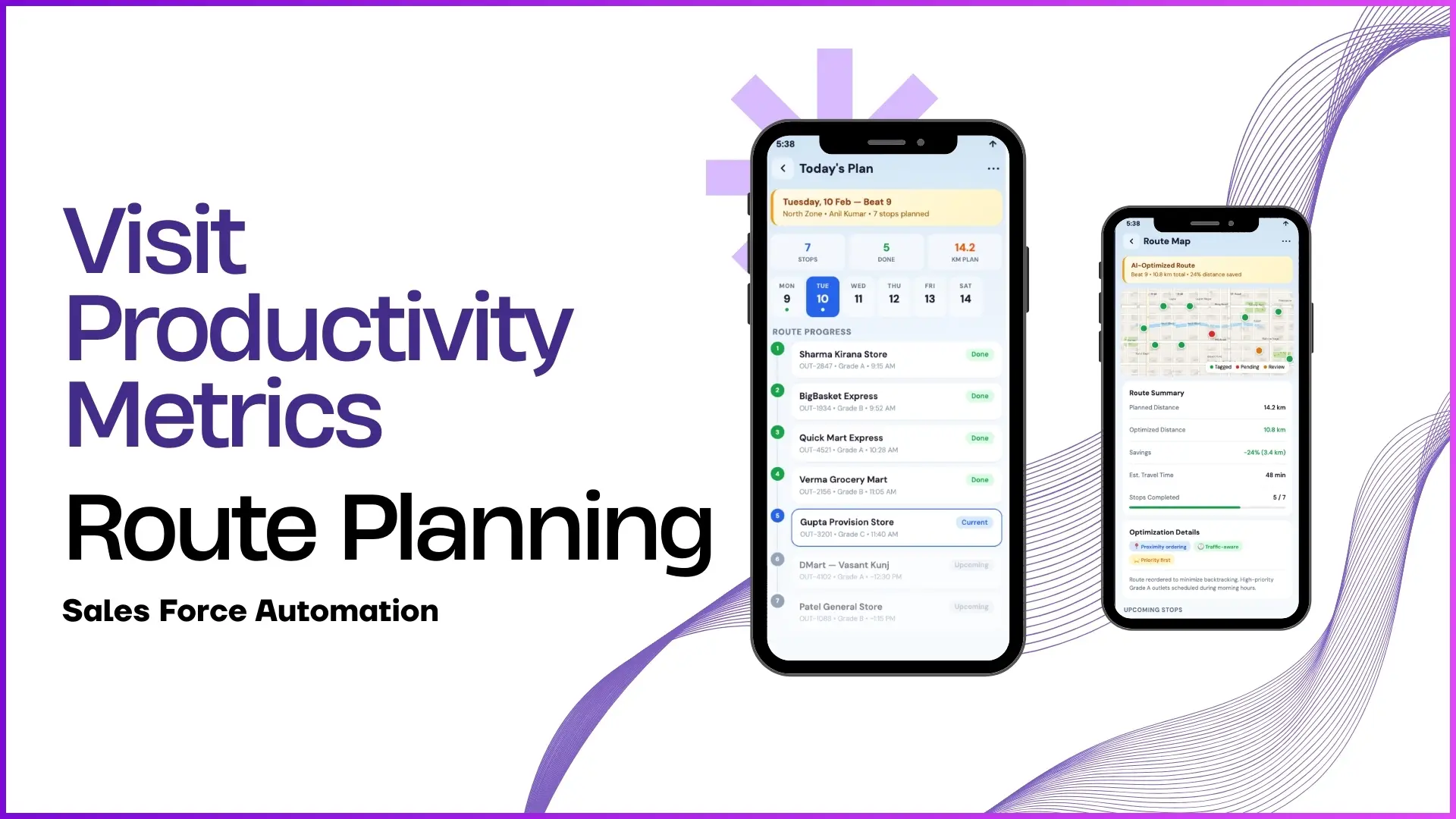
- Visit Productivity Report: Tracks the number of stores visited by field employees.
- Sales Productivity Report: Shows SKU-wise sales performance across stores.
- Store Visit Report: Provides detailed insights into activities performed during store visits.
- Stock Reports: Displays SKU stock data across retail outlets.
With channel classification, these reports can be filtered to analyse specific retail segments more accurately.
How 1Channel SFA Helps Businesses Implement Channel Classification
Retail analytics becomes far more effective when supported by a powerful sales force automation platform. 1Channel SFA helps businesses manage store data, classify outlets into channels, and generate detailed analytics reports from field activities.
Through its centralized portal, administrators can create and manage store records, map distributors, assign store attributes, and define channel classifications. The system also provides extensive analytics reports such as sales reports, visit productivity reports, and merchandising reports that help businesses track retail performance in real time.
With configurable dashboards, reporting tools, and store management features, 1Channel enables organizations to build a structured retail data ecosystem that supports better channel-based decision-making.
Transform Retail Operations with Smart Automation
1Channel's Sales Force Automation platform provides comprehensive store management, channel classification, and retail analytics. Structure your retail data and drive better business decisions.
Explore Sales Force Automation →FAQs
1. What is channel classification in retail analytics?
Channel classification is the process of grouping retail outlets into defined categories or channels to organize store data and improve analytics insights.
2. Why is channel classification important for retail businesses?
It helps businesses structure their store data, analyse sales performance by channel, track field activities, and generate more meaningful analytics reports.
3. How does channel classification improve reporting?
By organizing stores into channels, analytics systems can generate filtered reports that show channel-wise sales, stock availability, and field visit productivity.
4. Can channel classification help with field team management?
Yes. It helps businesses assign store visits, monitor beat plan compliance, and measure field employee productivity across different retail channels.
5. What types of reports benefit from channel classification?
Reports related to sales performance, stock levels, store visits, merchandising activities, and distributor mapping become more insightful when channel classification is applied.