Cloud Software Built for FMCG & CPG Companies in the Philippines
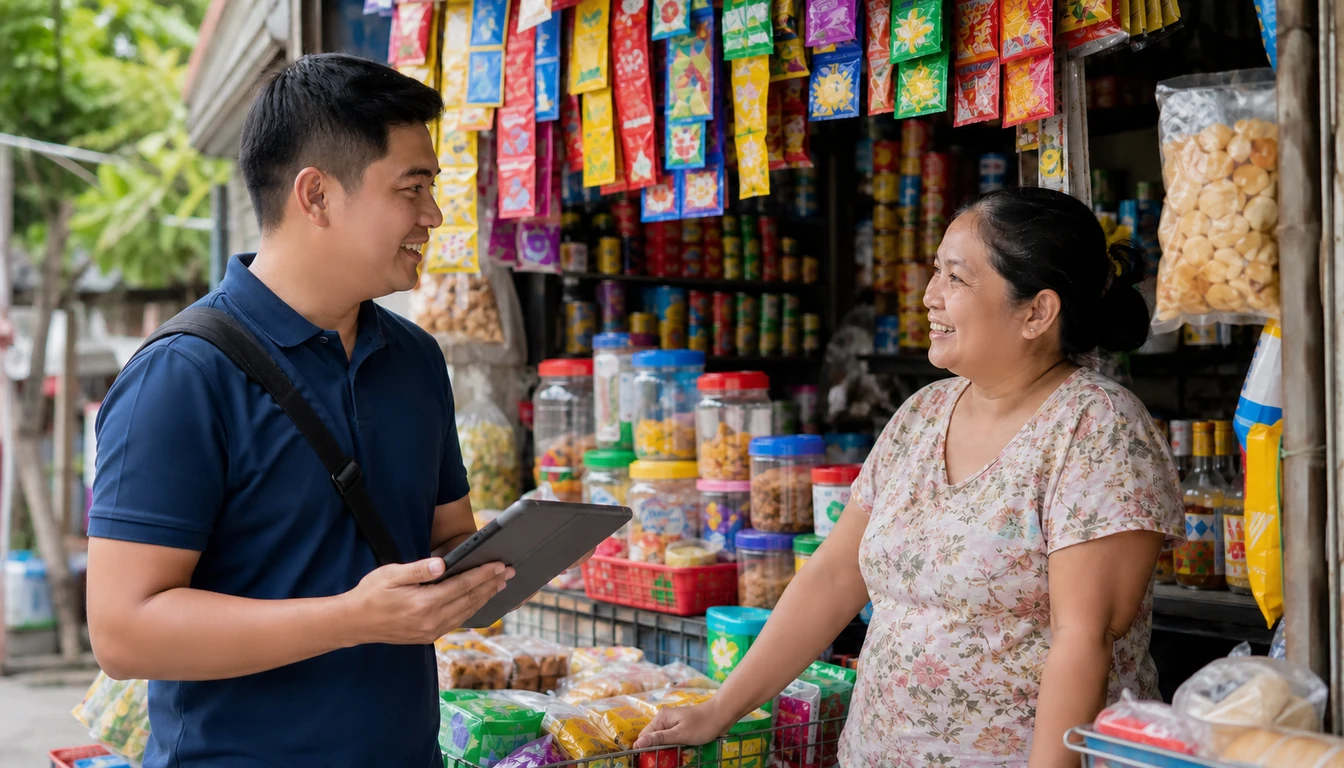
Run TSR beats across sari-sari clusters, distributor and sub-distributor networks, modern-trade audits, and retailer loyalty on one cloud stack. Offline-first for typhoon season and island connectivity gaps, ready for cash, GCash, Maya, and bank transfers.
FMCGConsumer Packaged GoodsFood & BeverageDairyHome Care
Where Philippine FMCG Operations Lose Time and Margin
Sari-sari beats, modern-trade calls, van sales, and sub-distributor accounts run on phone calls, chat threads, and spreadsheets. The chain comes apart at six points.
TSR Coverage Is Self-Reported
An area sales manager gets the beat list once the week has closed, not while it is happening. Sari-sari visits, modern-trade calls, and van drops get written up hours later, when they get written up at all, so a gap in a barangay route only shows up once the monthly review lands.
Orders Are Taken by Phone or Chat
TSRs call or message sari-sari orders in to the distributor's office instead of capturing them on a proper app. Staff retype the order into an invoice. Tingi-pack mix-ups, wrongly applied schemes, and silent stock-outs follow close behind.
Secondary Sales Lag the Calendar
By the time distributor sales reports come in, 7 to 10 days have usually passed. A brand manager reading last cycle's numbers cannot retune a trade scheme, reroute a van load, or push a slow-moving tingi SKU while there is still time to act.
Modern-Trade Audits Stay Subjective
A promotion sends POSM out to supermarket and hypermarket chains, but nobody checks back to see whether the facings, shelf share, or planogram were actually delivered. Trade spend and what actually landed on the shelf stay two separate stories.
Sari-Sari Retailers Stay Untracked
A sari-sari store owner gets rewarded through whatever credit terms the sub-distributor feels like offering that week, not a structured points scheme. With an estimated 1.1 million sari-sari stores driving roughly 60% of FMCG sales, that leaves brand recall, category push, and SKU-level loyalty sitting with the sub-distributor rather than the brand that actually needs them.
Product Training Is Ad Hoc
New launches, FDA pack changes, and scheme updates spread through group chat voice notes across a field force that moves between Tagalog-speaking Luzon and Cebuano-speaking Visayas and Mindanao. Nobody tests understanding, nothing gets logged, and there is no way to tell whether a given TSR can pitch the update correctly.
Apps that Run the System
Mobile Apps for TSRs, KAMs, and Distributor Staff
Two apps cover the full Philippine FMCG workflow, from dense sari-sari clusters to modern-trade calls, each one offline-capable on Android and iOS and syncing back to a shared cloud admin portal.
1Channel SFA & DMS
Google Play
1Channel SFA & DMS
Apple App Store
1Channel CRM
Google Play
1Channel CRM
Apple App Store
FMCG Solutions in Detail
Five Modules, Five Detail Pages
SFA, DMS, loyalty, retail execution, and LMS each have a dedicated page covering Philippine FMCG workflows, screens, and integrations.
A cloud sales force automation platform built for Philippine FMCG field teams. One offline-first app carries a TSR through a sari-sari and tingi-heavy beat, a modern-trade KAM call, and a van-sales or pre-selling run, checking off each visit by GPS and pushing the order back to head office the same day.
Geo-Fenced Attendance, a selfie with AI liveness verification confirms the TSR is actually standing at the sari-sari store, shop, or supermarket on the plan
Beat Plans for Trade and Chain, a PJP maps every outlet to a visit day, with AI sequencing the route across dense barangay clusters and multi-island territories
SKU Order Capture, suggested order from purchase history, scheme pre-applied, peso values shown live even for small tingi-pack baskets
Van Sales and Pre-Selling Modes, on-truck stock, instant invoice, settlement by cash, GCash, Maya, or bank transfer at the outlet
1Voice AI Assistant, ask "pending KAM orders" or "which outlets were missed today" and get an answer instantly
A cloud distributor management system for Philippine distribution networks. Order booking, batch-level stock, peso pricing, trade schemes, GRN, and payment reconciliation in one portal. Stock landing through Manila, Cebu, or Davao ports gets full inbound traceability across a road-and-inter-island freight network.
Order to Invoice, FIFO or FEFO allocation, scheme auto-apply, peso credit-limit block
Batch and Expiry Control, stock tracked warehouse by warehouse for edible oils, dairy, and packaged food, with alerts firing ahead of expiry in line with FDA guidance
Channel Pricing, separate price lists for sari-sari retailers, sub-distributors and wholesalers, supermarket chains, and modern trade
Digital Payment Reconciliation, collection capture across GCash, Maya, InstaPay, PESONet, and bank transfer, auto invoice allocation, outstanding aging
GRN, Returns, Approvals, tiered signoff chains, credit-note issuance, and workflow triggers you configure per approval stage
Loyalty for Sari-Sari Retailers, Wholesalers, and Promoters
A cloud loyalty platform built for the Philippine trade. A retailer can earn points by scanning a pack QR, from sales-data slabs pulled off the DMS, or by uploading an invoice for multi-level review, then redeem to GCash, Maya, or a bank account, a voucher partner, or a physical reward catalogue.
Pack QR and Invoice Earning, QR scans run through automatic fraud checks; invoice uploads route through multi-level approval before points post
Instant Payout, straight to the sari-sari retailer's e-wallet, such as GCash or Maya, or bank account via InstaPay, no manual cheque cycle
Gamification, leaderboards, spin-the-wheel and scratch-card mechanics, and a tier ladder running Silver through Gold to Platinum
App and SMS Alerts, balance reminders, expiry warnings, and campaign pushes in Filipino, English, Cebuano, or other regional languages
Retail Execution for Modern Trade and Supermarket Chains
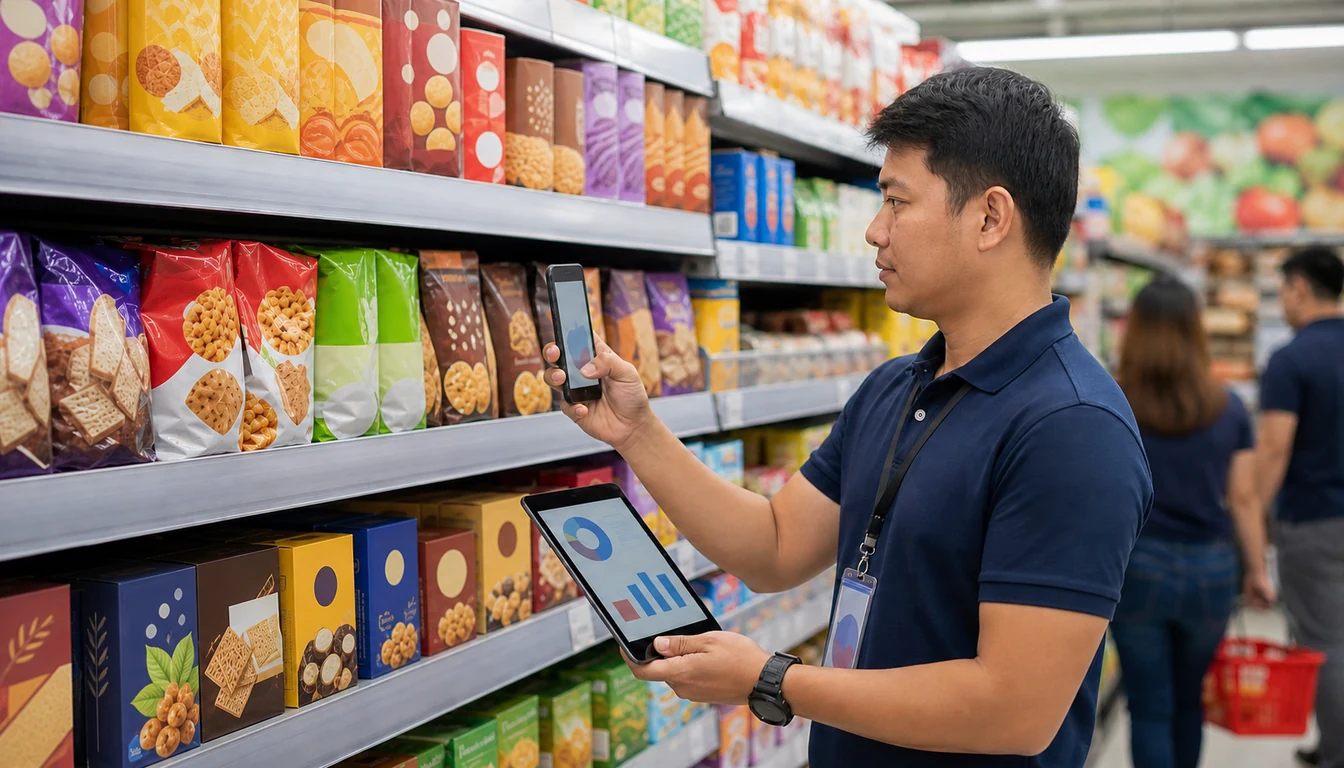
An AI retail execution platform for outlet audits across the Philippines, whether the run covers an SM, Robinsons, Puregold, 7-Eleven, or Alfamart aisle. Each POSM rollout ships with a store list and a picture-of-success reference photo per SKU. Cloud image recognition then reads the shelf photo for facing counts, eye-level placement, brand blocking, and competitor share, with no manual tally sheet.
Merchandising Campaigns, geo-tagged store list, reference photos per SKU, budgeted or ad hoc rollouts timed to a promotion window
Three-Tier Audit Cascade, field capture, supervisor review, and head-office sign-off, with automatic flags where a shelf photo misses the brief
Shelf Visibility Score, brand-wise facing counts, hot-zone placement, and a brand-blocking rating rolled up by chain and by region
AI Image Recognition, planogram compliance, share-of-shelf, and competitor presence read straight from one shelf photo
A cloud sales team LMS for Philippine FMCG workforces. Training reaches a rep through whichever mode fits: a classroom session with photo attendance, a virtual call over Meet, Teams, or Zoom, geo-tagged coaching on the shop floor, or a self-paced e-learning module, delivered in Filipino, English, Cebuano, and other regional languages for a field force spanning Luzon, Visayas, and Mindanao. Each module unlocks once its promotion criteria are met.
Attendance Logged Automatically, captured by photo, video-call presence, geo-tag, or course completion depending on the session type
Gamified Assessments, photo and text-based quizzes, configurable pass marks, and negative marking to separate real product knowledge from guesswork
Level-Based Unlocks, the next module opens once tenure, certificate, and KPI conditions are met
Certificates and Scorecards, badges issue on completion, trainers get a session scorecard, and each rep keeps an individual progress log
Eight reasons the platform fits food, beverage, dairy, home care, and personal care teams across the Philippine trade.
One Cloud, Five Modules
SFA, DMS, loyalty, retail execution, and LMS read and write the same records. A TSR's visit, a distributor's invoice, and a chain audit connect without anyone re-typing a thing.
Configurable, Not Fixed
Price lists, beat plans, audit checklists, and approval chains are set up to match your channel mix. Launching a new tingi-pack SKU or a new scheme does not need a code change.
AI Where It Counts
Beat sequencing across sari-sari clusters, shelf-photo scoring, fraud checks on QR scans, and the 1Voice query assistant each target one specific bottleneck rather than being bolted on for show.
Offline-First Through Typhoon Season
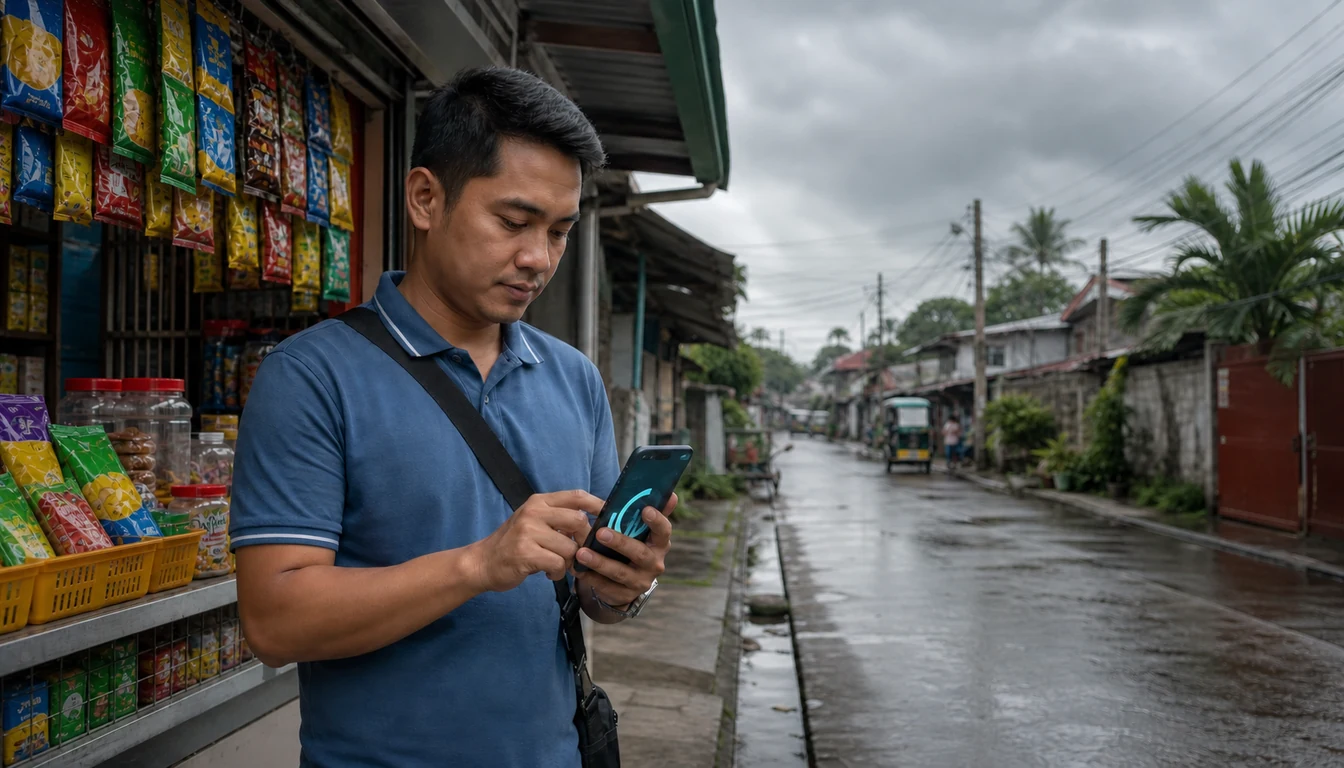
TSRs work dense sari-sari clusters and rural island routes through typhoon disruption and weak signal. Visits, orders, and photos sync the moment coverage returns.
Enterprise-Grade Controls
Access is scoped by role, data stays encrypted at rest and on the move in line with the Data Privacy Act of 2012, and nothing happens without leaving a trail. High-value approvals can route through as many as seven levels before anything clears.
Plugs Into Your Stack
REST APIs and SFTP feeds link to SAP, Oracle, Microsoft Dynamics, Sage, and whatever DMS or warehouse system is already running, so nothing in place today has to be ripped out.
Modular Rollout
Start with SFA alone or DMS alone in one region, then bring in the rest later. No single cutover date, and no disruption to a field team mid-cycle.
White-Labelled Apps
TSR and retailer-facing apps publish to Google Play and the App Store under your own brand, logo, colour scheme, and splash screen.
Ready to Digitise Your Philippine FMCG Stack?
Book a 30-minute walkthrough. We will scope a Philippines rollout for SFA, DMS, loyalty, retail execution, and LMS sized to your distributor network and sari-sari reach.
How do the five modules fit together for a Philippine FMCG distributor?▼
All five share one cloud data layer. TSR attendance and orders captured in SFA post straight into the DMS, modern-trade audits sit inside retail execution, retailer loyalty points are calculated from DMS sales feeds, and LMS training runs alongside the same records. One admin portal, one shared source of truth across Luzon, Visayas, and Mindanao operations.
Will it work alongside the ERP and DMS we already run?▼
Yes. REST APIs link to SAP, Oracle, Microsoft Dynamics, Sage, and whatever DMS or warehouse system is already in place. Monthly sales figures can also move across by SFTP feed into the loyalty engine. Webhooks fire the moment an order is captured, a dispatch goes out, or a GCash, Maya, or bank-transfer payment lands, so the platform sits inside your current stack instead of replacing it.
How do GCash, Maya, and bank-transfer payouts work for retailer loyalty rewards?▼
Points pay out straight to the retailer's e-wallet, such as GCash or Maya, or to a bank account via InstaPay or PESONet. Voucher partners and physical reward catalogues are options too. Points-to-peso conversion, slab rules, and tier ladders are all configurable in the admin portal. SMS and app notifications confirm every payout.
How does the offline mobile app cope with typhoon season and patchy island signal?▼
The app is built offline-first, so a TSR can clock in, pull up the day's beat, capture a sari-sari order, fill in an audit form, or close out a van sale with zero signal. Everything, photos, GPS pins, timestamps included, queues on the device and pushes through automatically once coverage comes back, so a downed tower in typhoon season or a rural dead zone on an inter-island route never stalls the working day.
Does it handle the Philippine peso, regional languages, and multi-island territories?▼
Yes. Native Philippine peso pricing, multi-language support spanning Filipino, English, Cebuano, and other regional languages, and single-timezone PHT scheduling. The geography master models Island Group to Region to City to Outlet, or any structure you run, so Luzon, Visayas, and Mindanao coverage stays distinct. Pricing, schemes, and campaigns can vary by channel, region, or customer group.
Which user permissions and data safeguards come as standard?▼
Each user only sees the data their role allows, and that data is encrypted both in transit and at rest, aligned with the Data Privacy Act of 2012 and National Privacy Commission expectations. Every transaction leaves an audit trail, white-labelled apps authenticate securely, and a credit, scheme, or high-value order can be routed through up to seven sequential sign-off stages before it clears.
What is the path to going live, and which support comes with it?▼
An onboarding team sets up the geography tree, the product master (Brand to Category to SKU), user roles, beat plans, and workflow rules ahead of go-live. Existing users, SKUs, outlets, and targets load in bulk through a single import rather than manual entry. Admins, TSRs, and distributor staff each get role-specific training, and most rollouts start with a pilot on one module before the rest follow.
Where is AI applied across the FMCG workflow?▼
In SFA, AI sequences each TSR's beat across dense sari-sari clusters and drives the 1Voice query assistant. In DMS, it flags replenishment the moment stock runs low. In loyalty, it screens QR scans for fraud and runs the slab-allocation maths. In retail execution, it reads shelf photos for planogram compliance, share-of-shelf, and competitor presence. In LMS, it points each rep at the next module based on where their performance gaps sit.
What other sectors run on this same platform?▼
Beyond FMCG and CPG, the same platform runs Food and Beverage, Dairy, Home Care, consumer durables, electronics, banking, healthcare, industrial products, automotive spares, agri inputs, and building materials businesses. Retail execution fits any brand auditing outlets, whether that means a telco retail counter or an electronics demo stand.
What does the pricing model look like for an FMCG company?▼
Licence fees scale with user count and the modules in use. A distributor can start on SFA alone or DMS alone, or take the full five-module suite at a bundled rate. Branded apps on Google Play and the App Store carry no extra fee. Reach out to the 1Channel team for a quote sized to TSR headcount and distributor network reach.