DMS Reading List for Logistics & Field Operations
Quick reads on offline-first field work, island-corridor coverage planning, and route models for Philippine hub, last-mile, and field-service teams.
Cloud DMS for Philippine 3PL, last-mile, and field-service networks: dispatch that spans road haulage and inter-island sea and air freight, offline-first rider and technician tracking that keeps working through typhoon season, and partner billing reconciled to GCash, Maya, and bank transfer in Philippine pesos.
Philippine logistics and field-service operations turn on three things: order and dispatch visibility across road haulage and inter-island sea and air freight moving between Luzon, Visayas, and Mindanao; inventory control for depot-to-depot transfers that can survive a rerouted sailing; and billing and collections in Philippine pesos that hold up when typhoon season changes the plan.
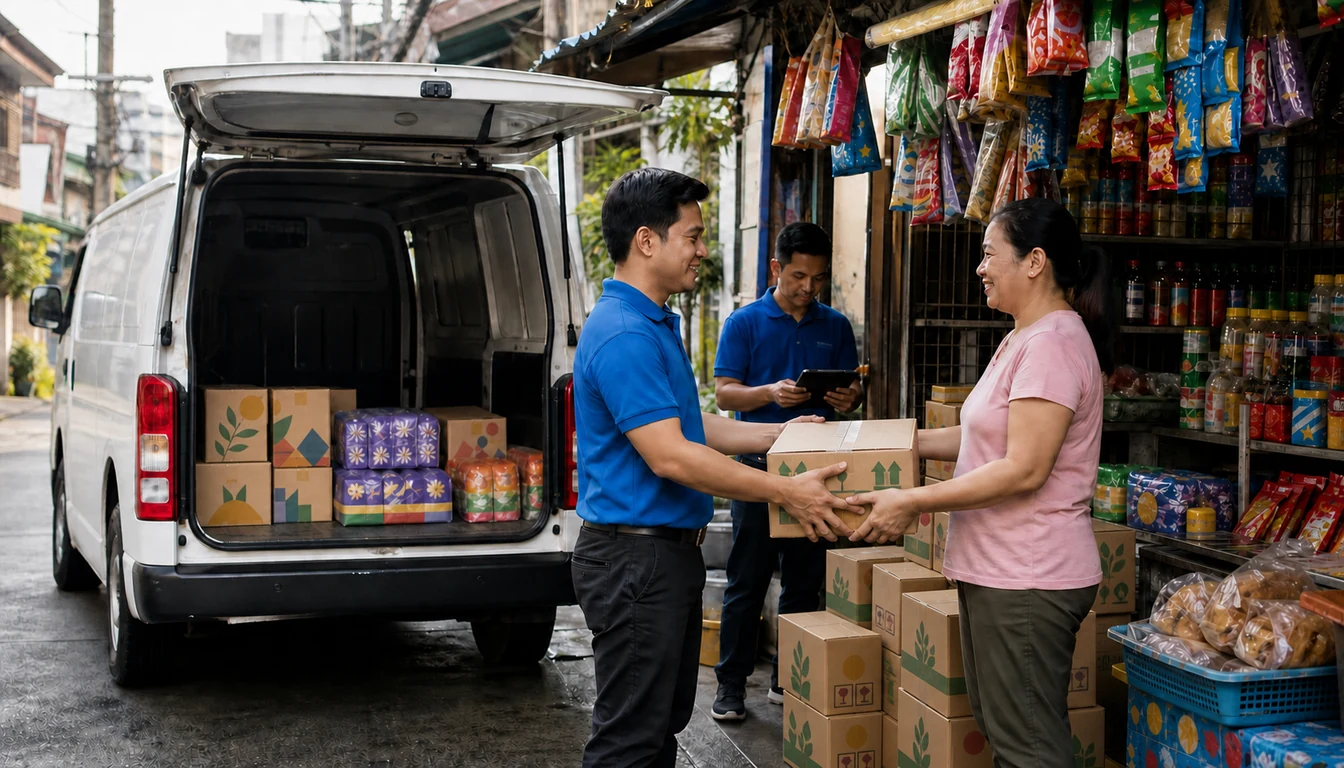
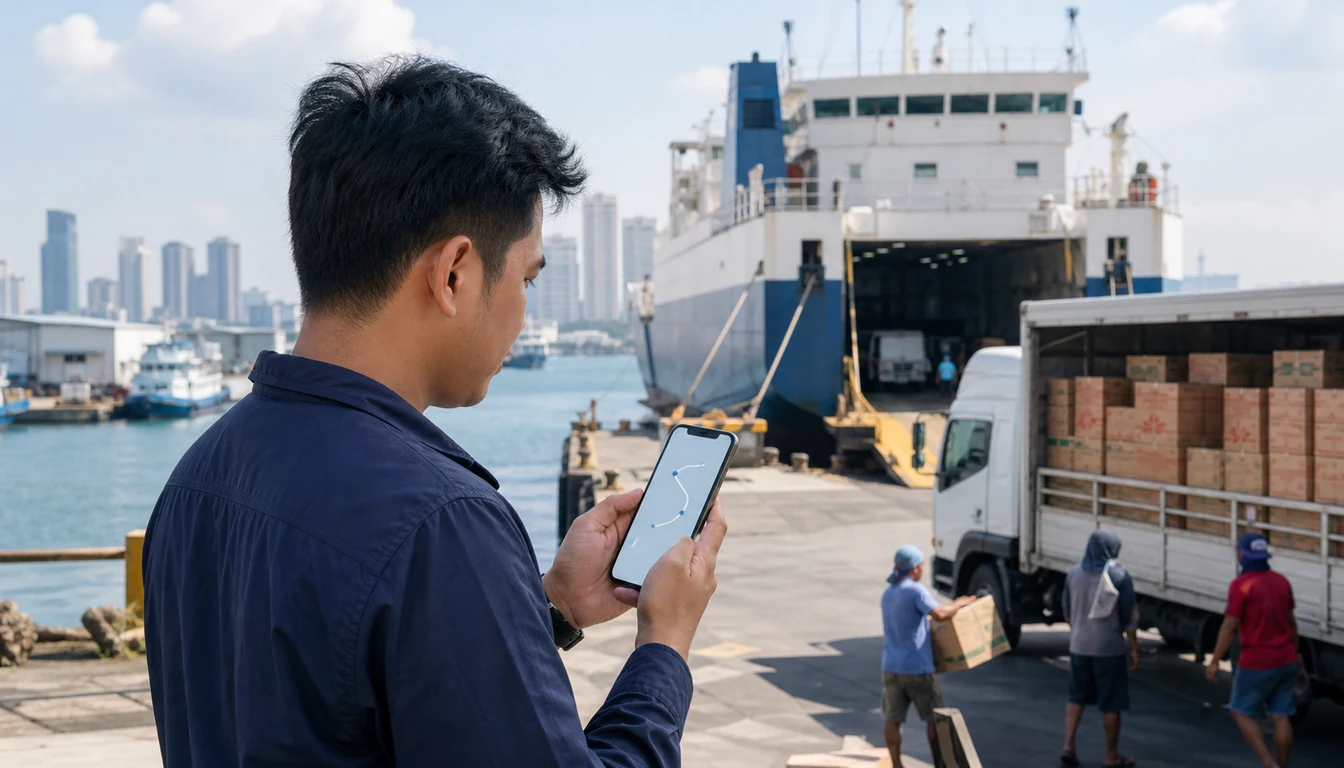
Consignments book through the cloud order queue from a shipper portal, API, or counter. The platform routes by mode, whether that's a road run, a roll-on/roll-off ferry crossing, or an inter-island sea or air leg, and tracks every handover between the originating hub and a receiving depot in Cebu or Davao, flagging a delayed sailing or connection before the next dispatch cycle.
The mobile app keeps working when a typhoon takes down mobile towers or a rural route has no signal. Riders, van crews, and field technicians capture scans, proof of delivery, cash or e-wallet collection, and job status on the handset. Everything syncs the moment a connection returns, with cold-chain readings logged on regulated runs and depot stock kept visible across an inter-island transfer.
Failed-delivery reasons, damage claims with a photo, and return-pickup scheduling close the reverse loop against barangay-level or landmark-based addresses. Contract pricing applies slabs, distance and inter-island bands, and SLA penalties, and partner billing reconciles to GCash, Maya, InstaPay, and bank-transfer settlements in Philippine pesos.
Quick reads on offline-first field work, island-corridor coverage planning, and route models for Philippine hub, last-mile, and field-service teams.
One cloud DMS runs the full Philippine logistics loop, from consignment and asset master setup through hub dispatch to RTO and damage returns, with route rules and settlement that understands cash, bank transfer, and e-wallets.
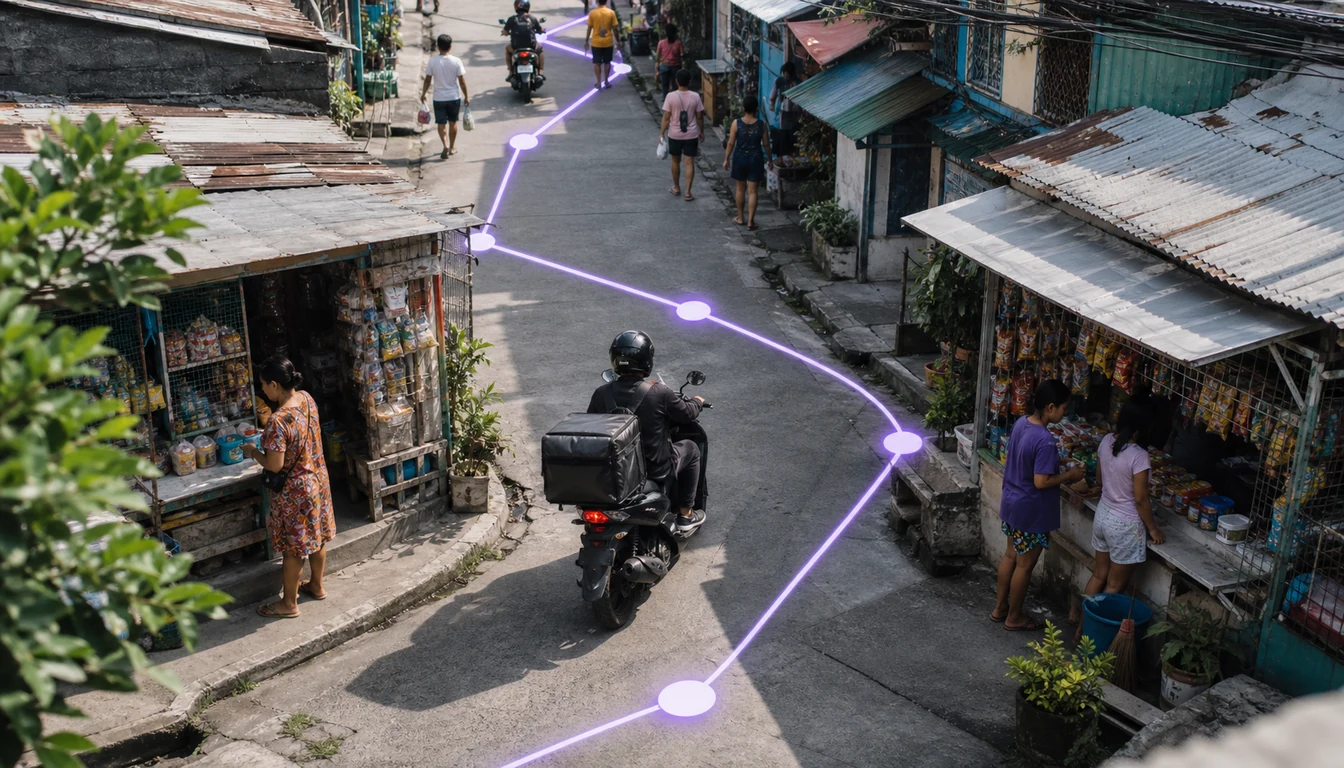
Order automation with mode-based routing, SLA allocation, and manifest consolidation. Consignments flow from a Luzon origin hub to a rider or field crew in Cebu or Davao with no rekeying, and route planning works around traffic, barangay-level streets, and port or ferry schedules.
Depot-wise stock for consignments, technician spare parts, and the return-leg pool. Warehouse covers bin, pick-pack, and inter-depot transfers between island hubs in Luzon, Visayas, and Mindanao. Batch tracking handles pharma and perishable lot traceability on cold-chain runs.
Temperature logging on refrigerated runs, per-category threshold rules, instant breach alerts, and a full audit trail for medicines, vaccines, and frozen goods bound for pharmacies, clinics, and modern-trade cold rooms, including inter-island transfer legs. Records stay structured to support Food and Drug Administration Philippines traceability requests, batch by batch.
GRN against the shipper manifest with hub scan and short-landing capture, RTO and damage returns raising credit notes, and contract billing automation for slabs, inter-island bands, and SLA penalties reconciled to Philippine peso settlement.
Two 1Channel apps run hub, last-mile, and field-service work every day. Both are on Google Play and the App Store and share the cloud backend with the admin portal.
Google Play

Apple App Store

Google Play
Apple App Store
The full cloud DMS for multi-modal dispatch, consignment traceability, cold-chain compliance, and route-based contract pricing.
Explore DMS Platform →Hub booking, SLA routing, mode-based rate automation, and manifest consolidation for parcels, freight, and field-service jobs.
Explore Order Management →Depot-wise stock for consignments and technician spare parts, return-pool tracking, and replenishment alerts across Luzon, Visayas, and Mindanao.
Explore Inventory →Bin tracking, pick-pack, sortation allocation, and inter-depot transfers between origin hub and island-depot warehouses.
Explore Warehouse →Beat and route planning around traffic, port and ferry schedules, and barangay-level streets using GPS for riders, vans, and field technicians.
Explore Route Planning →Offline-first scan-in, scan-out, proof of delivery, manifest acknowledgement, and dispatch updates across the hub and last-mile network.
Explore Mobile DMS →RTO capture, damage claims with photo evidence, return-pickup scheduling, and credit-note automation on barangay-level addresses.
Explore Returns →Hub and depot receipt scans against the shipper manifest, short-landing and exception capture, and reconciliation reporting.
Explore GRN →