Distributor & 3PL Partner Management Cloud Software for Ghana
Cloud DMS built for Ghana's 3PL, haulage and field-service networks: manage depot stock and partner performance, track freight from Tema or Takoradi clearance to the last-mile drop, capture proof of delivery offline on rural and northern routes, and keep freight billing aligned with GRA's E-VAT invoicing requirements.
A Ghanaian logistics and field-service operation runs on three things: dispatch that keeps lead times visible all the way from Tema or Takoradi clearance to the last outlet on the route; field tracking robust enough to keep working when a rural or northern beat drops signal; and a billing model that converts distance, fuel and service performance into a settlement figure across mobile money, bank transfer and cash.
Tema & Takoradi Clearance-to-Depot Dispatch
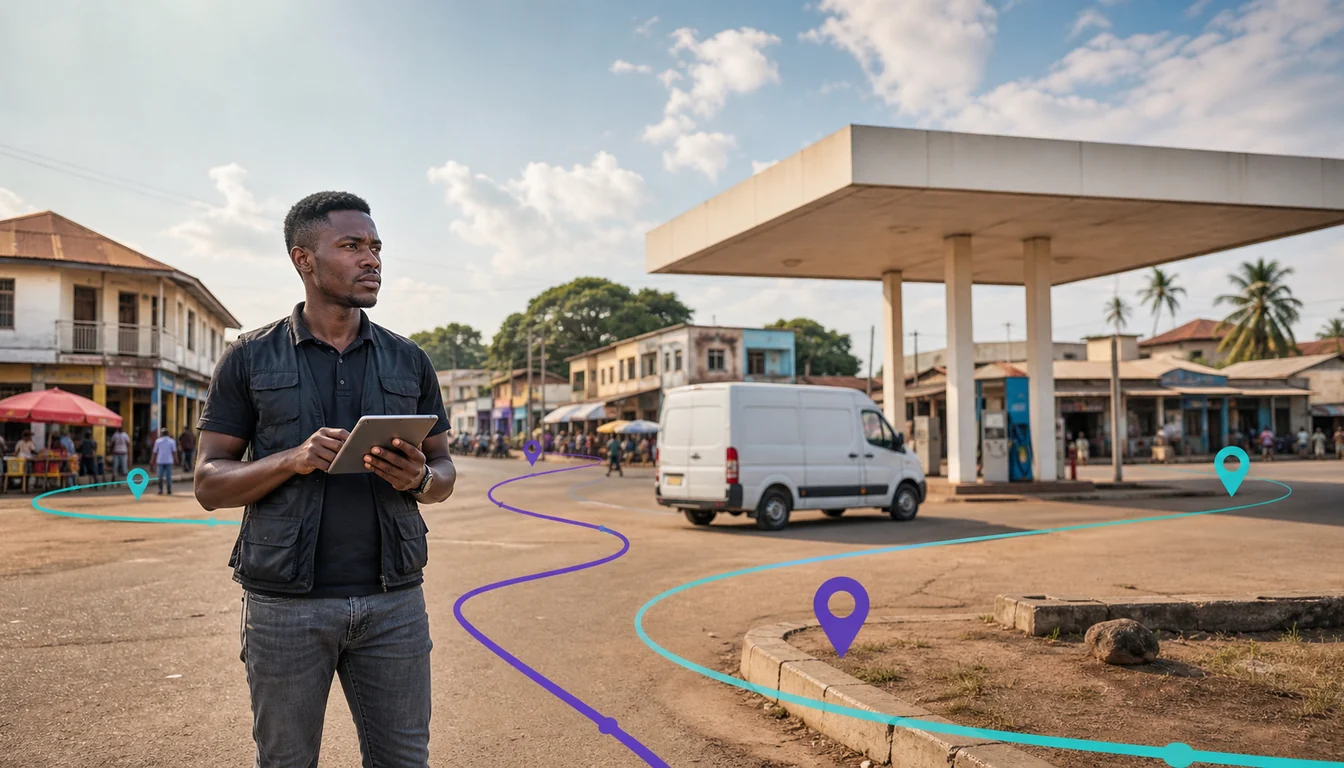
A shipper portal booking, an API call or a counter entry all land in the same cloud order queue. Corridor and depot routing follow automatically, each handover between Tema or Takoradi clearance and a regional depot is logged as it happens, and a slipping lead time is flagged well ahead of the next batch, weighed against real travel time and road conditions on that corridor.
Rider, Van & Field-Engineer Tracking, Offline-First
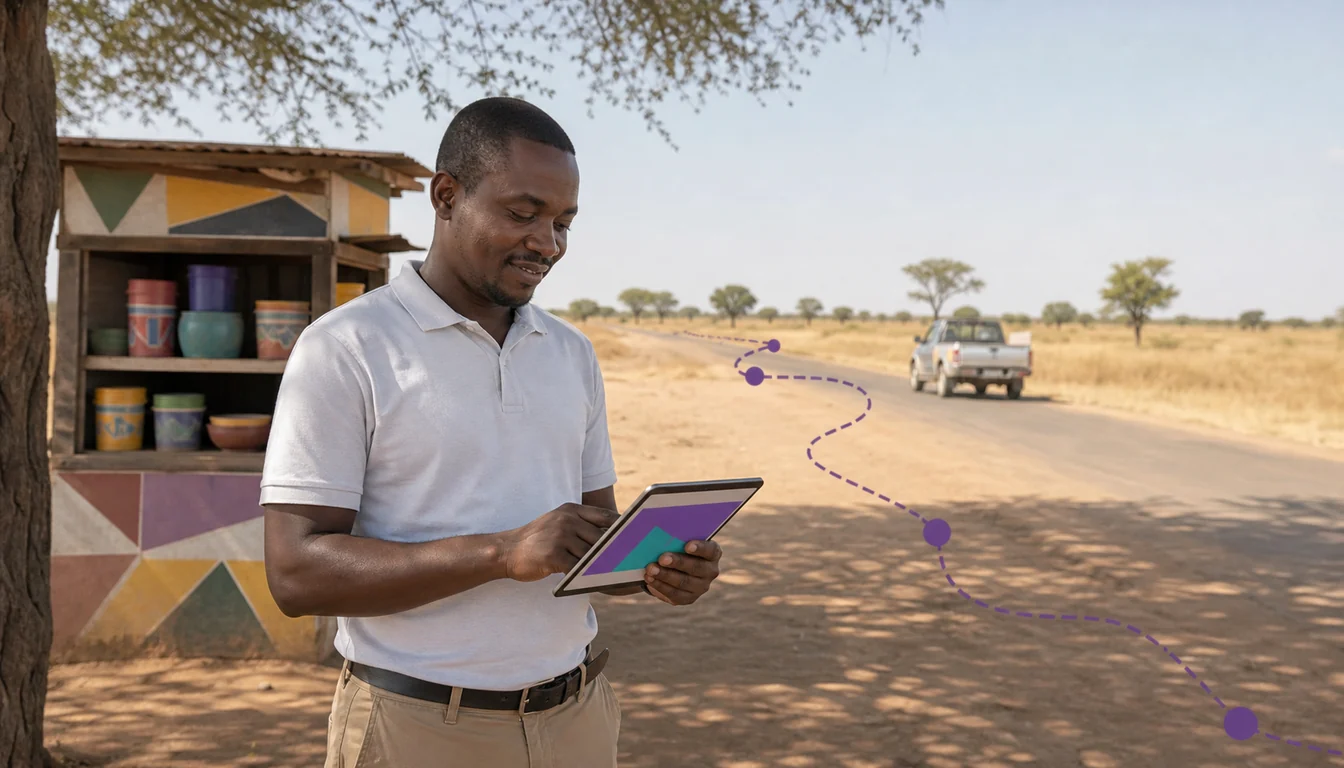
Signal genuinely drops on Savannah, Upper East and other thinly covered routes, and the mobile app is built for that reality. A rider, van crew or field engineer records scans, proof of delivery, mobile money or cash takings, and job status directly on the handset, queued locally until a connection returns. Cold-chain temperature readings and the compliance trail for regulated stock update the moment sync completes.
Partner Billing, Returns & RTO Loop
Closing the loop on a failed drop means a reason code, a photo for any damage claim, and a return pickup slotted onto the next run, useful when the address is landmark-based and GhanaPostGPS adoption hasn't fully caught up yet. Contract pricing works distance bands, fuel adjustments and service-level penalties into every settlement, and partner billing ties out against MTN MoMo, Telecel Cash, AT Money and bank-transfer payouts without a manual check.
Further Reading for Ghana Logistics & Field Teams
Short reads on keeping field teams productive across Ghana's coverage gaps, planning beats against landmarks rather than street addresses, and choosing between van sales and pre-selling for depot and last-mile routes.
Depot Dispatch, Stock Control, Cold-Chain Compliance & Returns in One Platform
One cloud platform carries a Ghanaian logistics or field-service business from setting up the consignment and asset master, through depot dispatch, and out the other side into damage and RTO handling, with routing and settlement rules that treat mobile money, bank transfer and cash as equally normal.
Depot-to-Depot Order & Dispatch
Order automation handles corridor routing, service-level allocation, fuel adjustments, and manifest consolidation without rekeying, carrying a consignment from clearance at Tema or Takoradi to a depot and on to the rider or field crew who closes it out. Route planning accounts for traffic and for addresses that are still landmark-based despite GhanaPostGPS.
Depot Stock, Warehouse & Spare-Parts Visibility
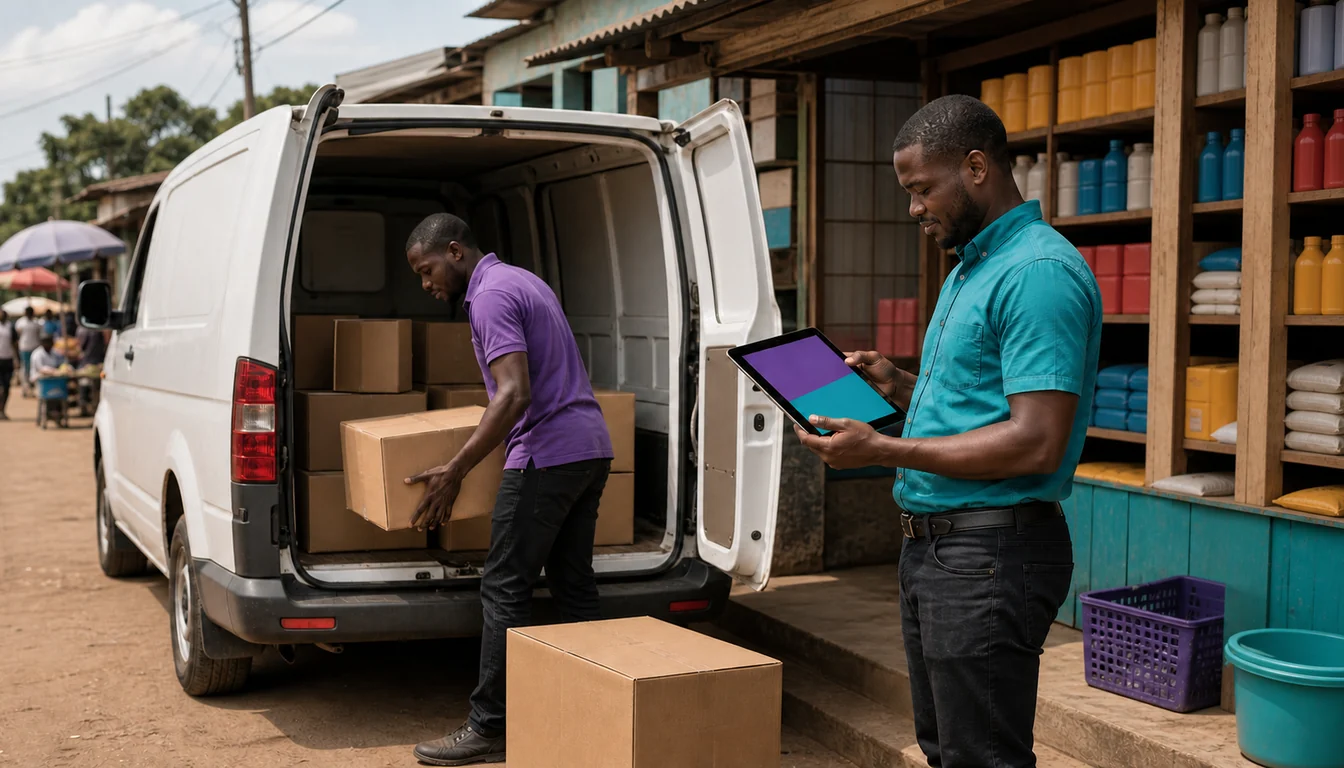
Every depot reports its stock position to one central view, and that includes van-boot spare parts sitting alongside the return-leg pool. Warehouse handles bin allocation, pick-pack and the transfer runs linking Accra, Kumasi and the rest of the depot network. Batch tracking keeps lot-level traceability on pharma and perishable stock moving through temperature-controlled routes.
Cold-Chain & FDA-Aligned Traceability
Refrigerated runs carry per-category threshold rules and temperature logging, with an alert firing the moment a reading breaches its band, so drugs, vaccines, and frozen stock bound for pharmacies, chemical shops, or a modern-trade cold room keep a complete audit trail. Records support Food and Drugs Authority queries batch by batch, straight from the cloud.
GRN, Returns & Partner Billing Automation
Matching what arrives against the shipper manifest catches a short-landed or damaged consignment right at depot receipt, an RTO or damage return generates its credit note without a manual step, and contract billing works distance, fuel and service-level terms into a GHS settlement that reconciles across mobile money and bank transfer alike.
Apps that Run the System
Cloud Apps Running Daily Depot, Delivery & Field Work
Field teams run on two 1Channel apps day to day, both available on Google Play and the App Store, sharing the same cloud backend as the admin portal.
1Channel SFA & DMS
Google Play
1Channel SFA & DMS
Apple App Store
1Channel CRM
Google Play
1Channel CRM
Apple App Store
Explore DMS Modules
DMS Modules for Ghana's Logistics & Field Operations
Bring Depot Dispatch, Field Service, and Partner Billing Onto One DMS
1Channel can walk through a Ghana rollout covering depot-to-depot traceability from the moment goods clear Tema or Takoradi, offline-first proof of delivery on rural beats, FDA-aligned cold-chain records, automated RTO handling, and partner billing that reconciles across MTN MoMo, Telecel Cash, AT Money and bank transfer.
How does the platform track goods from Tema or Takoradi clearance through to the last-mile drop?▼
A shipment that stalls at clearance should show up immediately rather than at month-end. Each stage is logged as it happens: arrival and clearance at Tema or Takoradi, onward movement to a regional depot, and the final handover to a rider, van crew or field engineer. Every stage carries its own lead-time target, so a slow leg is visible against the plan long before the next batch is due to move.
Can field teams keep working when a depot or a route loses network coverage?▼
Yes, and this matters most on the northern and rural beats where signal genuinely drops. The rider and field-engineer app is offline-first: scans, proof of delivery, mobile money or cash collection, and job updates are captured on the device first and queued automatically, then sync the moment a connection returns, so a coverage gap on the way to Tamale or Wa never means lost paperwork.
How is stock visibility maintained across distributor depots?▼
Stock that sits in a depot nobody outside that depot can see is stock a business is effectively guessing about. Every depot carries a live position instead: goods received, goods dispatched, and what remains on the shelf. A head-office user checks any depot without a phone call, and a low-stock or ageing-stock alert fires before it becomes a fulfilment problem.
How does the system support E-VAT invoicing through the GRA's Certified Invoicing System?▼
Every VAT-registered business in Ghana already has to issue invoices through a Certified Invoicing System connected to the Ghana Revenue Authority, so freight and consignment billing is structured to align with that requirement from the order stage rather than patched on afterwards. Order, dispatch and invoice records stay linked end to end, which keeps the audit trail intact when GRA asks for it.
How is 3PL and haulage partner performance measured?▼
A partner contract reviewed only at renewal time hides months of underperformance. Each 3PL, haulage or last-mile partner carries a live scorecard instead: on-time delivery, proof-of-delivery capture rate, damage and RTO incidence, and billing accuracy, all visible to the operations team well before the contract comes up for renewal.
How are partner and depot payments reconciled against mobile money and bank settlements?▼
Ghana's collections mix runs through MTN MoMo, Telecel Cash and AT Money alongside bank transfer and cash, all interoperable through GhIPSS, and a partner payout that doesn't match what actually landed erodes trust fast. Each partner's contract terms, volume and distance bands feed an automatic payout calculation, and settlements across every rail reconcile to the partner ledger without a manual rate-card lookup.
How does the platform handle cold-chain and pharma consignments?▼
A temperature breach that goes unnoticed until delivery can write off an entire load. Refrigerated and temperature-sensitive runs, whether vaccines, medicines or perishable stock, carry threshold bands with sensor readings logged along the route and an automatic alert the moment a reading drifts. Every consignment keeps an audit trail a distributor supplying pharmacies or chemical shops can produce on request, aligned with Food and Drugs Authority requirements for regulated goods.
What happens when a delivery fails or goods are returned or damaged?▼
A failed or damaged delivery that isn't logged the same day usually ends up written off entirely. The app captures the reason immediately, whether the recipient was unavailable, the order was refused, or the goods arrived damaged, with a photo and a GPS pin attached to the record. Approved claims generate a credit note automatically, and a return pickup is scheduled onto the next run covering that depot or route.
Does the DMS connect to the ERP and finance systems we already use?▼
Rekeying dispatch and billing data between systems is where reconciliation errors creep in. REST APIs sync bookings, depot receipts, returns, proof of delivery and invoice records both ways with SAP, Oracle, Microsoft Dynamics, Sage and locally built logistics tools, while mobile money and bank settlement data feeds the finance ledger directly, keeping VAT records ready for GRA review.
What visibility do operations, depot and finance teams each get?▼
A dashboard that shows everything to everyone usually means nobody checks it, so each team sees what it needs to act on. Operations tracks on-time rate, lead times against Tema and Takoradi clearance, and RTO exposure by route. Depot supervisors track receiving accuracy, dispatch throughput and vehicle utilisation. Finance tracks revenue per consignment, partner payout run-rate and collection across mobile money, bank and cash. 1Voice AI answers plain-language questions such as which depot or route is missing its lead-time target this week.